
Hand tremors can affect everyday activities such as writing, eating, typing, or holding objects. For people living with tremors, one of the most common questions is simple but deeply important: Can hand tremors be cured?
Many individuals searching for answers hope to find a permanent cure for hand tremor that eliminates shaking completely. While medical science has made significant progress in understanding tremor disorders, the reality is more complex.
There is no universal cure for tremors, including Essential Tremor and Parkinson’s Disease tremor. However, this does not mean people must simply live with severe symptoms. Tremor research has advanced dramatically over the past decade, and many treatments can significantly reduce tremor intensity and improve daily life.
From medications and surgical procedures to wearable stabilization devices and promising experimental therapies, the field of tremor treatment is evolving rapidly. This guide explores the current scientific understanding of tremors, the latest treatment options, and the most promising breakthroughs currently being studied.
The Short Answer: Can Tremors Be Cured?
When people ask, “Can hand tremors be cured?”, the honest medical answer is that most neurological tremors currently cannot be permanently cured. Instead, treatment focuses on managing symptoms and improving quality of life.
The distinction between a cure and a treatment is important.
A cure means eliminating the underlying cause of a condition so that symptoms never return. For tremor disorders, this would require completely correcting the neurological processes in the brain that cause abnormal movement.
Most existing treatments instead aim to reduce tremor activity, sometimes dramatically, but without permanently removing the underlying condition.
For example:
-
Medications can reduce tremor amplitude
-
Surgical procedures can disrupt tremor signals in the brain
-
Wearable devices can stabilize the hand during daily tasks
These treatments can sometimes make tremors almost unnoticeable, but they do not technically qualify as a permanent cure for hand tremor.
However, researchers remain optimistic. Ongoing studies are investigating new drug targets, gene therapies, and advanced neurostimulation techniques that could potentially lead to a future cure for Essential Tremor and other tremor disorders.
Why Hand Tremors Are Difficult to Cure

To understand why scientists have not yet found a complete cure for tremors, it helps to understand where tremors originate.
Hand tremors are usually caused by abnormal activity in the brain circuits that control movement, particularly regions such as:
-
The cerebellum
-
The thalamus
-
The basal ganglia
These brain structures coordinate muscle movement and maintain smooth motor control. When the signaling between these areas becomes disrupted, rhythmic shaking can occur.
One of the biggest challenges in developing a cure for hand tremor is that tremors are not a single condition. Instead, they represent a group of disorders with different causes.
Common tremor types include:
Essential Tremor
Essential Tremor is the most common movement disorder worldwide. It causes rhythmic shaking during voluntary movements such as writing, eating, or holding objects.
Researchers believe Essential Tremor involves abnormal communication between the cerebellum and other motor regions of the brain.
Parkinsonian Tremor
Parkinson’s Disease tremor results from the loss of dopamine-producing neurons in the brain. The tremor typically appears when the hands are at rest.
Physiologic Tremor
Everyone has a small amount of natural tremor caused by muscle and nerve activity. Factors such as stress, fatigue, caffeine, or anxiety can amplify this normal tremor.
Because these tremor types have different neurological mechanisms, developing a single universal cure for Essential Tremor or other tremor disorders is extremely challenging.
Additionally, many tremor disorders involve complex networks of neurons rather than a single malfunctioning structure, making treatment more complex than targeting a single area.
Current Treatments That Significantly Reduce Tremors
Although a cure for hand tremor does not yet exist, several treatments can significantly reduce tremor symptoms.
For many patients, the combination of medical treatment and lifestyle adjustments can make tremors much easier to manage.
Medications
Medications are often the first-line treatment for tremor disorders, particularly Essential Tremor.
Two of the most commonly prescribed medications are:
Propranolol
Propranolol is a beta-blocker that reduces tremor amplitude by affecting the body's response to adrenaline.
Clinical studies suggest that propranolol can reduce tremor symptoms in approximately 50–60% of patients.
Primidone
Primidone is an anticonvulsant medication originally used to treat seizures. It can also help suppress tremor activity in some individuals.
Doctors sometimes prescribe primidone alone or in combination with propranolol.
While medications can be effective, they do not work for everyone, and some patients experience side effects such as fatigue, dizziness, or low blood pressure.
Invasive Treatments
Deep Brain Stimulation (DBS)
Deep Brain Stimulation is one of the most effective surgical treatments for severe tremors.
During the procedure, surgeons implant electrodes into a region of the brain called the ventral intermediate nucleus (VIM) of the thalamus, which plays a key role in tremor generation.
These electrodes deliver electrical impulses that disrupt abnormal tremor signals.
Clinical studies show that DBS can reduce tremor symptoms in 70–90% of appropriately selected patients.
Although DBS is not considered a cure for tremors, many patients experience life-changing improvements.
Focused Ultrasound
Focused ultrasound (MRgFUS) is a newer, incision-free treatment that targets the same brain region involved in tremor generation.
Using MRI guidance, doctors deliver highly concentrated ultrasound energy to create a small lesion in the thalamus. This disrupts the abnormal neural activity responsible for tremors.
One advantage of focused ultrasound is that it does not require open brain surgery.
Many patients experience an immediate reduction in tremor after the procedure.
However, focused ultrasound currently treats only one side of the brain, meaning it typically improves tremor in only one hand.
Wearable Devices
Another emerging category of tremor treatment involves wearable stabilization technology.
Instead of altering brain activity, these devices stabilize the hand during daily activities.
Examples include tremor-stabilizing gloves or wrist devices designed to reduce shaking during tasks like:
-
Writing
-
Eating
-
Working at a computer
-
Holding objects
Wearable devices do not cure hand tremor, but they can significantly improve daily function without medications or surgery.
Because they are non-invasive and low-risk, wearable stabilization devices are increasingly used as part of a comprehensive tremor management strategy.
Promising Research and Future Treatments
Although a permanent cure for hand tremor has not yet been discovered, research into tremor disorders is advancing quickly. Scientists are exploring several innovative approaches that could transform tremor treatment in the coming years.
Many neurologists believe the next decade may bring major breakthroughs in tremor treatment, especially as neuroscience technology advances.
Below are some of the most promising areas of research.
Gene Therapy
One emerging area of research focuses on gene therapy, which aims to modify or regulate genes associated with neurological disorders.
In Essential Tremor, researchers suspect that certain genetic mutations may affect communication between brain regions that control movement. Scientists are currently investigating whether targeted gene therapies could help correct these faulty signaling pathways.
Although gene therapy for tremor disorders is still in early stages, some researchers believe it could eventually lead to a true cure for Essential Tremor in specific genetic cases.
New Drug Targets
Another promising area involves developing new medications that target the neural circuits responsible for tremors.
Traditional tremor medications like propranolol and primidone were not originally designed to treat tremor disorders. As a result, their effectiveness can vary.
Researchers are now studying drugs that specifically influence brain pathways involved in tremor generation. Several pharmaceutical companies are currently running clinical trials on medications designed to regulate abnormal cerebellar signaling.
If successful, these therapies could represent a significant breakthrough in tremor treatment compared to existing medications.
Advanced Neurostimulation
Deep brain stimulation has already transformed tremor treatment, but scientists are working on even more advanced forms of neurostimulation therapy.
Some experimental technologies being studied include:
-
Adaptive DBS systems that automatically adjust stimulation levels in real time
-
Non-invasive brain stimulation techniques
-
Closed-loop neurostimulation systems that respond to tremor signals
These next-generation systems could improve treatment precision and reduce side effects, bringing patients closer to tremor-free movement.
Ongoing Clinical Trials
Several clinical trials are currently investigating new therapies for tremor.
Some of the most promising studies focus on:
-
New medications targeting cerebellar pathways
-
Next-generation focused ultrasound techniques
-
Improved DBS technologies with adaptive stimulation
Although none of these treatments yet provides a universal cure for hand tremor, they represent important steps toward better management and potentially long-term solutions.
For many researchers, the key goal is not only to reduce tremor symptoms but also to discover whether tremors can be permanently reversed.
What You Can Do Today While Waiting for a Cure
Although many people hope for a future cure for tremors, there are several practical steps individuals can take today to manage symptoms effectively.
For most people, tremor management involves a combination of medical treatment, lifestyle adjustments, and assistive technology.
Lifestyle Strategies
Some tremors are triggered or worsened by lifestyle factors.
Reducing these triggers can sometimes significantly decrease tremor severity.
Helpful strategies include:
-
Limiting caffeine intake
-
Maintaining regular sleep schedules
-
Managing stress levels
-
Eating balanced meals to prevent low blood sugar
-
Staying hydrated
These changes may not cure hand tremor, but they can reduce shaking episodes in many individuals.
Medical Treatment
When tremors interfere with daily activities, a neurologist may recommend medical treatment.
Options may include:
-
Beta-blockers such as propranolol
-
Anticonvulsants such as primidone
-
Botox injections for specific muscle groups
These treatments focus on reducing tremor amplitude and improving movement control.
Combining Treatments for Best Results
In many cases, the most effective strategy is to combine multiple treatments.
For example, a patient may use:
-
Medication to reduce tremor intensity
-
Occupational therapy techniques for daily tasks
-
Assistive devices for specific activities
This multi-layered approach often provides the best improvement in quality of life.
A Practical Solution Available Today: Steadiwear

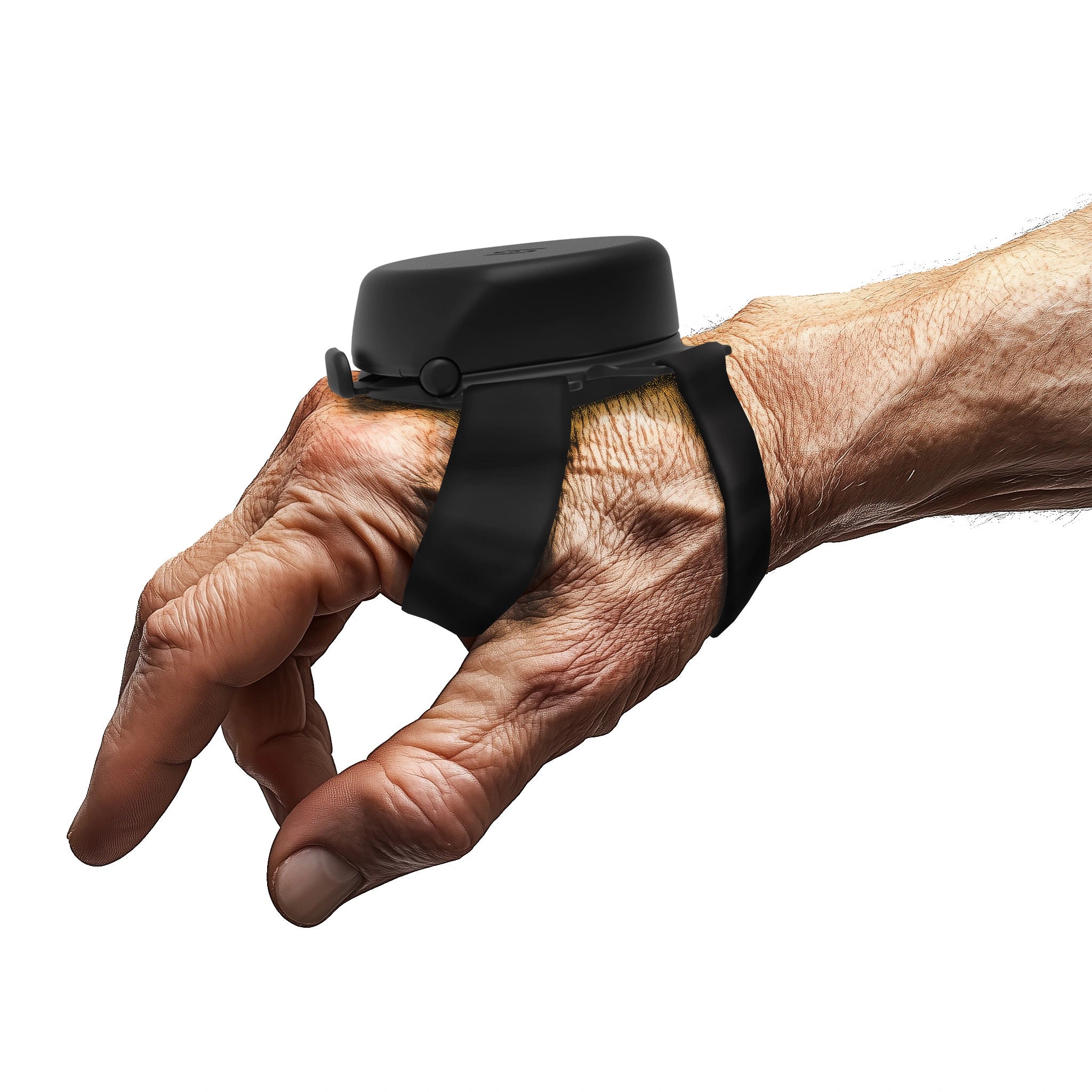
While scientists continue to search for a permanent cure for hand tremor, wearable stabilization technology has emerged as a practical solution for many people living with tremors. The Steadi-3 anti-tremor glove is designed to stabilize hand movement during everyday tasks such as writing, eating, working at a computer, or holding objects. Our glove uses magnetic vibration absorber technology to damp tremor motion while still allowing intentional hand movement.
Unlike electronic tremor devices, our glove is battery-free and lightweight, allowing it to work immediately once worn. Because it operates passively, it does not require charging, calibration, or software. For people still waiting for a cure for Essential Tremor, wearable devices can provide immediate support during activities that require steady hands. Many users incorporate wearable stabilization devices into their broader tremor management plan alongside medication, lifestyle adjustments, or therapy strategies.
Conclusion
So, can hand tremors be cured? The honest answer is that most tremor disorders do not yet have a permanent cure. Conditions such as Essential Tremor and Parkinson’s disease involve complex neurological mechanisms that researchers are still working to fully understand.
However, the absence of a universal cure for hand tremor does not mean people must live with debilitating symptoms.
Modern treatments—including medications, surgical procedures such as deep brain stimulation, focused ultrasound, and wearable stabilization devices—can significantly reduce tremor severity and improve daily functioning.
At the same time, research continues to move forward. Gene therapy, new drug targets, and advanced neurostimulation technologies may eventually lead to breakthroughs in tremor treatment.
Until then, individuals experiencing tremors can take meaningful steps today by working with healthcare professionals, exploring treatment options, and using assistive technologies designed to improve hand stability.
For many people, the goal is not necessarily to eliminate tremors entirely—but to regain confidence, independence, and control over everyday activities.

