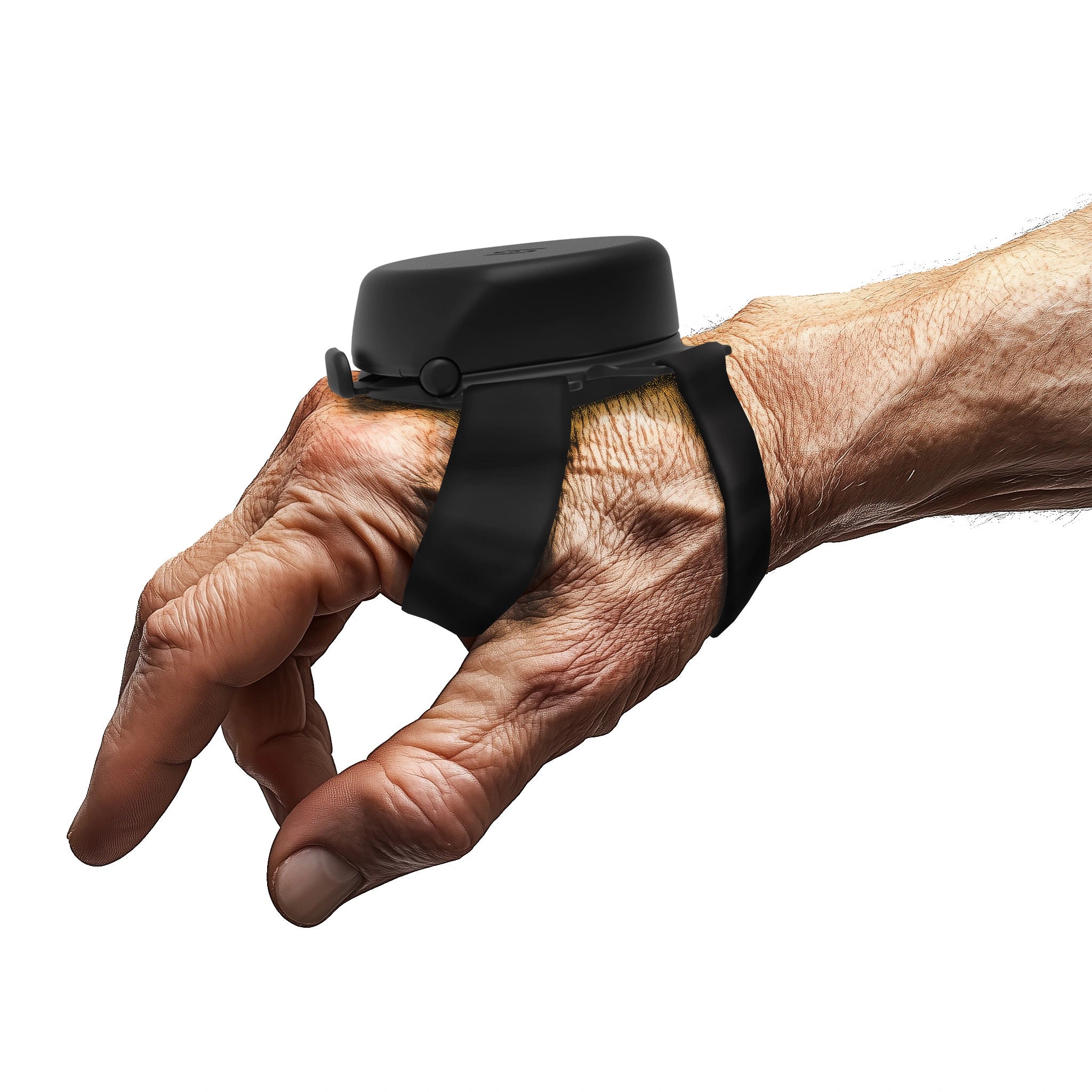
If you or someone you love lives with Essential Tremor, you already know how disruptive hand tremors can be. Simple daily tasks—eating, writing, holding a cup, or using a phone—can become frustrating, exhausting, and unpredictable. Many people search for essential tremor medication hoping for relief, only to discover that the options are complex, imperfect, and highly individual.
In fact, according to clinical guidelines, 25–55% of patients do not respond adequately to first-line medications, and even those who do often experience only partial improvement. That’s an important reality many people aren’t told early on.
This guide explains all current medication for hand tremors, how they work, their benefits, limitations, and when it may be time to consider additional treatment options. We’ll also discuss what happens when medications stop working—and what alternatives exist beyond pills alone.
Whether you’re newly diagnosed, adjusting to treatment, or supporting a loved one, this comprehensive breakdown of essential tremor treatment options is designed to help you make informed, confident decisions in collaboration with your healthcare provider.
First-Line Essential Tremor Medications (AAN Level A)
According to the American Academy of Neurology (AAN), there are two first-line medications with the strongest evidence for treating Essential Tremor.
Propranolol: The Only FDA-Approved Drug for Essential Tremor
Propranolol is a non-selective beta-blocker and remains the only FDA-approved essential tremor medication.
How Propranolol Works
-
Blocks beta-adrenergic receptors
-
Reduces peripheral tremor amplification
-
Especially effective for hand tremors
Common Side Effects
-
Fatigue
-
Low blood pressure
-
Slowed heart rate
-
Cold hands or feet
Who Should Avoid Propranolol
-
Asthma or COPD
-
Certain heart conditions
-
Diabetes with hypoglycemia unawareness
Experience-based insight: Many patients use propranolol situationally—before social events, meals, or public speaking—rather than daily dosing.
Primidone for Essential Tremor
Primidone, an anticonvulsant, is equally effective and often used when propranolol is not tolerated.
How Primidone Works
-
Metabolizes into phenobarbital
-
Enhances inhibitory GABA activity
-
Calms overactive neural circuits
Effectiveness
-
Comparable to propranolol
-
Especially helpful for: older adults and patients with contraindications to beta-blockers
Common Side Effects
-
Drowsiness
-
Nausea
-
Dizziness
-
Cognitive slowing (early phase)
Clinical note: Initial side effects are common but often improve within days to weeks if dosing is increased gradually.
Second-Line Medications for Hand Tremors (AAN Level B & C)
When first-line treatments are ineffective or not tolerated, clinicians consider second-line Essential Tremor treatment options.
Gabapentin for Tremors
Gabapentin is an anticonvulsant commonly used for neuropathic pain and seizures.
Mechanism of Action
-
Modulates calcium channels
-
Reduces neuronal excitability
Side Effects
-
Fatigue
-
Dizziness
-
Weight gain
Expert insight: Gabapentin is often better tolerated than primidone but generally less effective as monotherapy.
Topiramate for Essential Tremor
Topiramate has shown benefit in clinical trials but requires careful monitoring.
Mechanism
-
Enhances GABA
-
Inhibits excitatory neurotransmission
Dosing
-
25–400 mg/day
-
Slow titration required
Benefits
-
Tremor reduction
-
May help comorbid migraine
Side Effects
-
Cognitive slowing (“word-finding difficulty”)
-
Weight loss
-
Tingling sensations
Because of cognitive side effects, it’s often avoided in older adults unless clearly beneficial.
Benzodiazepines (Alprazolam, Clonazepam)
Used selectively for stress-induced tremors.
Pros
-
Short-term tremor reduction
-
Helpful for anxiety-related worsening
Cons
-
Sedation
-
Dependence risk
-
Cognitive impairment
Trustworthiness note: Benzodiazepines are generally not recommended for long-term daily use in Essential Tremor.
Botulinum Toxin (Botox) for Tremor
Botulinum toxin injections are an option for medication-resistant tremors, particularly:
-
Head tremor
-
Voice tremor
-
Severe hand tremor
How It Works
-
Weakens overactive muscles
-
Reduces tremor amplitude
Limitations
-
Temporary effect (3–4 months)
-
Risk of hand weakness
-
Requires specialized expertise
When Essential Tremor Medications Stop Working
Medication response can change over time.
Common Reasons
-
Disease progression
-
Tolerance (≈10% with propranolol after 1 year)
-
Side effect burden
Next Steps
-
Medication combinations
-
Botox injections
-
Referral to movement disorder specialist
-
Evaluation for surgical options
Surgical Options for Medication-Refractory Essential Tremor
For severe cases, surgery may be considered.
Deep Brain Stimulation (DBS)
-
Implantable electrodes
-
Adjustable and reversible
-
Highly effective but invasive
Focused Ultrasound
-
Non-invasive lesioning
-
Permanent
-
Only treats one side
Both options require careful screening and are reserved for advanced cases.
Where Non-Medication Solutions Fit In
Many people assume the only path forward is escalating medication or surgery—but that’s not always true.
Real-World Reality
-
Medications reduce tremor strength, not function
-
Side effects limit daily use
-
Tremors vary throughout the day
This is where non-invasive assistive solutions can play a meaningful role alongside medical care.
When Medication for Hand Tremors Isn't Enough
Medication for hand tremors can meaningfully reduce tremor amplitude, but clinical guidelines acknowledge that even effective Essential Tremor drugs do not fully restore fine motor precision. Tasks like writing, eating, or holding objects steadily often remain difficult even when medication is working as intended. This is why current Essential Tremor treatment options increasingly frame medication and assistive devices as complementary rather than competing approaches. Combining both addresses the functional gap that medication alone cannot close, supporting greater daily independence without requiring changes to an existing medication plan.
A Complementary Option: Steadi-3 Anti-Tremor Glove
For individuals who:
-
Don’t respond fully to medication
-
Experience side effects
-
Want help with daily tasks
…the Steadi-3 anti-tremor glove offers a non-drug alternative designed to improve hand stability during real-world activities.
Steadi-3 is a battery-free, FDA-registered Class I medical device that uses magnetic vibration absorber technology to automatically adapt to tremor intensity. Unlike medications that work systemically, Steadi-3 works mechanically, targeting tremor at the source—the hand.
Key Benefits
-
No medication side effects
-
Instant stability
-
Lightweight and non-invasive
-
Works alongside existing treatments
Common use cases include:
-
Eating and drinking
-
Writing and signing documents
-
Cooking and food preparation
-
Using tools or electronics
“Steadi-3 changed everything for me. It steadies my hand and lets me write again.” — Betty F., Essential Tremor
Steadi-3 does not replace medical care, but for many people, it fills the gap where medication alone falls short—especially during daily activities that matter most.
Final Thoughts: Choosing the Right Essential Tremor Treatment
There is no single “best” essential tremor medication—only the right combination of treatments for your individual needs.
Most people benefit from:
-
Trying first-line medications
-
Adjusting dosing carefully
-
Combining medical and non-medical approaches
-
Working with a neurologist or movement disorder specialist
If medication alone isn’t giving you the function or consistency you need, exploring assistive technologies alongside medical treatment can be a practical, empowering next step.
Always consult your healthcare provider before starting, stopping, or combining treatments—but know that you have more options than medication alone.