If you are living with Essential Tremor or Parkinson's Disease, tremors can interfere with everyday tasks like eating, writing, or using a phone. Many people turn to tremor gloves and other Essential Tremor devices to improve hand control, only to discover that insurance coverage is unclear or denied altogether. This guide explains how to get insurance to cover tremor devices, with clear steps for Medicare, private insurance, and FSA and HSA reimbursement, so you can reduce out-of-pocket costs and make informed decisions about Essential Tremor treatment.
This article is designed for patients, caregivers, and families who are actively researching tremor assistive devices and seeking practical guidance on insurance coverage, appeals, and alternative payment options.
What Are Tremor Devices and Why Do They Cost So Much?
Tremor devices are assistive medical products designed to reduce hand tremors caused by Essential Tremor or Parkinson's Disease. These devices support daily activities by improving hand stability without the need for surgery or medication.
Common assistive devices for tremor include wearable devices such as tremor gloves and transcutaneous electrical nerve stimulation devices, as well as adaptive utensils. Some products use electrical stimulation, while others rely on mechanical energy dissipation to counteract tremor movement.
The out-of-pocket cost for tremor gloves and wearable tremor devices typically ranges from several hundred to several thousand dollars. Electrical stimulation devices are often at the higher end of that range due to clinical validation requirements and prescription-based distribution.
One reason these devices are expensive is the regulatory and development costs. Many tremor devices are FDA-registered or FDA-cleared medical products, which require testing, documentation, and quality controls. Despite meeting medical standards, insurance companies often classify these products as consumer devices rather than medically necessary equipment.
This creates a gap between patients’ medical needs and how insurance companies classify these devices. Patients may benefit from Essential Tremor devices, yet insurers may deny coverage because the device does not fit traditional reimbursement categories.
Types of Tremor Devices and Their Insurance Classification
Insurance coverage depends heavily on how a tremor device is classified. Understanding these categories helps set realistic expectations and guides your next steps.
Transcutaneous Electrical Nerve Stimulation Devices
Transcutaneous electrical nerve stimulation devices use targeted electrical pulses to interrupt tremor signals. These devices are FDA-cleared and require a physician’s prescription. Because they deliver therapy rather than mechanical support, insurers are more likely to evaluate them as durable medical equipment under Medicare Part B.
Coverage varies by insurer. Medicare may cover these devices when medical necessity criteria are met, while commercial insurance plans often require prior authorization and extensive documentation.
Mechanical Tremor Gloves and Dampening Devices
Mechanical tremor gloves and dampening devices reduce tremors through energy dissipation rather than electrical stimulation. Tremor gloves fall into this category and are commonly used by people with Essential Tremor and Parkinson's Disease during daily tasks.
Most tremor gloves are FDA-registered Class I medical devices, meaning they meet safety standards but do not require FDA clearance. This distinction matters for insurance, as FDA registration alone does not guarantee coverage.
Currently, most mechanical tremor gloves are not directly covered by insurance. However, many are eligible for FSA and HSA reimbursement when supported by a letter of medical necessity, making them more accessible through pre-tax health accounts.
Adaptive Utensils and Daily Living Aids
Adaptive utensils such as weighted spoons and stabilizing eating tools are designed to make specific tasks easier. These products are often categorized as convenience or daily living aids.
Insurance companies typically do not cover adaptive utensils as durable medical equipment. Even when recommended by occupational therapists, they are rarely considered medically necessary under insurance guidelines.
Does Medicare Cover Essential Tremor Devices?
Medicare coverage for Essential Tremor devices depends on the type of device and how it is classified. Medicare Part B covers certain durable medical equipment when it is considered medically necessary and prescribed by a physician.
Some electrical stimulation tremor devices may qualify for Medicare Part B coverage when specific Medicare coverage criteria are met, based on documented medical necessity and physician prescription. These criteria often include a documented diagnosis, physician prescription, and confirmation that other Essential Tremor treatment options were ineffective or unsuitable.
Under Original Medicare, patients are typically responsible for 20 percent coinsurance after meeting the Part B deductible. Medicare Advantage plans may offer different coverage rules, copays, or prior authorization requirements.
Veterans may also have access to tremor devices through VA healthcare benefits, depending on eligibility and clinical evaluation.
Mechanical tremor gloves are generally not covered by Medicare as durable medical equipment. However, Medicare beneficiaries may still use FSA or HSA funds if they are enrolled in compatible plans through other coverage.
How to Get Private Insurance to Cover Your Tremor Device

Private insurance plans vary widely, but following a structured process improves your chances of approval.
Step 1: Get a Prescription from Your Doctor
Start by obtaining a formal diagnosis of Essential Tremor or Parkinson's Disease. This diagnosis should be documented using appropriate ICD-10 codes in your medical record.
A prescription from a neurologist or movement disorder specialist carries more weight than one from a general practitioner. Ask your doctor to clearly state how tremors limit daily function and why a tremor device is appropriate for your condition.
Step 2: Request a Letter of Medical Necessity
A letter of medical necessity is often the most important document in the insurance process. This letter explains why the device is required for medical management rather than convenience.
The letter should include your diagnosis, a description of the functional impairment, the treatments you have tried, and a justification for the device. Insurers look for language that connects the device to Essential Tremor treatment goals and daily functioning.
Steadiwear provides guidance and templates to help support this step, especially for FSA and HSA reimbursement scenarios.
Step 3: Verify Your Plan's DME Benefits
Before submitting a claim, contact your insurance provider and ask specific questions. Confirm whether the device is classified as durable medical equipment and whether prior authorization is required.
Ask what documentation is needed, whether the device must be purchased from an in-network supplier, and how claims should be submitted if you pay out of pocket first.
Understanding these details upfront helps avoid unnecessary denials.
Step 4: Submit Your Claim with Supporting Documentation
When submitting your claim, include all required documents. This typically includes the prescription, the medical-necessity letter, the purchase receipt, and the claim form.
If you purchased the device out of pocket, follow your insurer’s reimbursement process carefully. Claim processing timelines can range from a few weeks to several months, depending on the insurer.
Using FSA and HSA Funds to Pay for Tremor Gloves
If insurance coverage is unavailable, FSA and HSA accounts are often the most reliable way to reduce the cost of tremor gloves.
FSA and HSA funds can be used for FDA-registered medical devices when supported by a letter of medical necessity. This applies to many tremor gloves used to treat Essential Tremor and Parkinson's Disease.
The typical process involves purchasing the device, submitting the receipt along with a letter of medical necessity, and receiving reimbursement from your FSA or HSA administrator.
Steadiwear offers resources to support this process, including documentation guidance.
What to Do If Your Insurance Denies Your Tremor Device Claim
Insurance denial does not mean the process is over. Many denials are overturned through appeals.
Common Reasons for Denial
Claims are often denied because the device is not classified as durable medical equipment, documentation is incomplete, or prior authorization was missing. Some insurers label tremor devices as experimental or investigational. Understanding the stated reason for denial is essential before filing an appeal.
How to File an Internal Appeal
Most insurance plans allow 30 to 180 days to file an internal appeal. Include the denial letter, additional medical records, and an updated letter of medical necessity from your physician. You may also request a peer-to-peer review, where your doctor speaks directly with the insurer’s medical director to explain the medical rationale for the device.
Escalating to External Review
If an internal appeal is denied, you may qualify for an external review. This process involves an independent medical reviewer and is regulated at the state level. Your state insurance commissioner’s office can guide you on filing an external review. Patient advocacy organizations may also offer support during this stage.
Alternative Payment Options When Insurance Won't Cover Tremor Devices
When insurance coverage is unavailable, other options may help reduce the financial burden. Many manufacturers offer payment plans that allow monthly installments rather than a single upfront cost. Some plans are available through third-party providers and can spread payments over time.
Some non-profit organizations focused on Essential Tremor or Parkinson's Disease may offer financial assistance or grants for assistive devices, depending on program availability and eligibility requirements. Availability varies by organization and funding cycles.
Manufacturer trial periods and return policies can also reduce risk by allowing you to evaluate whether a device meets your needs. Additionally, medical expenses may be tax-deductible if total costs exceed 7.5 percent of adjusted gross income.
Key Takeaways for Getting Insurance to Cover Your Tremor Device
Start with a documented diagnosis and physician prescription to establish medical necessity. Understand how your device is classified and whether it qualifies as durable medical equipment. If direct insurance coverage is unavailable, FSA and HSA reimbursement can significantly reduce out-of-pocket costs for tremor gloves and other Essential Tremor devices.
Do not assume an insurance denial is final. Appeals supported by proper documentation can succeed. When coverage is not possible, explore payment plans, non-profit assistance, and manufacturer policies to find a workable path forward.
How the Steadi-3 Anti-Tremor Glove Fits Into Insurance and Reimbursement Pathways

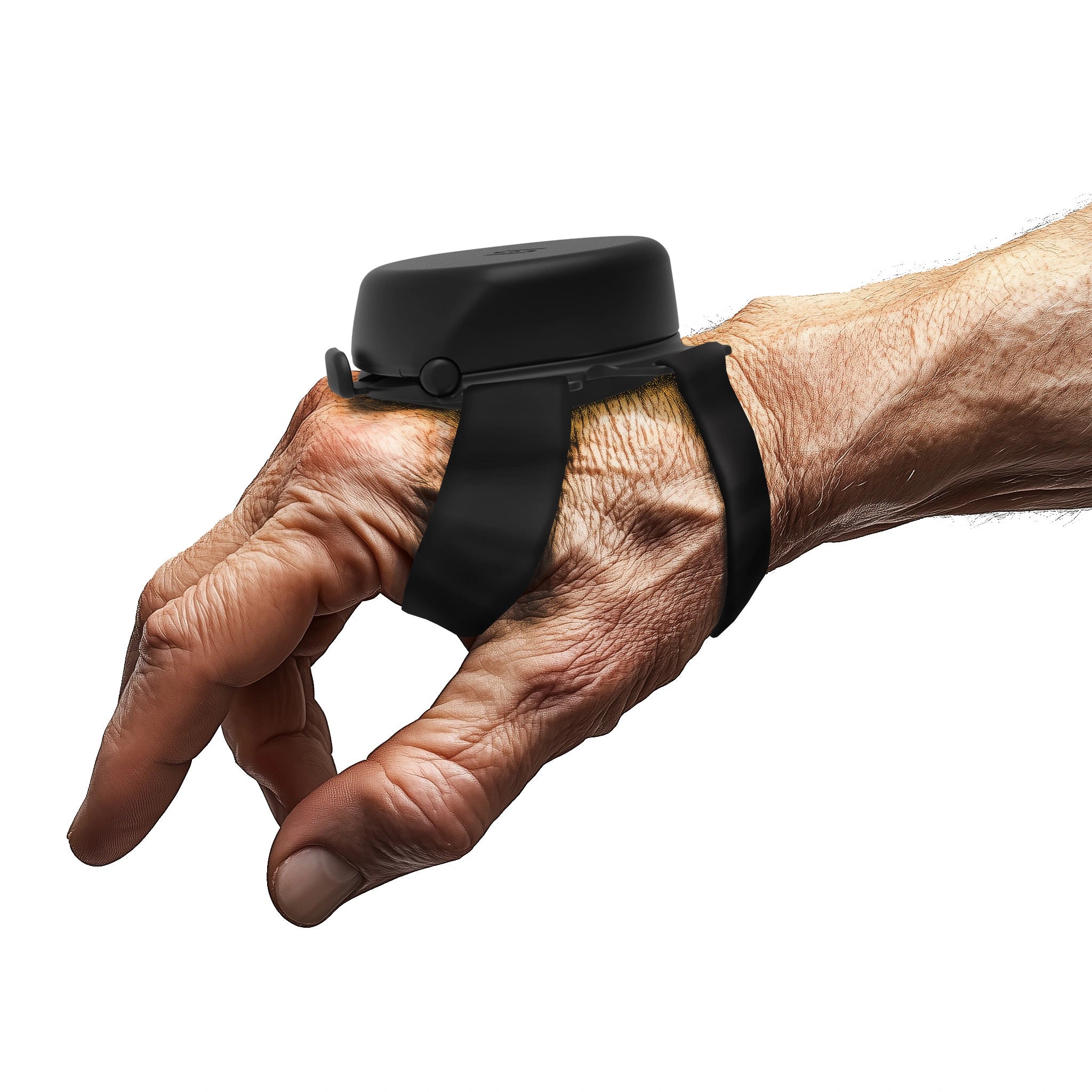
The Steadi-3 anti-tremor glove is a mechanical device designed to reduce hand tremors associated with Essential Tremor and Parkinson's Disease through magnetic vibration-absorber technology. Unlike electrical stimulation devices, the Steadi-3 dissipates tremor energy mechanically, without batteries, software, or electrical signals.
Our glove is an FDA-registered Class I medical device. This classification confirms it meets safety and manufacturing standards, but it also explains why the device is often not covered under traditional insurance plans that focus on durable medical equipment reimbursed through Medicare Part B. Most insurers currently categorize tremor gloves as assistive or wearable tremor devices rather than reimbursable DME.
Despite this limitation, many users successfully offset the cost of our glove through FSA and HSA reimbursement. Because the device is FDA registered and used to support Essential Tremor treatment and daily function, it typically qualifies as an IRS-eligible medical expense when accompanied by a letter of medical necessity from a healthcare provider.
Steadiwear provides clear guidance and documentation support to help patients navigate this process, including a dedicated FSA and HSA eligibility resource. For individuals denied insurance coverage or whose plans exclude tremor assistive devices, this pathway remains one of the most reliable options to reduce out-of-pocket expenses while accessing a clinically informed, non-invasive solution.
Conclusion
Getting insurance to cover tremor devices can be challenging, especially for wearable solutions like tremor gloves that fall outside traditional reimbursement categories. Understanding how devices are classified, preparing strong medical documentation, and exploring multiple payment pathways are essential steps in reducing financial barriers.
For people living with Essential Tremor or Parkinson's Disease, options like FSA and HSA reimbursement, structured appeals, and manufacturer support programs can make clinically informed tremor assistive devices more accessible. By taking a proactive and informed approach, patients and caregivers can navigate coverage limitations and identify the most practical path forward for managing tremors in daily life.