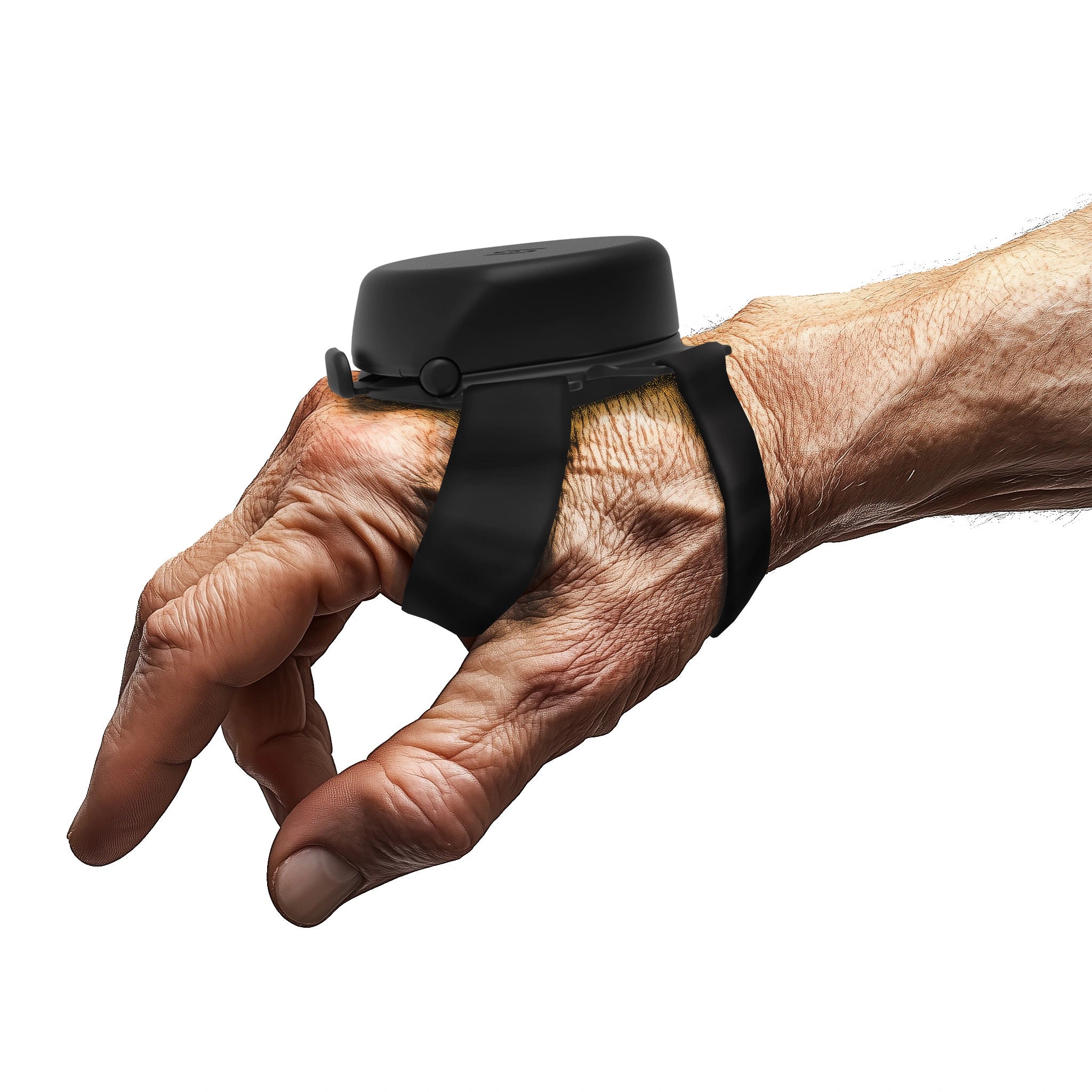
Living with hand tremors often means managing more than symptoms alone. For many people, the financial impact of Essential Tremor treatment becomes a long-term part of daily life. Patients and caregivers frequently compare tremor medication, wearable devices, and surgical options while trying to understand what they will actually pay over time. This guide breaks down the real costs of Essential Tremor treatment so readers can evaluate affordability, risk, and long-term value while living with Essential Tremor.
What Does Essential Tremor Treatment Actually Cost?
Essential Tremor is one of the most common movement disorders, affecting an estimated 7 to 10 million Americans. While symptoms vary, managing Essential Tremor often requires ongoing medical care that extends well beyond an initial diagnosis.
Medicare claims data show that patients with Essential Tremor incur an average of $1,068 per year in additional healthcare costs compared with matched controls. These increases come from specialist visits, prescriptions, diagnostic testing, and follow-up care that accumulate over time.
Total annual healthcare costs for patients with Essential Tremor range widely, depending on treatment approach. Patients who remain untreated average approximately $12,900 per year in total healthcare costs. Those managed with medications or devices experience higher totals, while patients who undergo surgical intervention can reach $29,328 per year.
Direct medical costs related specifically to Essential Tremor account for about 8.1 percent of total healthcare spending, or $1,386 per patient per year. When viewed at the population level, the overall economic burden of Essential Tremor in the United States is estimated between $1.5 and $5.4 billion annually. These figures highlight why understanding Essential Tremor treatment costs is a critical part of care planning.
Tremor Medication Costs: First-Line Pharmacotherapy
For many patients, tremor medication is the first step in Essential Tremor treatment. Pharmacotherapy is widely used due to accessibility and insurance coverage, but it carries ongoing financial and clinical considerations.
The most commonly prescribed first-line medications are propranolol, a beta-blocker class medication, and primidone, an anticonvulsant. These medications are intended to reduce tremor amplitude and improve functional ability, although response varies by patient.
Average pharmacy-related costs for patients using tremor medication reach approximately $3,892 per year. When medication management is included, total healthcare costs increase to about $17,916 per patient per year. Second-line medications such as topiramate, gabapentin, and benzodiazepines are sometimes added, increasing both cost and complexity.
Clinical studies suggest that 50 to 70 percent of patients experience meaningful tremor reduction with medication. However, effectiveness may decline over time, leading to dosage adjustments or additional prescriptions.
Monthly and Annual Medication Expenses
Generic propranolol typically costs between $10 and $30 per month, while primidone averages $15 to $40 per month. These prices may seem manageable in the short term, but they accumulate steadily.
Over five years, medication costs alone can reach several thousand dollars. Over ten years, cumulative expenses rise further, especially when multiple medications are required. Insurance coverage varies by plan, and copays, deductibles, and formulary changes can significantly affect what patients pay out of pocket.
Side Effects That Add to Your Bill
Side effects are a common reason patients discontinue or modify tremor medication. Fatigue, dizziness, and cognitive effects often require additional physician visits and medication adjustments.
As more medications are added, the likelihood of managing comorbid conditions increases. Each additional Essential Tremor medication is associated with higher healthcare utilization, contributing to rising overall costs beyond the pharmacy counter.
Non-Invasive Wearable Devices for Hand Tremor Treatment

Wearable devices have emerged as an alternative hand tremor treatment for patients seeking non-invasive options. These devices aim to reduce tremor without surgery or long-term medication exposure.
Wearable neuromodulation devices use electrical stimulation to alter nerve signaling associated with tremor. Wearable stabilizing devices rely on mechanical or counterweight principles to dampen tremor motion. Both approaches avoid hospitalization, recovery time, and irreversible procedures.
Annual costs for wearable devices are comparable to high-dose first-line pharmacotherapy. However, long-term costs are often lower than surgical options, and side effects are minimal. Budget impact analyses suggest that these devices add little additional cost to healthcare plans compared with escalating medication regimens.
Prescription Wearables vs Non-Prescription Options
Prescription neuromodulation devices such as Cala Trio require a physician's prescription and may involve ongoing replacement or subscription costs. Insurance coverage varies, and some patients face recurring out-of-pocket expenses.
Non-prescription stabilizing gloves from Steadiwear are available as a one-time purchase with no prescription requirement. This single purchase model differs from subscription-based approaches and may appeal to patients seeking predictable costs.
Insurance reimbursement differs between categories, and some patients use HSA or FSA funds to offset device expenses. Understanding these distinctions helps patients compare the total cost of ownership rather than focusing only on the upfront price.
Essential Tremor Surgery Costs: DBS and Focused Ultrasound
Surgical intervention is typically reserved for patients whose Essential Tremor does not respond adequately to medication or devices. Only about 2.7 percent of patients with Essential Tremor undergo surgery, yet it represents the largest driver of increased healthcare costs.
Patients receiving surgical treatment average total healthcare costs of $29,328 per year. These expenses reflect the complexity of neurosurgery, follow-up care, and long-term maintenance.
Deep Brain Stimulation DBS Procedure Costs
Deep brain stimulation involves implanting electrodes in the brain connected to a pulse generator device. The DBS device itself costs approximately $21,500, while the surgical procedure, excluding the device, averages $14,700.
Total DBS surgery costs in the United States range from $35,000 to $100,000. First-year costs, including follow-up care, can reach approximately $47,600. Battery replacement is required every three to five years, adding recurring expenses, along with ongoing programming and adjustment visits.
Focused Ultrasound Tremor Treatment Costs
MR-guided focused ultrasound is a non-invasive surgical alternative that creates a targeted thalamotomy without incisions. Medicare institutional payment for this procedure is approximately $10,000, although out-of-pocket costs vary by insurance plan.
Unlike DBS, focused ultrasound is typically a one-time procedure with no implanted hardware. However, treatment is limited to one side of the body and cannot be adjusted after completion, which may affect long-term outcomes for some patients.
Healthcare Resource Utilization: The Hidden Costs of Living with Essential Tremor
Beyond direct treatment expenses, healthcare resource utilization contributes significantly to the cost of living with Essential Tremor.
Data show that 95 percent of patients have specialist visits, often involving neurologists. Emergency department visits occur in 41.8 percent of patients, and 29.5 percent require inpatient admission at some point.
Psychiatric comorbidities such as depression and anxiety further increase healthcare utilization. On average, patients with Essential Tremor have 5.4 comorbid conditions, and those with eight or more experience the highest healthcare costs.
Comorbidities That Drive Up Treatment Expenses
Depression, anxiety, and stress adjustment disorders are common among patients with Essential Tremor. Elevated rates of substance use disorders have also been reported.
Medical conditions such as chronic obstructive pulmonary disease and liver disease appear more frequently in this population. Each additional comorbidity increases specialist visits, medication use, and overall healthcare spending.
Insurance Coverage and Out-of-Pocket Expenses for Tremor Treatment
Understanding insurance coverage is essential for estimating real-world Essential Tremor treatment costs.
Medicare covers DBS for approved indications, including Parkinson’s Disease, Essential Tremor, and dystonia. Private insurance coverage varies widely depending on plan structure and medical necessity determinations.
Even with insurance, out-of-pocket costs for DBS can range from $7,000 to $14,000, reflecting 10 to 20 percent copays. Coverage for focused ultrasound is still evolving, and reimbursement policies differ by insurer.
Prescription device coverage often requires documentation and prior authorization, while non-prescription devices are typically paid for directly by patients. Some tremor treatment devices qualify for HSA or FSA reimbursement, reducing net cost for eligible users.
Long-Term Cost Projections: What You Will Spend Over 5 to 10 Years
Short-term prices rarely reflect the true cost of Essential Tremor treatment. Long-term projections provide clearer insight into the total financial impact.
Medication-based pathways can cost between $15,000 and $40,000 over five years when pharmacy expenses and side effect management are included. Over ten years, costs increase further as medications are added or adjusted.
Wearable device pathways may involve a one-time purchase or annual expenses, depending on the device model. Surgical pathways typically involve an initial investment of $50,000 to $100,000 or more, followed by ongoing maintenance costs.
Disease progression, medication tolerance, and device durability all influence these projections, making personalized planning essential.
Scenario Comparison: Three Patients, Three Treatment Paths
Patient A has managed Essential Tremor with medication alone for ten years. Costs accumulate steadily through prescriptions, physician visits, and side effect management, resulting in moderate long-term expense with variable symptom control.
Patient B adopts a wearable device approach after a limited medication benefit. Upfront or annual device costs replace escalating pharmacotherapy expenses, offering a more predictable cost profile over time.
Patient C undergoes surgical intervention in year three after medication failure. Initial costs are high, followed by ongoing follow-up and maintenance, creating the highest total expenditure over a decade.
How to Evaluate Cost vs Quality of Life When Choosing Tremor Treatment
Choosing Essential Tremor treatment involves balancing financial cost with functional improvement and daily impact.
Cost per quality-adjusted life year is often used to assess value in healthcare. DBS is cost-effective when symptom improvement is substantial, but it carries higher financial and clinical risk.
Non-invasive options may offer meaningful improvement with lower upfront cost and fewer long-term obligations. Patients should discuss expected benefits, costs, and alternatives with their neurologist.
Important questions include how costs may change over time, what expenses insurance will not cover, and when stepping up treatment may be justified despite higher costs. Reduced caregiver burden, improved work ability, and greater independence often represent important returns that extend beyond direct medical expenses.
A Cost-Conscious Non-Invasive Option for Managing Hand Tremors: Steadi-3

For many people comparing Essential Tremor treatment options, the challenge is finding meaningful symptom support without escalating long-term costs or clinical risk. Steadi-3 was developed specifically to address this gap for patients who want a non-invasive, wearable approach to hand tremor treatment.
Steadi-3 is an FDA-registered Class I medical device that reduces hand tremors using magnetic vibration absorber technology. It is battery-free, lightweight, and designed for daily use during common activities such as eating, writing, and personal care. Because it does not rely on medication or neuromodulation, there are no drug-related side effects and no electrical stimulation.
From a cost perspective, Steadi-3 is positioned differently from many other Essential Tremor treatment pathways. It is available as a one-time purchase rather than an ongoing prescription or subscription model. This allows patients and caregivers to better predict total cost over time, especially when compared with years of tremor medication adjustments or the cumulative expenses associated with surgical care.
Steadi-3 does not require surgery, hospitalization, or recovery time, and it can be used alongside other treatments under the guidance of a healthcare provider. For patients evaluating hand tremor treatment based on affordability, safety, and long-term financial impact, Steadi-3 represents a lower-risk option that avoids many of the hidden costs associated with medication escalation or invasive procedures.
As with all Essential Tremor treatments, patients are encouraged to discuss Steadi-3 with their neurologist or healthcare provider to determine whether it fits their individual symptoms, daily needs, and overall care plan.
Conclusion
The cost of living with Essential Tremor is shaped by more than a single treatment decision. Medications, wearable devices, and surgical interventions each carry distinct financial implications that unfold over years, not months. Understanding total healthcare costs, insurance coverage, out-of-pocket expenses, and long-term maintenance is essential for making informed choices.
There is no one-size-fits-all solution for Essential Tremor treatment. Some patients prioritize symptom reduction despite higher costs, while others seek non-invasive options with lower financial and clinical risk. Evaluating treatment pathways through both a cost and quality of life lens helps patients and caregivers align care decisions with personal goals, daily needs, and long-term sustainability.
By approaching Essential Tremor treatment as a long-term investment rather than a short-term fix, patients are better positioned to have productive discussions with healthcare providers and choose options that balance affordability, safety, and meaningful functional support over time.