Shaky hands are often associated with aging, but tremors can also affect younger adults. However, tremors can affect people in their 20s or 30s as well. If you notice shaky hands in young adults during activities like holding a cup, typing, or writing, it can understandably feel unsettling. Many young adults worry that tremors could signal a serious neurological condition.
The reality is that shaky hands in young adults and hand tremors in people in their 20s or 30s are more common than many people realize. In many cases, shaking hands is temporary and linked to lifestyle factors such as stress, caffeine intake, or fatigue. In other cases, tremors may be related to medical conditions like Essential Tremor or thyroid disorders.
Understanding the possible causes of shaky hands can help you determine whether the symptoms are temporary or warrant discussion with a healthcare professional. This guide explains the most common causes of tremors in young adults, when shaking is normal, and when it may be time to seek medical advice.
Is It Normal for Young Adults to Have Shaky Hands?
Occasional shaky hands in young adults are surprisingly common, even among otherwise healthy individuals in their 20s and 30s. The human body naturally produces a small amount of movement known as physiologic tremor. Under certain conditions, this normal tremor becomes more noticeable.
Factors that can temporarily increase physiologic tremor include:
-
Stress or anxiety
-
Caffeine consumption
-
Fatigue or lack of sleep
-
Low blood sugar
-
Physical exertion
For example, many people notice their hands shaking slightly after drinking several cups of coffee or pulling an all-nighter. This type of shaking usually resolves once the underlying trigger is removed.
Research suggests that millions of adults experience tremor symptoms, though many cases go undiagnosed because they are mild. Essential Tremor alone affects an estimated 7–10 million people in the United States, and symptoms can begin at almost any age.
For people experiencing shaky hands, the key question is whether the tremor is temporary or persistent.
Temporary tremors typically:
-
Appear during stressful or stimulating situations
-
Improve with rest, food, or hydration
-
Occur only occasionally
Chronic tremors, on the other hand, may:
-
Occur frequently or daily
-
Appear during routine tasks like writing or holding objects
-
Gradually worsens over time
If shaking becomes persistent or begins interfering with daily activities, it may be worth exploring potential medical causes.
9 Common Causes of Shaky Hands in Young Adults

Many factors can cause shaky hands in young adults, especially those in their 20s or 30s. Some are related to lifestyle habits, while others may involve underlying health conditions.
1. Essential Tremor
Essential Tremor (ET) is one of the most common neurological causes of hand shaking.
Although it is often associated with older adults, Essential Tremor can begin much earlier in life. Many people first notice symptoms in their teens, 20s, or 30s.
Key characteristics include:
-
Tremor during movement or activity
-
Shaking when holding objects or writing
-
Tremor that improves when the hands are at rest
Essential Tremor often runs in families, suggesting a genetic component.
2. Caffeine and Stimulants
Caffeine is a powerful stimulant that affects the nervous system. Large amounts can increase muscle activity and make physiologic tremors more noticeable.
Common sources include:
-
Coffee
-
Energy drinks
-
Pre-workout supplements
-
Certain medications
Young adults who rely heavily on caffeine for productivity or studying may notice their hands shaking more after high intake.
Reducing caffeine often resolves this type of tremor.
3. Anxiety and Stress
Anxiety is one of the most frequent causes of shaking hands in young adults.
When the body experiences stress, the sympathetic nervous system releases adrenaline. This activates the “fight or flight” response and can lead to symptoms such as:
-
Trembling hands
-
Rapid heartbeat
-
Muscle tension
-
Sweating
Situations like public speaking, job interviews, or social pressure can trigger temporary tremors.
4. Sleep Deprivation
Many cases of shaky hands in young adults are linked to lifestyle habits, and sleep deprivation is one commonly underestimated factor affecting neurological function.
Sleep deprivation can increase nervous system activity and reduce motor control, which may result in noticeable hand shaking.
Students, shift workers, and professionals working long hours are particularly susceptible.
5. Low Blood Sugar
When blood sugar levels drop, the body releases hormones to restore glucose balance. These hormones can cause symptoms such as:
-
Trembling
-
Weakness
-
Sweating
-
Dizziness
Young adults who skip meals or follow restrictive diets may experience tremors related to hypoglycemia.
6. Medication Side Effects
Certain medications can cause tremors as a side effect.
Examples include:
-
ADHD stimulants
-
Asthma inhalers
-
Some antidepressants
-
Thyroid medications
If tremor symptoms begin after starting a new medication, it may be worth discussing with a healthcare provider.
7. Alcohol Withdrawal
Alcohol can temporarily suppress tremors in some people. When alcohol leaves the system, the nervous system may become overactive, leading to shaking.
This effect is sometimes seen in individuals who drink regularly and then suddenly reduce or stop alcohol intake.
8. Thyroid Disorders
An overactive thyroid (hyperthyroidism) can increase metabolism and nervous system activity.
Common symptoms include:
-
Tremors
-
Weight loss
-
Rapid heartbeat
-
Anxiety
-
Heat intolerance
Thyroid-related tremors often improve once hormone levels are treated and stabilized.
9. Neurological Conditions
Although rare in young adults, certain neurological conditions may cause tremors.
Examples include:
-
Parkinson's Disease (very uncommon in young adults)
-
Multiple sclerosis
-
Wilson’s disease
These conditions typically involve additional neurological symptoms, such as muscle stiffness, coordination problems, or changes in speech.
If tremors appear alongside other unusual symptoms, medical evaluation is important.
Essential Tremor in Young Adults: What You Need to Know
Essential Tremor is often misunderstood because many people believe it only affects older adults. In reality, symptoms can begin much earlier.
Many individuals with Essential Tremor notice their first symptoms in:
-
Late teens
-
Early adulthood
-
Their 20s or 30s
The condition is thought to involve abnormal signaling in brain regions that control movement.
One important characteristic of Essential Tremor is that it often runs in families. Researchers estimate that about 50% of cases have a genetic component.
Symptoms may include:
-
Shaking during activities like writing or eating
-
Tremor in one or both hands
-
Gradual progression over many years
Unlike Parkinson’s tremor, Essential Tremor usually appears during action rather than at rest.
For many people, symptoms remain mild for years. However, tremors may become more noticeable during tasks that require precision.
When to See a Doctor About Your Shaky Hands
Occasional shaking caused by stress, caffeine, or fatigue usually isn't a medical emergency. However, persistent tremors should not be ignored, especially if they begin interfering with daily tasks.
You should consider seeing a doctor if:
-
Tremors appear suddenly without an obvious trigger
-
The shaking worsens over time
-
Tremors begin affecting writing, eating, or holding objects
-
The shaking occurs even when you are resting
-
Tremors appear alongside other neurological symptoms
Red Flag Symptoms
Certain symptoms may indicate the need for a prompt medical evaluation:
-
Muscle stiffness
-
Slowed movement
-
Difficulty walking or maintaining balance
-
Speech changes
-
Weakness or numbness
These symptoms do not necessarily indicate a serious neurological condition, but they should be evaluated by a healthcare professional.
What to Expect at Your Appointment
If you visit a doctor for tremors, the evaluation will typically begin with a medical history and physical examination.
Your doctor may ask questions such as:
-
When did the tremor first appear?
-
Does it occur at rest or during activity?
-
Does caffeine or stress make it worse?
-
Does anyone in your family have tremors?
They may also perform simple movement tests, such as asking you to hold your arms out, write a sentence, or touch your finger to your nose.
Tests Your Doctor May Order
In some cases, additional tests may be used to rule out underlying conditions.
These might include:
-
Blood tests to check thyroid function or blood sugar levels
-
Neurological exams to evaluate movement and coordination
-
Imaging scans, such as MRI, if neurological disorders are suspected
For many young adults, these evaluations help confirm that the tremor is benign or related to Essential Tremor.
Treatment Options for Young Adults with Tremors
Treatment for shaky hands in young adults depends on the underlying cause and the extent to which the tremor affects daily life.
For some people, tremors are mild and require little or no medical treatment. For others, symptoms may interfere with work, social interactions, or daily activities.
Lifestyle Modifications
In many cases, simple lifestyle changes can significantly reduce tremor symptoms.
Common strategies include:
-
Reducing caffeine intake
-
Improving sleep habits
-
Managing stress levels
-
Eating regular meals to prevent low blood sugar
-
Staying hydrated
Because young adults often juggle work, school, and social commitments, these lifestyle factors can play a major role in the intensity of tremor.
Medications
If tremors become disruptive, doctors may prescribe medications.
Two commonly used treatments for Essential Tremor include:
Beta-blockers (propranolol)
These medications reduce tremor amplitude by modulating nerve signals associated with the body's stress response.
Anticonvulsants (primidone)
Originally developed for seizures, these medications can also reduce tremor activity in some patients.
Medication effectiveness varies, and doctors carefully consider potential side effects before prescribing treatment.
Assistive and Wearable Devices
In recent years, assistive technology has become another option for tremor management.
Devices designed specifically for tremor stabilization can help improve control during activities such as:
-
Writing
-
Eating
-
Working on a computer
-
Holding objects
These technologies are typically used alongside medical treatment rather than replacing it.
For young professionals or students, discreet wearable solutions may be particularly helpful in situations where steady hand movement is important.
Living with Tremors as a Young Adult
Experiencing tremors at a young age can sometimes create emotional or social challenges. Many young adults worry about how shaking hands may affect their confidence, career opportunities, or interactions with others.
The good news is that many people with tremors lead active and successful lives.
Career Considerations
Most professions are fully compatible with mild to moderate tremors. In fact, many professionals with Essential Tremor work successfully in fields such as:
-
Technology
-
Finance
-
Education
-
Healthcare
-
Creative industries
When tremors affect fine motor tasks, adaptive tools and assistive devices can help improve control during work activities.
Social Situations
Social environments may occasionally make tremors feel more noticeable, particularly during activities such as:
-
Holding drinks
-
Eating at restaurants
-
Giving presentations
Planning small adjustments—like using cups with handles or resting the arm on a surface—can help reduce visible shaking.
Support Resources
Connecting with others who experience tremors can also be helpful. Support communities, patient organizations, and educational resources that provide guidance for managing symptoms and navigating daily life.
Learning more about tremors often helps reduce the anxiety associated with unexplained symptoms.
A Discreet Solution for Young Professionals: Steadiwear

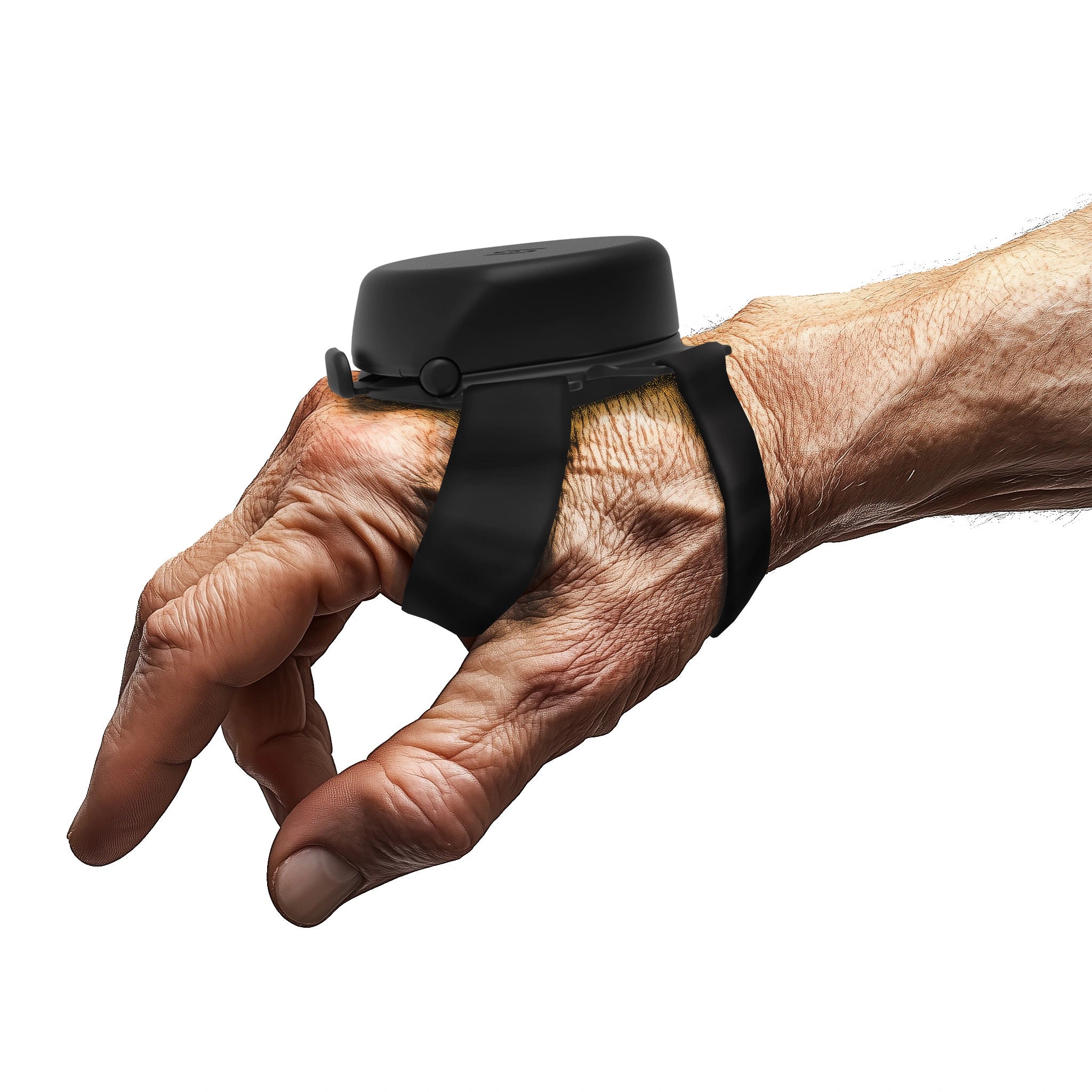
For people experiencing shaky hands in young adults that interfere with daily tasks, wearable stabilization technology is becoming an increasingly popular option. One example is the Steadi-3 anti-tremor glove developed by Steadiwear. Our device is designed to help stabilize hand movement during activities such as writing, eating, or working. It uses magnetic vibration absorber technology to dampen tremor movement while still allowing intentional hand motion.
Unlike electronic tremor devices, our glove is battery-free and lightweight, allowing it to work immediately once worn. Because of its compact and discreet design, some young professionals choose wearable stabilization devices to help maintain control during important activities such as meetings, presentations, or desk work.
Conclusion
Shaky hands in young adults can be concerning, but in many cases, the cause is temporary and linked to lifestyle factors such as stress, caffeine, or sleep deprivation. Even when tremors are linked to medical conditions like Essential Tremor, a variety of treatment options can help manage symptoms effectively. Lifestyle adjustments, medications, occupational therapy strategies, and assistive technology all play a role in tremor management.
The most important step is understanding what may be causing the tremor. If shaking becomes persistent or begins interfering with daily activities, consulting a healthcare professional can help determine the underlying cause and guide appropriate treatment.
With the right information and support, many young adults successfully manage tremors while maintaining active careers, social lives, and independence.