Caring for a loved one with Essential Tremor often means taking on more than day-to-day support. Many family caregivers also become the primary navigator of treatment decisions, insurance paperwork, and mounting healthcare costs. Paying for tremor treatment can feel overwhelming, especially when options range from long-term medications to surgical procedures and assistive devices.
This caregiver's guide to paying for tremor treatment is designed to help you understand the real financial landscape, compare treatment costs, and identify insurance coverage and caregiver assistance programs that may ease the burden. Whether you are supporting a parent, spouse, or another family member, this resource focuses on practical steps and caregiver support to help you make informed decisions.
Understanding the Financial Burden of Tremor Care
Essential Tremor affects an estimated seven to ten million Americans, with most individuals diagnosed later in life. As symptoms progress, many patients rely heavily on a caregiver to manage healthcare decisions, daily tasks, and financial responsibilities.
For a family caregiver, healthcare costs often extend far beyond doctor visits. Studies show that caregivers of Essential Tremor patients spend an average of seven thousand two hundred dollars per year out of pocket on care-related expenses. These costs may include medications, transportation to appointments, adaptive equipment, and uncovered services.
Patients with Essential Tremor incur approximately one thousand sixty-eight dollars more per year in healthcare costs than matched individuals without tremor. Annual treatment costs vary significantly depending on disease severity and chosen therapies. Estimates range from twelve thousand nine hundred dollars per year for untreated tremor to more than twenty-nine thousand dollars annually for patients undergoing surgical intervention.
As tremor symptoms worsen, out-of-pocket expenses typically increase. This financial strain is common. More than thirty-four million Americans provide unpaid care for adults over fifty, and many face similar challenges managing long-term healthcare costs.
Treatment Options and Their Costs
Understanding the cost of tremor treatment options can help caregivers plan both short term and long term expenses. Most tremor treatment pathways fall into three categories: medication, surgery, and assistive devices. Many patients progress through more than one option over time.
Medication is often the first approach, while surgery is reserved for medication-refractory tremor. Assistive devices provide a non-invasive option that can be used at any stage of the condition.
Medication Costs for Tremor Management
First-line medications for Essential Tremor typically include propranolol and primidone. These drugs are widely prescribed and available in generic forms.
Generic propranolol generally costs between ten and thirty dollars per month. Primidone costs range from fifteen to forty dollars per month. While these medication prices may appear manageable, caregivers should also consider associated costs such as neurologist visits, ongoing monitoring, and managing side effects.
On average, pharmacy expenses for Essential Tremor patients reach approximately three thousand eight hundred ninety-two dollars per year when combined with other prescribed medications. Medicare Part D covers prescription medications, though copays vary based on the plan’s formulary and coverage phase.
Surgical Intervention Costs
Surgical treatment is typically considered for patients whose tremor does not respond adequately to medication. Deep brain stimulation cost estimates range from thirty-five thousand to one hundred thousand dollars. This total includes the implanted device, surgery, hospital stay, and postoperative programming.
Deep brain stimulation also involves ongoing expenses. Battery replacement every three to five years adds additional long-term costs that caregivers must plan for.
Focused ultrasound is another surgical option for medication refractory Essential Tremor. Total costs generally range from twenty thousand to forty thousand dollars, depending on insurance coverage. Medicare has established a focused ultrasound payment of approximately ten thousand dollars, with private insurance reimbursement varying by plan.
Despite these options, only about two point seven percent of Essential Tremor patients undergo surgical intervention, largely due to cost, eligibility requirements, and perceived risk.
Assistive Device Costs
Assistive devices such as tremor-stabilizing gloves and adaptive utensils offer a non-invasive alternative for managing daily activities. These devices are typically purchased as a one-time expense rather than an ongoing monthly cost.
For many caregivers, assistive devices present a lower financial risk compared to surgery and long-term medication use. They offer immediate functional benefit, require no recovery time, and do not involve hospitalization. Devices can also be used alongside other treatments as symptoms change.
Insurance Coverage for Tremor Treatment
Insurance coverage plays a major role in determining out-of-pocket costs for tremor treatment. Understanding what Medicare and private insurance will and will not cover is essential for caregivers managing budgets and expectations.
Medicare Part A covers inpatient hospital stays, including those associated with deep-brain stimulation surgery. Medicare Part B covers outpatient procedures such as focused ultrasound for medication refractory Essential Tremor in all fifty states.
Medicare Part D covers prescription medications, including propranolol and primidone, though copays depend on the individual drug plan. Many private insurers, including large national carriers, also cover focused ultrasound with prior authorization.
Documentation is critical. Insurance approval often requires detailed medical records and, in some cases, a Letter of Medical Necessity from a physician.
Medicare Coverage for Essential Tremor
Medicare coverage is divided into parts, each addressing different aspects of care. Part A covers hospital admissions related to surgical procedures. Part B covers outpatient services, including focused ultrasound treatment when criteria are met.
Medicare Part D plans determine medication copays based on formularies and tier placement. Caregivers should review plan details annually, as coverage can change.
Some Medicare Advantage plans offer additional benefits such as transportation assistance or limited over-the-counter allowances, which may indirectly reduce caregiver expenses.
Navigating Private Insurance
Private insurance coverage for tremor treatment varies significantly between plans. Surgical procedures often require pre-authorization, and approval is not guaranteed on the first submission.
If coverage is denied, caregivers can appeal the decision. Keeping detailed records of all communications, bills, and medical documentation improves the likelihood of a successful appeal. Persistence and organization are key when navigating private insurance systems.
Medicare Durable Medical Equipment Coverage
Medicare durable medical equipment coverage may help offset the cost of certain assistive devices. Durable medical equipment, or DME, includes items prescribed by a physician for use in the home to manage a medical condition.
Traditional examples include wheelchairs, walkers, and hospital beds. Medicare covers DME when it is medically necessary and ordered by a qualified healthcare provider.
Tremor stabilizing devices may qualify for coverage with proper documentation, though approval is not guaranteed. Caregivers must work with Medicare-approved DME suppliers and follow submission requirements closely.
Getting a Prescription for Assistive Devices
Obtaining a prescription is a critical step. A neurologist or primary care physician must document medical necessity, clearly linking the device to functional limitations caused by Essential Tremor.
Caregivers should keep copies of prescriptions and supporting notes. These documents are submitted to Medicare or supplemental insurance for review. Clear documentation increases the chances of reimbursement.
Financial Assistance Programs for Tremor Caregivers

Beyond insurance, several caregiver assistance programs may help cover costs associated with tremor care. While no program addresses tremor treatment exclusively, many resources can be applied to assistive devices, personal care, and related expenses.
The National Family Caregiver Support Program provides limited funding for services and supports, including respite care and some assistive devices. Caregivers apply through their local Area Agency on Aging.
Medicaid Home and Community-Based Services waivers may cover personal care services and, in some cases, equipment. Eligibility is income-based and varies by state.
Patient assistance programs offered by pharmaceutical manufacturers may reduce medication costs for eligible patients. State Technology Assistance Projects provide information, device loan programs, and guidance on funding options.
Area Agencies on Aging serve as a central hub for caregiver resources and can connect families with local nonprofit assistance programs.
Government Programs
Government programs provide some of the most structured caregiver support. The National Family Caregiver Support Program is accessed through local agencies and offers tailored assistance based on caregiver needs.
Medicaid programs may allow family caregivers to be paid for providing care, with hourly rates typically ranging from thirteen to eighteen dollars. Veterans may qualify for Aid and Attendance or Veteran Directed Care programs, which provide monthly financial support.
Nonprofit and Manufacturer Assistance
Nonprofit organizations focused on neurological conditions often maintain resource lists for patients and caregivers. Pharmaceutical manufacturers may offer patient assistance programs that reduce or eliminate medication costs for qualifying individuals.
Community foundations and caregiver grants can also help cover specific expenses. The Eldercare Locator is a useful tool for finding local programs and services based on zip code.
For additional guidance and tools, explore available caregiver support resources to help navigate financial and care decisions.
Tax Benefits for Caregivers Paying for Tremor Treatment
Tax benefits can provide meaningful financial relief when paying for tremor treatment. Caregivers should understand which expenses may be deductible or eligible for tax credits.
Medical expense deductions allow caregivers to deduct qualifying medical costs that exceed seven point five percent of adjusted gross income. These expenses may include treatments, devices, and transportation related to care.
The dependent care credit allows up to three thousand dollars in expenses for care provided while the caregiver works. The Credit for Other Dependents may provide up to five hundred dollars if a loved one qualifies as a dependent.
Health savings accounts and flexible spending accounts allow caregivers to pay for eligible medical expenses using pre-tax dollars. Detailed record keeping is essential to maximize these benefits.
How to Actually Use Your FSA or HSA to Pay for Tremor Treatment
For many families managing caregiver responsibilities, paying for tremor treatment can quickly become complex for caregivers. Understanding how to properly use pre-tax accounts can make a meaningful difference in reducing out-of-pocket expenses. While many assistive solutions may qualify, the real challenge is knowing how to access and use those funds correctly.
Flexible Spending Accounts and Health Savings Accounts work differently. FSA funds typically expire at the end of the year, which makes timing critical when planning for an FSA eligible tremor device or other care-related expenses. In contrast, HSA funds roll over indefinitely, allowing caregivers to plan ahead for long-term needs, including progressive conditions like Essential Tremor.
As a caregiver, you may be able to use your FSA and HSA accounts for caregiver medical expenses, even if your loved one is not on your insurance plan, as long as they meet IRS dependent eligibility criteria.
To use these funds effectively, follow these steps:
Start by requesting a Letter of Medical Necessity from your loved one’s neurologist. This document confirms that the treatment or device is medically necessary and often essential when seeking reimbursement for items such as a tremor glove, with a Letter of Medical Necessity.
Next, confirm eligibility with your plan administrator. Some providers may require a diagnosis code or pre-approval before reimbursing expenses related to a neurological device covered by a health savings account.
Then, choose your payment method. You can either pay out of pocket and submit your receipt along with the Letter of Medical Necessity for reimbursement, or use your benefits card directly if your plan allows it. Many caregivers ask, “Can I use FSA for tremor treatment?” and the answer depends on proper documentation and your specific plan rules.
Caregivers should keep all receipts and Explanation of Benefits documents to ensure compliance in the event of an IRS audit. Organized records help prevent delays or denied claims.
It is important to note that once enrolled in Medicare, contributions to an HSA are no longer permitted. Planning ahead is essential if you intend to use an HSA for Essential Tremor treatment before transitioning to Medicare.
For detailed guidance on eligibility and reimbursement, visit our FSA/HSA Eligibility page.
How to Evaluate Treatment Options as a Caregiver
Choosing the right tremor treatment requires balancing medical guidance with personal and financial considerations. Caregivers play a key role in shared decision-making alongside the patient and neurologist.
Treatment goals and patient preferences should guide all decisions. Some individuals prioritize non-invasive options, while others seek maximum symptom reduction regardless of cost or recovery time.
Caregivers should evaluate invasiveness, effectiveness, and ongoing maintenance requirements for each option. Recovery time and long-term follow-up needs are especially important when considering surgery.
Non-invasive options such as medication and wearable devices generally carry a lower risk. Surgical options like deep brain stimulation and focused ultrasound may be appropriate for medication-refractory tremor when the benefits outweigh the risks.
Questions to Ask the Neurologist
Caregivers should prepare specific questions for medical appointments. Ask which treatment options are appropriate at the current stage of tremor and what outcomes are realistic.
Discuss risks, recovery expectations, and how each option may affect daily activities. Clarify what insurance is likely to cover and what expenses may remain out of pocket.
Ask about emerging treatments or clinical trials when appropriate, and how any intervention may change long-term care needs.
Supporting Yourself While Caring for Someone with Tremor
Providing care for someone with progressive tremor is physically and emotionally demanding. Caregiver burnout is common and can affect both health and caregiving capacity.
Signs of burnout include exhaustion, isolation, and resentment. Recognizing these signs early allows caregivers to seek support before reaching a breaking point.
Respite care offers temporary relief by ensuring your loved one receives care while you take time to rest or attend to personal needs. Support groups connect caregivers with others facing similar challenges.
Caregiver support is not optional. Maintaining your own well-being enables you to continue providing effective care over time.
Finding Caregiver Support
The National Family Caregiver Support Program offers respite services and caregiver education. Local Area Agencies on Aging provide access to support services and counseling.
Online support groups focused on Essential Tremor allow caregivers to share experiences and coping strategies. The AARP Caregiver Support Line provides phone-based assistance for caregivers seeking guidance.
A Non-Invasive Assistive Option: Steadi-3 Anti-Tremor Glove

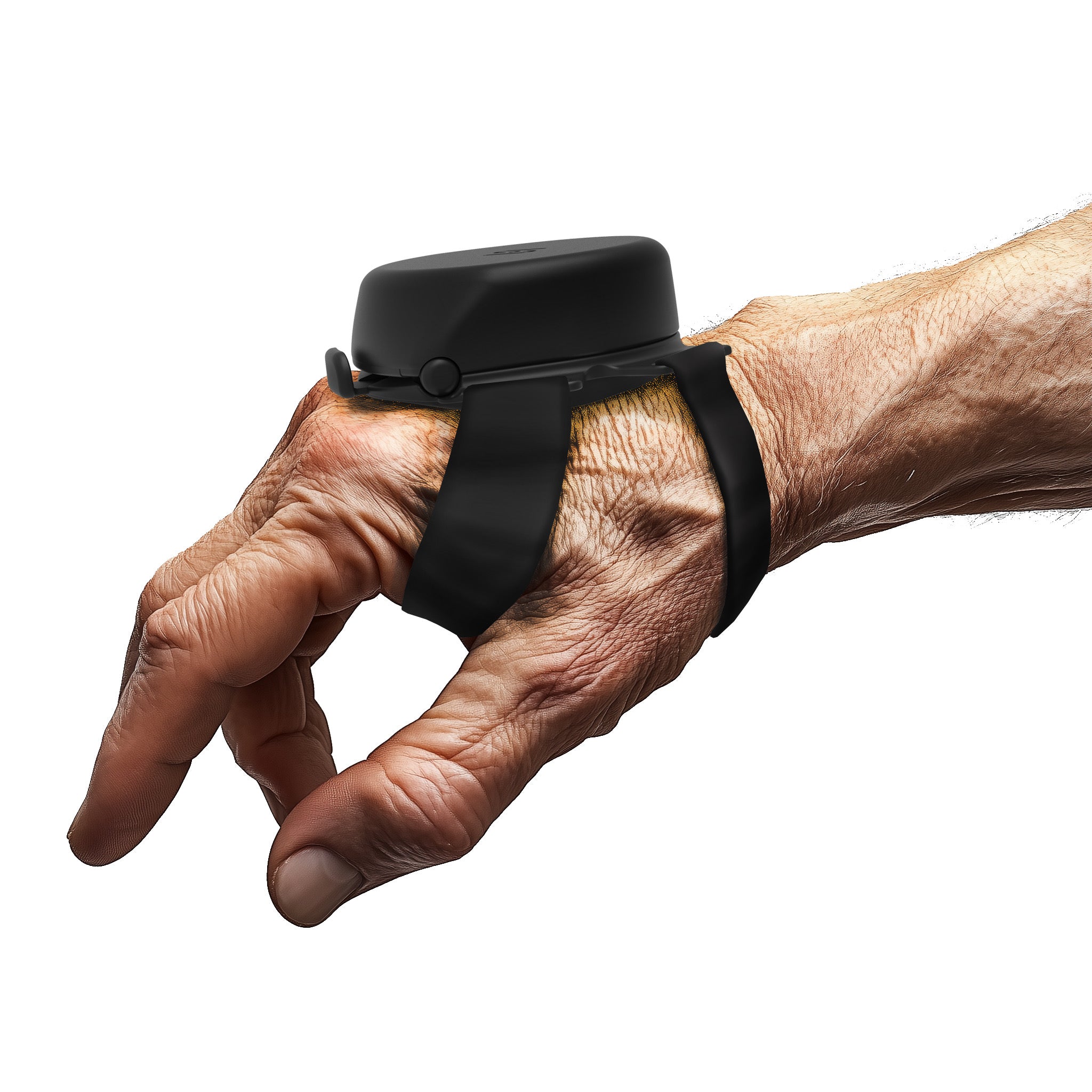
For caregivers seeking a practical tremor treatment option that avoids surgery and long-term medication side effects, assistive devices can play an important role. One option designed specifically for Essential Tremor and Parkinson’s Disease is the Steadi-3 anti-tremor glove.
Steadi-3 is a wearable assistive device that helps reduce hand tremors during everyday tasks such as eating, writing, and using utensils. It uses magnetic vibration absorber technology to automatically respond to tremor intensity without batteries, charging, or manual adjustments.
From a caregiver perspective, Steadi-3 offers several meaningful advantages. It is a one-time purchase rather than an ongoing monthly expense, which can make long-term budgeting more predictable. The device is lightweight, non-invasive, and does not require recovery time, hospitalization, or follow-up procedures.
Steadi-3 is an FDA-registered Class I medical device and is designed for daily use at home. It fits either the left or right hand and features universal sizing with adjustable straps, allowing caregivers to help ensure a secure and comfortable fit. Because it is wearable, it can be used alongside other tremor treatments rather than replacing them.
For families navigating insurance and reimbursement, Steadi-3 may be eligible for FSA or HSA reimbursement with a Letter of Medical Necessity from a healthcare provider. In some cases, assistive devices like tremor-stabilizing gloves may also be considered under Medicare durable medical equipment pathways when properly documented, although coverage varies.
For caregivers focused on preserving daily function while managing costs and medical risk, a non-invasive assistive device such as Steadi-3 can be a valuable part of a broader tremor care plan.
Conclusion
Paying for tremor treatment is one of the most challenging responsibilities a caregiver can face. Between rising healthcare costs, complex insurance rules, and evolving treatment needs, it is easy to feel overwhelmed. Understanding the full range of tremor treatment options, insurance coverage pathways, and caregiver assistance programs can make a meaningful difference in both financial planning and day-to-day care.
As a caregiver, your role is not only to support your loved one medically but also to advocate, organize, and make decisions that align with their needs and preferences. By comparing costs, asking informed questions, and exploring non-invasive options alongside medical treatments, you can help build a care plan that supports long term quality of life.
No single solution fits every family. Tremor care often requires a combination of medical guidance, practical tools, financial resources, and caregiver support. Taking the time to understand these elements empowers you to move forward with clarity and helps ensure your loved one receives care that is both effective and sustainable.