
Parkinson's Disease produces two distinct symptom categories. Motor symptoms include tremor, rigidity, and bradykinesia (slowness of movement), as well as changes in gait and posture. The non-motor symptoms of Parkinson's Disease, which include loss of smell, sleep disturbances, mood changes, and cognitive difficulties, are equally significant. These non-motor symptoms often appear before motor signs, sometimes by years, and are frequently attributed to other causes. Together, the motor and non-motor symptoms of Parkinson's Disease affect a person's ability to carry out daily tasks.
Support and FAQs
Your questions answered. Whether you're inquiring about weighted gloves for hand tremors or seeking more information on weighted utensils for Essential Tremor, our FAQ section provides comprehensive support and guidance to help you better understand these innovative assistive tools.
There is currently no known way to prevent Parkinson's Disease, and there is no cure. Some risk factors, including age, sex, and genetic predisposition, cannot be modified. Avoiding long-term exposure to known environmental toxins such as pesticides and industrial chemicals may reduce risk for some individuals, though it does not eliminate it. For those at higher risk due to family history or genetic factors, early consultation with a movement disorder specialist allows for proactive monitoring and earlier access to management options if symptoms develop.
Advancing age is the strongest single Parkinson's Disease risk factor, with most diagnoses occurring after age 60. Men develop Parkinson's Disease at higher rates than women. Individuals with a parent or sibling who has Parkinson's Disease have approximately twice the lifetime risk of the general population (Parkinson's Foundation, parkinson.org), though most cases occur with no clear genetic cause. Long-term exposure to pesticides, herbicides, heavy metals, or industrial solvents is associated with elevated risk, as is Agent Orange exposure, which the US Department of Veterans Affairs recognizes as associated with Parkinson's Disease in eligible veterans. A movement disorder specialist can provide a personalized risk assessment.
No. Parkinson's Disease symptoms vary significantly between individuals. Some people notice tremor first; others experience stiffness, gait changes, or non-motor symptoms as the initial signs. Symptoms typically begin on one side of the body and progress over time. Age of onset, overall health, and individual neurology all influence which symptoms appear and when. There is currently no cure for Parkinson's Disease, but a movement disorder specialist can assess the specific symptom pattern and recommend a management plan.
Non-motor symptoms of Parkinson's Disease are those not directly related to movement. Clinically established examples include loss of smell (olfactory dysfunction), sleep disturbances such as REM sleep behaviour disorder, mood changes including depression and anxiety, constipation, cognitive changes such as memory or concentration difficulties, and fatigue (Parkinson's Foundation, parkinson.org). These symptoms often appear before motor signs and may be mistakenly attributed to aging or other conditions. A healthcare provider can evaluate whether a cluster of non-motor symptoms warrants further assessment.
Hand tremors are often among the earliest motor symptoms of Parkinson's Disease, typically beginning on one side of the body at Stage 1. By Stage 2 to 3, the stages of Parkinson's Disease symptoms commonly affect both sides, and tasks such as eating, writing, and holding objects become more challenging. At these stages, many people benefit from combining medication with assistive tools designed to support hand control during daily activities. A healthcare provider can recommend the most appropriate combination of treatments based on the severity of individual symptoms.
In the later stages of Parkinson's Disease, typically Stages 3 to 5 on the Hoehn and Yahr scale, symptoms become more pronounced bilaterally. Motor symptoms include worsening hand tremors, significant balance problems, slowed movement, and increasing difficulty with tasks such as eating, writing, and dressing. Non-motor symptoms, including sleep disruption and cognitive changes, can also become more prominent at these stages. A neurologist or movement disorder specialist can evaluate progression and adjust the management plan accordingly.
If you treat patients with movement disorders, Steadi-3 Plus may be able to help. Steadi-3 Plus products are designed to help people with hand tremors and limited hand and arm mobility eat more easily. Conditions that may contribute to hand tremors, like Essential Tremor and Parkinson's disease, can be supported by adaptive tools such as weighted gloves for tremors and other ergonomic devices. Conditions that may contribute to limited hand and arm mobility include cerebral palsy, spinal cord injury, Huntington's disease, and post-stroke deficits.
For healthcare professionals and caregivers, learning how a weighted glove for tremors complements Steadi-3 Plus can improve treatment outcomes and patient comfort. Many occupational therapists recommend pairing Steadi-3 Plus with your current treatment plan to enhance control during daily tasks like eating, writing, and dressing.
The Steadi-3 Plus clinical research includes a single-blind, placebo-controlled study where 85% of participants experienced significant tremor reduction. These results provide solid clinical evidence of its effectiveness and support its use as a weighted glove for Essential Tremor and Parkinson’s management.
Yes, the Steadi-3 Plus has been proven effective for both conditions. Clinical studies show that it can reduce hand tremors by up to 85%, making it a trusted choice for Parkinson’s tremor treatment and essential tremor management. Combined with a proper treatment plan, many users report improved stability, precision, and independence in their daily routines.
Essential Tremor and Parkinson's are two separate neurological conditions, and Essential Tremor Parkinson's is often misunderstood. ET does not directly cause or transform into Parkinson's, and the question "can Essential Tremor lead to Parkinson's Disease?" has a reassuring short answer: for the vast majority of people with ET, no. Some research suggests a slightly higher statistical risk of eventually developing Parkinson's compared with the general population, but this risk remains low, and most people with Essential Tremor never develop PD. The two conditions can coexist in the same person, and the overlap between Essential Tremor and Parkinson's is a recognized area of ongoing study. If you already have ET and notice new symptoms such as slowness, stiffness, or changes in balance, they are worth discussing with a neurologist.
Yes — anxiety and acute stress are among the most common answers to the question of what causes hand tremors, particularly when the shaking is temporary rather than persistent. When the body perceives stress, it releases adrenaline and cortisol, which increase muscle tension, heart rate, and nervous system activity. This can produce visible shaking in the hands, sometimes called enhanced physiologic tremor. The connection between hand tremors, anxiety responses, and underlying neurological conditions is important to understand: stress-related tremors typically resolve once the stressful situation passes, while Essential Tremor and Parkinson's tremors tend to be persistent and patterned. If you're wondering how to stop hand tremors that seem linked to stress, techniques like paced breathing, regular exercise, reduced caffeine, and improved sleep can meaningfully reduce episodes. For more frequent or severe anxiety-related tremors, a doctor or mental health professional can help build a plan that may include relaxation strategies, cognitive behavioral therapy, or medication.
The four cardinal motor symptoms used to diagnose the condition — and the clearest answer to the question of Parkinson's disease's core symptoms — are tremor, bradykinesia, rigidity, and postural instability. Tremor typically presents as a resting tremor that occurs when the limb is relaxed and still, often with a pill-rolling quality in the fingers. Bradykinesia in Parkinson's refers to slowness of movement, including reduced facial expression, smaller, slower handwriting, and difficulty with fine motor tasks. Rigidity is muscle stiffness and resistance felt throughout the range of motion, often described as cogwheel rigidity during a neurological exam. Postural instability involves balance problems that increase the risk of falls and usually develops in later stages. Among the Parkinson's disease motor symptoms used diagnostically, a clinical diagnosis typically requires the presence of at least two of these four, with bradykinesia plus either tremor or rigidity being the most common combination.
Motor Symptoms of Parkinson's Disease
The motor symptoms of Parkinson's Disease are usually what bring people to a doctor in the first place. When someone searches Parkinson's Disease symptoms, they're most often looking for the specific physical changes that might explain what they've been noticing in themselves or a loved one — the tremor, the stiffness, the slower movements, the changes in balance. This section walks through each of the Parkinson's Disease motor symptoms that specialists use to recognize and diagnose the condition, along with the secondary motor changes that often accompany them.
The Four Cardinal Motor Symptoms
Parkinson's Disease is diagnosed clinically, which means a specialist identifies the condition primarily by observing a specific combination of Parkinson's Disease signs rather than through a single definitive test. Four cardinal motor symptoms form the backbone of that diagnosis:
1. Tremor. The most recognizable pattern of Parkinson's tremor symptoms is a resting tremor — shaking that occurs when the limb is relaxed and still, for example, when the hand is lying in the lap or hanging at the side. The tremor typically lessens when the person intentionally moves, and it often shows a "pill-rolling" quality in the fingers, as if the thumb is rolling across the fingertips. It usually begins on one side of the body before gradually spreading. Tremor is present in roughly 70 to 80 percent of people with Parkinson's at some point in the disease course. It's worth noting that not everyone with PD develops tremor, and a tremor on its own doesn't mean Parkinson's — Essential Tremor is far more common and behaves differently.
2. Bradykinesia (slowness of movement). Considered the single most important motor symptom for diagnosis. Bradykinesia in Parkinson's presents with a general slowing of movement and a reduction in the spontaneous, automatic aspects of everyday motion. Common signs include a reduced or mask-like facial expression, decreased blinking, difficulty with fine motor tasks such as buttoning a shirt or manipulating small objects, slow, cramped handwriting (micrographia), trouble turning over in bed, and movements that start normally but gradually slow down during repetitive tasks. For many people, bradykinesia is the symptom that most clearly interferes with daily life.
3. Rigidity (muscle stiffness). Stiffness and resistance in the muscles of the arms, legs, neck, or trunk are felt throughout the full range of motion. Rigidity can reduce the body's range of motion, cause persistent pain, and contribute to a stooped posture over time. Clinicians often describe it as "cogwheel rigidity" — a ratcheting sensation felt when the doctor passively moves the patient's limb. Many people first notice rigidity as stiffness or pain in a shoulder or hip, which is sometimes initially attributed to arthritis or an old injury before a neurologist recognizes the pattern.
4. Postural instability (balance problems). Difficulty maintaining balance and an upright posture, which typically develops later in the disease course than the other three cardinal symptoms. Postural instability increases the risk of falls and is often accompanied by a stooped, forward-leaning posture. It differs from ordinary age-related balance decline in that it doesn't respond well to the usual compensatory strategies, which is one reason a specialist evaluation matters when balance changes become noticeable.
Secondary Motor Symptoms
Alongside the four cardinal symptoms, several secondary motor changes are strongly associated with Parkinson's and often appear as the disease progresses:
- Parkinsonian gait. Shortened stride length, a shuffling walk, reduced or absent arm swing on one or both sides, and a forward-leaning trunk. Some people later experience festination (short, rapid steps, as if hurrying) and freezing of gait, where the feet appear glued to the floor — particularly when starting to walk, turning, or passing through doorways.
- Vocal changes. The voice may become softer (hypophonia), breathy, or monotone. Parkinson's can affect the muscles that control speech, reducing the normal variation in volume and emotional expression.
- Facial masking. Reduced facial expression and less frequent blinking give the face a blank or serious appearance, which can sometimes be mistaken for disinterest or low mood.
- Micrographia. Handwriting that progressively becomes smaller, more cramped, and harder to read — a specific and recognizable manifestation of bradykinesia affecting the hands.
Any one of these changes in isolation is not enough to diagnose Parkinson's. But when several appear together, particularly alongside one of the four cardinal symptoms, this pattern prompts most neurologists to begin a formal evaluation.
Several established Parkinson's Disease risk factors influence who is most likely to develop the condition. Age is the strongest: most diagnoses occur after 60, and approximately 1 percent of people over 60 are affected (Parkinson's Foundation, parkinson.org). Men develop Parkinson's Disease more frequently than women. The role of genetic Parkinson's Disease is also recognized: having a first-degree relative with the condition approximately doubles lifetime risk, though most cases remain idiopathic, meaning no clear cause is identified. Long-term exposure to pesticides, herbicides, and heavy metals is associated with elevated risk. There is currently no cure for Parkinson's Disease, but understanding individual risk factors supports earlier evaluation and access to management options.
Hand Tremor Treatment Options: From Medications to Wearable Devices
For many people experiencing hand tremors or shaky hands, finding the right solution can take time. The best approach often depends on the cause of the tremor, its severity, and how much it affects daily activities such as eating, writing, or using a phone.
Healthcare providers may recommend a combination of treatments — including medications, therapy, lifestyle adjustments, and assistive technologies — to help manage hand tremor symptoms and improve hand control.
Below is an overview of the most commonly recommended treatments for hand tremor.
Medications for Hand Tremors
For people diagnosed with Essential Tremor, physicians often begin treatment with medications. The two most commonly prescribed options are:
- Beta-blockers (Propranolol) – A medication originally used for heart conditions that can reduce tremor amplitude in some patients.
- Primidone – An anti-seizure medication that can help stabilize nerve activity associated with tremors.
Clinical studies suggest that these medications can improve symptoms for approximately 50–60% of patients with Essential Tremor. However, they may not work for everyone, and some individuals experience side effects such as fatigue, dizziness, or low blood pressure.
Because of these limitations, many people with shaky hands explore additional approaches in addition to medication.
Lifestyle Adjustments That May Help Reduce Shaky Hands
Certain daily habits can influence the intensity of hand tremors. Healthcare providers sometimes recommend lifestyle adjustments that may help reduce triggers.
Common strategies include:
- Limiting caffeine and stimulants, which may worsen shaky hands
- Prioritizing consistent sleep, as fatigue can increase tremor severity
- Managing stress, which can temporarily intensify tremor symptoms
- Ensuring proper nutrition, including nutrients such as vitamin B12 and magnesium
While these steps may not eliminate tremors, they can help reduce fluctuations in tremor intensity for some individuals.
Physical and Occupational Therapy
Physical and occupational therapy can also play an important role in the treatment of hand tremor.
Therapists may recommend hand tremor exercises designed to improve coordination and strengthen muscles involved in fine motor control. These exercises may include:
- Controlled grip exercises
- Finger coordination drills
- Wrist stability movements
Occupational therapists can also teach adaptive techniques to make everyday activities easier, such as stabilizing the wrist while writing or adjusting the way utensils are held.
When Parkinson's Disease Symptoms Progress
Parkinson's Disease symptoms in later stages typically become bilateral, affecting both sides of the body and increasing the impact on daily hand function. The stages of Parkinson's Disease symptoms follow a recognized progression: tremors that begin on one side in the early stages commonly extend to both hands by Stage 2 to 3, making tasks such as eating, writing, and dressing progressively more challenging. There is currently no cure for Parkinson's Disease, but as symptoms advance, assistive tools and wearable devices become an increasingly important part of management alongside medication. Non-motor symptoms of Parkinson's Disease, including sleep disruption and cognitive changes, can also emerge across stages.
Assistive Tools and Wearable Devices
Many people with hand tremors use assistive tools to help manage daily tasks. These tools are designed to stabilize the hand or reduce the impact of tremor movement.
Common assistive options include:
- Weighted utensils for eating
- Adaptive grips for pens and tools
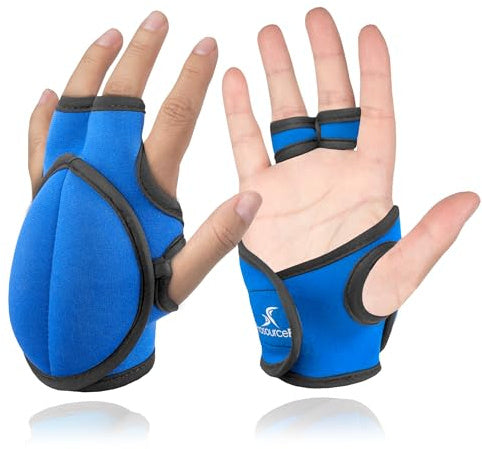
- Wrist weights for tremors, which add stability by increasing resistance during movement
These solutions are often low-cost and can be used alongside other therapies. However, they may not provide consistent tremor reduction for all users.
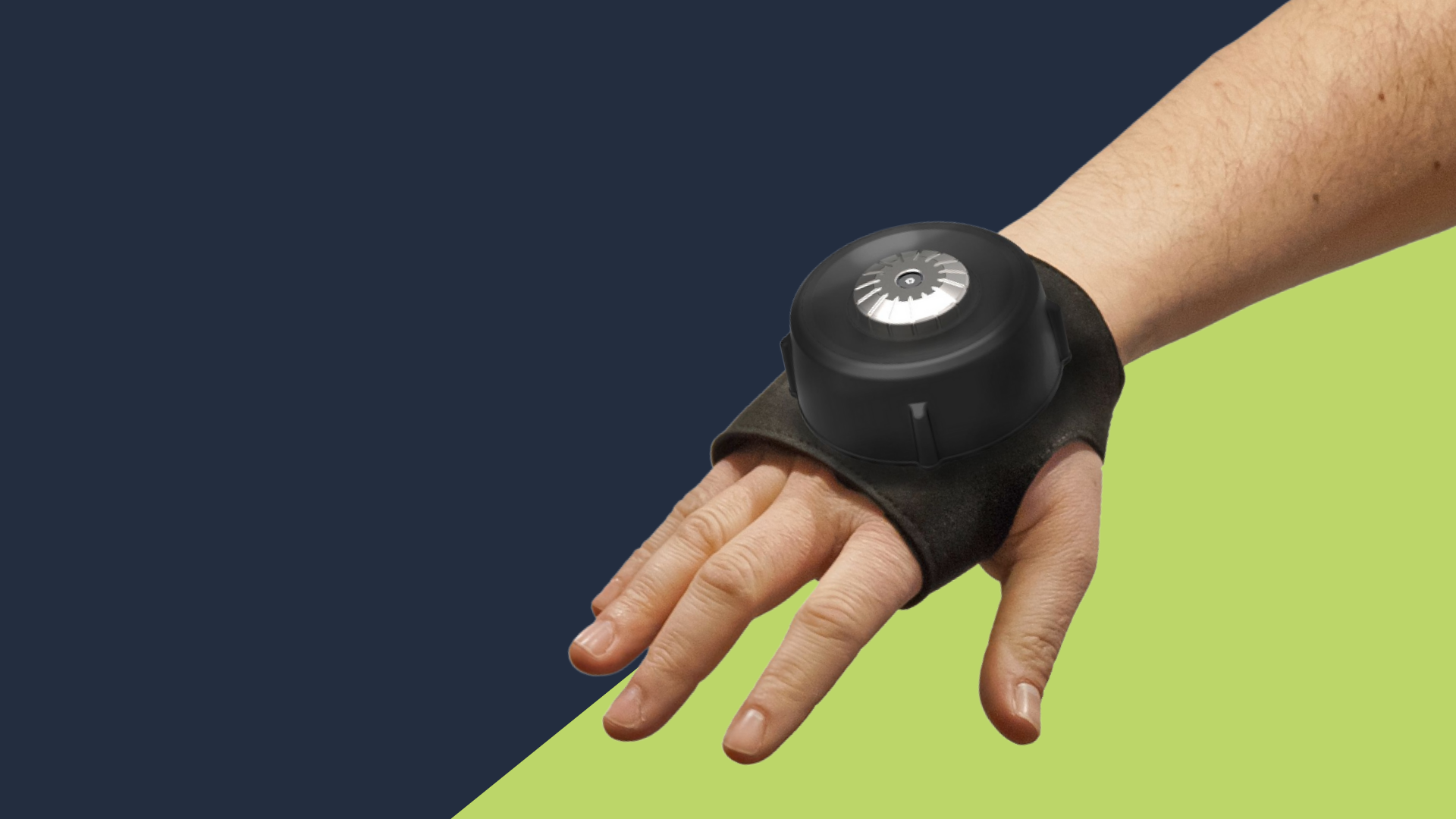
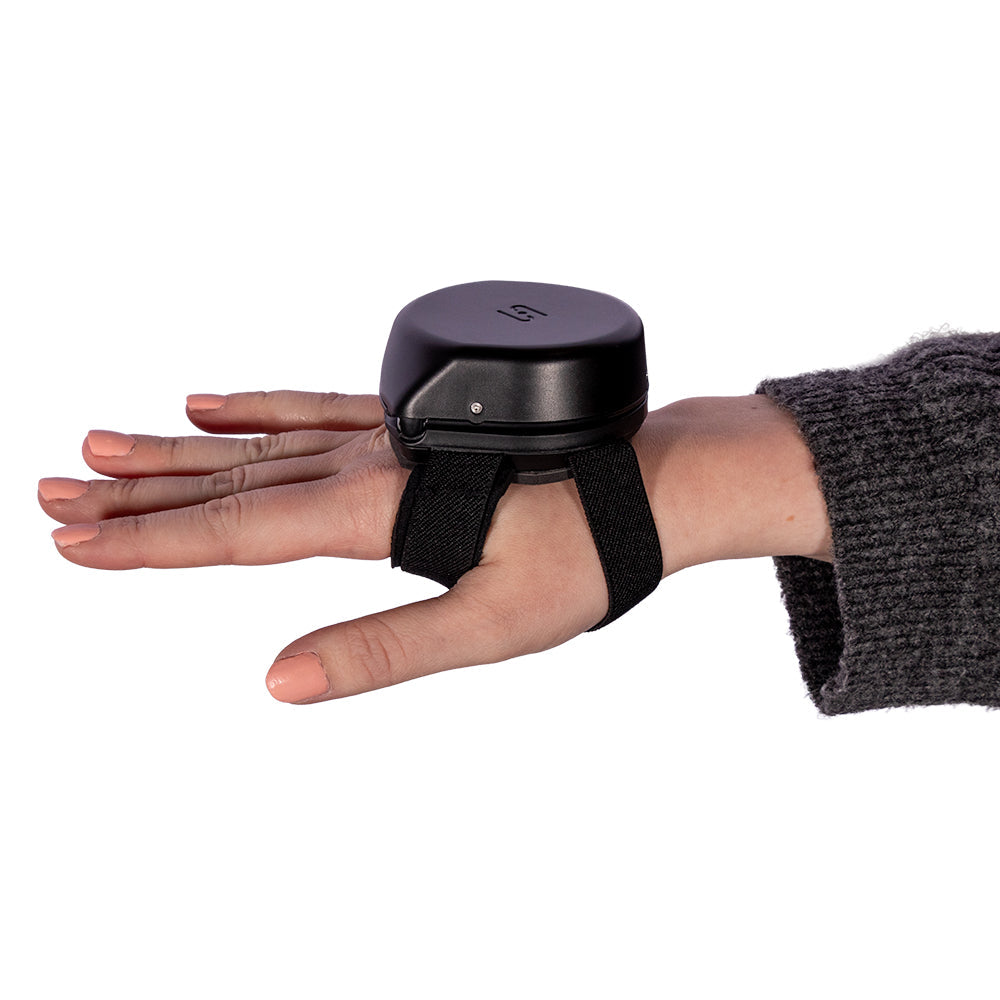
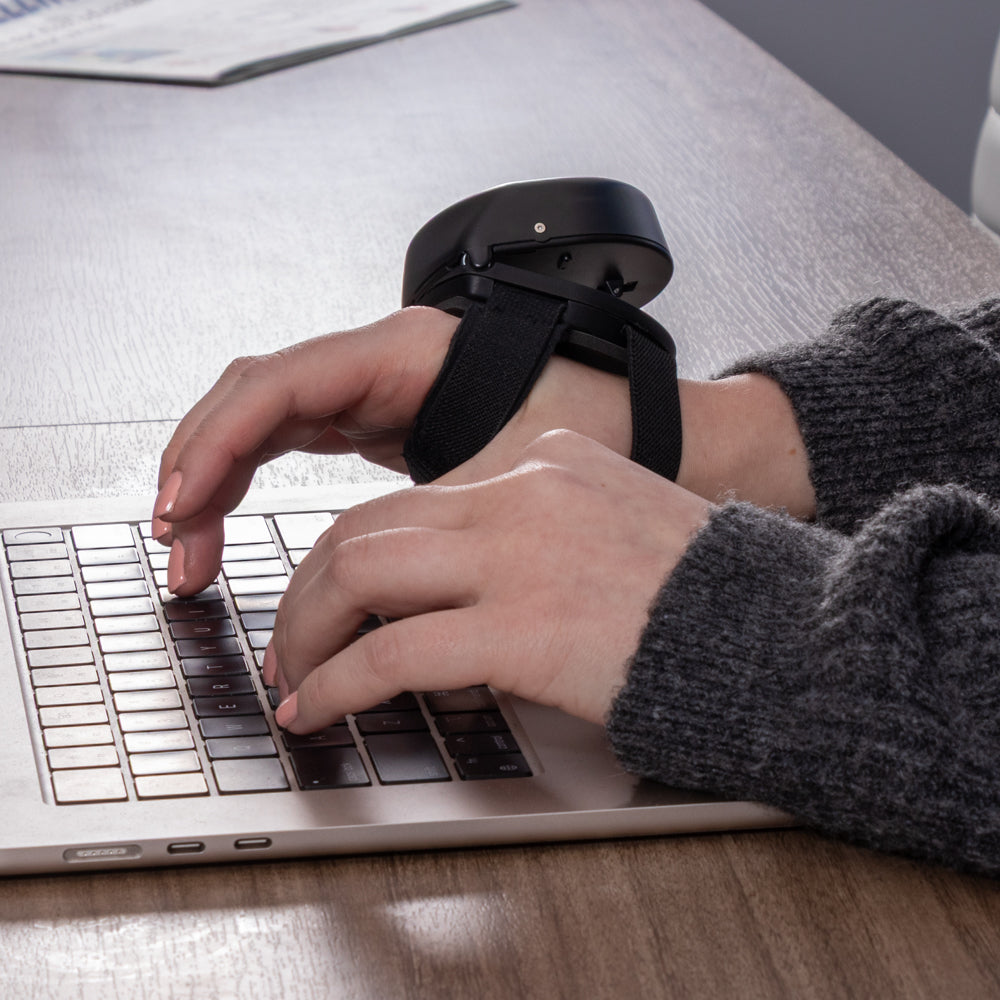
Newer technologies have introduced wearable devices specifically designed to stabilize hand motion. One example is the Steadi-3 Plus anti-tremor glove, a lightweight wearable that uses magnetic vibration-absorber technology to counteract tremor.
Unlike electronic devices, the Steadi-3 Plus is battery-free, non-invasive, and automatically adapts to the intensity of tremor. It is also an FDA-registered Class I medical device, designed to support daily activities such as eating, writing, and using a phone.
Advanced Treatment Options for Severe Tremors
When hand tremors significantly interfere with daily life and do not respond to medication, healthcare providers may discuss advanced treatment options.
These can include:
Deep Brain Stimulation (DBS)
A surgical procedure where electrodes are implanted in specific areas of the brain to regulate abnormal signals that cause tremors.
Focused Ultrasound
A non-invasive treatment that uses targeted ultrasound energy to disrupt tremor-causing brain activity.
These treatments are typically reserved for severe cases of Essential Tremor or Parkinson’s Disease and are recommended only after evaluation by a specialist.
Key Signs That May Help You Recognize ET vs. Parkinson's
If you've noticed a tremor in yourself or a loved one, the first question is usually the same: Is it Essential Tremor or Parkinson's Disease? While only a neurologist can make a formal diagnosis, there are a handful of practical signals that can help you tell the two conditions apart. Below are the most common patterns specialists look for when comparing Essential Tremor or Parkinson's symptoms, along with context on how to use this information.
When Does the Tremor Happen? Action Tremor vs. Tremor at Rest
This is the single most useful clue, and it's the first thing most specialists evaluate. ET tremors appear during movement, such as when you're writing, lifting a cup of coffee, or reaching for a doorknob. Parkinson's tremors typically appear at rest, when the hand is relaxed in the lap or hanging at the side, and they often lessen when you intentionally move the limb. Understanding the difference between rest and action tremor patterns is one of the clearest markers distinguishing Essential Tremor from Parkinson's.
Which Side of the Body Is Affected?
Another strong signal is whether the tremor is symmetric or one-sided. Essential tremor typically starts on both sides of the body at the same time, usually affecting both hands. Parkinson's tremor, by contrast, usually begins on one side (often one hand or one leg) before gradually spreading. Asymmetry at onset is a well-known clinical red flag for Parkinson's.
Which Body Parts Are Involved?
Location matters as well. ET commonly affects the hands, head (nodding or side-to-side shaking), and voice. Parkinson's tremor usually affects the hands, fingers, jaw, or feet, but it rarely causes head or voice tremor. If you or someone close to you has noticed head bobbing or a shaky voice, that pattern is more consistent with ET.
What Other Symptoms Are Present?
One of the most important signs distinguishing Parkinson's disease from Essential Tremor is what else is happening alongside the tremor. ET is primarily a tremor disorder, and most people with the condition do not experience slowness of movement, muscle stiffness, or balance difficulties. If a tremor is accompanied by noticeable stiffness, slowed movements, a shuffling walk, or changes in balance, Parkinson's becomes a more likely consideration. There is also a widely noted clinical observation that alcohol often reduces Essential Tremor temporarily, while Parkinson's tremors are generally unaffected. This is not a diagnostic test, but it is one more pattern that can help inform a conversation with your doctor.
An Important Caveat
These patterns are guidelines, not answers. Symptoms can overlap, early-stage disease can be subtle, and both conditions can look different from one person to the next. If you're trying to figure out how to tell if a tremor is Essential Tremor or Parkinson's, these signals can help you ask better questions and describe your symptoms more precisely. Only a neurologist, ideally a movement disorder specialist, can confirm a diagnosis.
Hand Tremors in Older Adults
Hand tremors become significantly more common with age, which is why so many families first seek answers when an aging parent's shaking becomes hard to ignore. Understanding the link between age and hand tremors — and knowing what is typical versus what warrants a medical evaluation — is often the most useful starting point for anyone researching this topic on behalf of themselves or a loved one.
Why Hand Tremors Are More Common with Age
Essential Tremor, the most common cause of persistent hand shaking, affects approximately 5% of people over 60 and up to 14% of those over 80. In other words, hand tremors in elderly adults are not rare — they're one of the most common neurological findings in this age group. Beyond Essential Tremor, several age-related physiological changes can make otherwise mild tremors more visible. Muscle mass naturally decreases with age, nerve conduction slows slightly, and the body becomes more sensitive to everyday factors like caffeine, sleep disruption, and dehydration. The result is that a tremor that might have been imperceptible at 40 can become a noticeable daily reality at 70.
The term "senile tremor" or "age-related tremor" is sometimes used informally to describe mild hand tremors in older adults without an identified cause. Many of these cases are eventually recognized as undiagnosed essential tremor, which is part of why a proper evaluation with a neurologist is so important, rather than dismissing shaking as simply "a normal part of getting older."
What's Typical Versus What Needs a Doctor's Attention
Not every tremor in an older adult signals a serious condition, but there are clear patterns that help distinguish normal age-related changes from symptoms that need evaluation. Tremors that appear only occasionally, are mild, and don't meaningfully interfere with daily activities are generally less concerning. The signals that warrant a medical appointment are:
- Tremors that are clearly worsening over weeks or months
- Tremor that affects one side of the body asymmetrically
- Shaking that is accompanied by stiffness, slowness of movement, or balance changes
- Any tremor severe enough to affect eating, dressing, writing, or independence
Sex-related patterns also play a small role. Men are roughly 1.5 times more likely than women to develop Parkinson's disease, while Essential Tremor affects men and women at similar rates overall, though head and voice tremors may appear more often in women with ET.
Medications and Hand Tremors Treatment in Older Adults
Older adults are more likely to be taking multiple medications, and some of these can contribute to or worsen shaking. Before assuming a tremor is entirely neurological, a thorough medication review with a physician is one of the most practical early steps. Common culprits include certain asthma inhalers, mood-stabilizing drugs, thyroid medications, and some antidepressants.
Fortunately, most hand tremors in older adults are well understood, and hand tremor treatment options continue to expand. With lifestyle adjustments, medication review, occupational therapy, wearable stabilization devices, and (in some cases) prescription medications, the vast majority of older adults with hand tremors can maintain meaningful functional independence and continue to engage in the activities that matter most to them. The single most important step is getting an accurate diagnosis early, so the right combination of strategies can be put in place.
Finding the Right Hand Tremor Solution
Because tremors can affect people differently, the most effective hand tremor treatment plan often involves a combination of approaches.
Some individuals benefit from medication. Others rely on hand tremor exercises, adaptive tools, or wearable assistive devices to maintain control during everyday tasks.
If you are experiencing shaky hands or persistent hand tremors, consider speaking with a healthcare provider to determine the most appropriate management options for your situation.
Customer Experiences
Real-Life Impact: Customer Experiences with Steadi-Three the Weighted Glove for Tremors
I have just spent a month with the new Steadi-3 Plus glove and I am delighted. It is light, very effective, easy to put on and take off and I could wear it for hours with no problem.
Trying to coordinate a Steady hand with an unsteady hand is really difficult. it requires you to think about how you are going to harmonize your hands. The Steadi-3 Plus made this easier.
The Steadi-3 Plus has really helped her. Anything that helps to reduce her tremor makes her feel better about herself, and that makes me feel better.
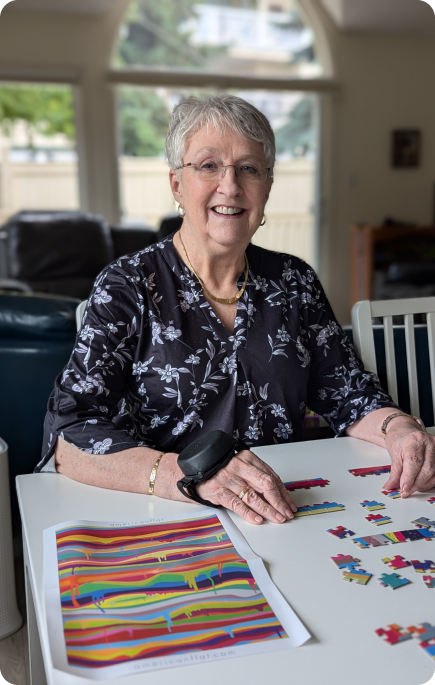
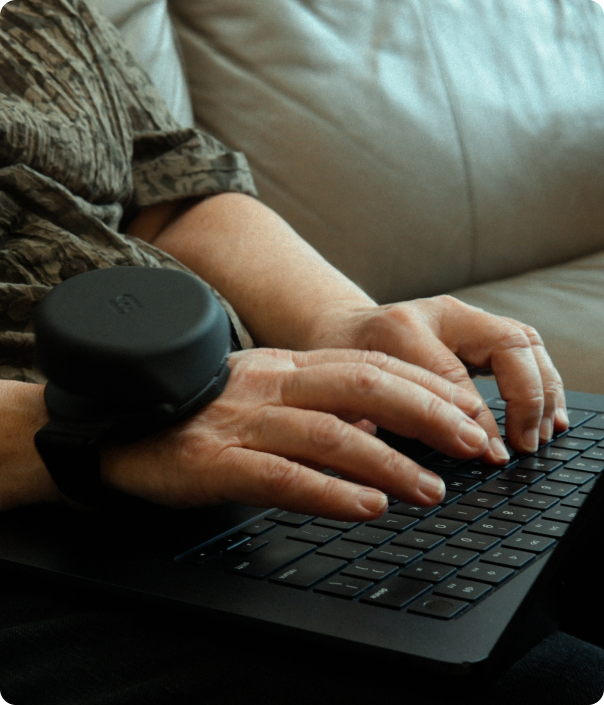
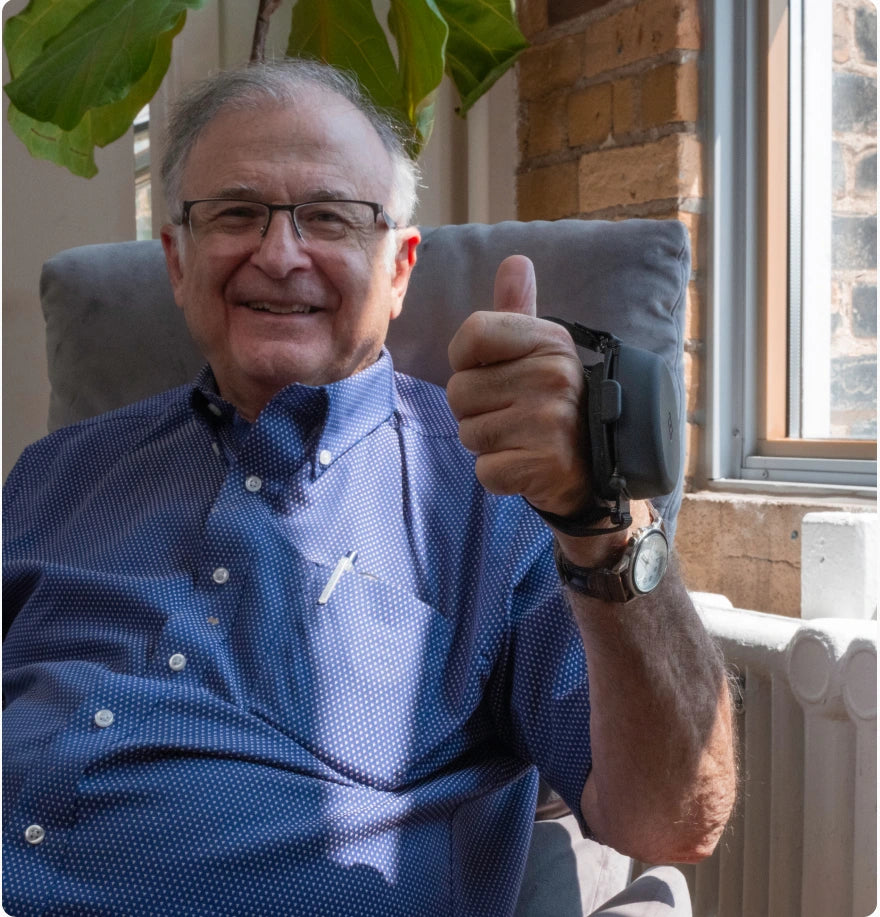
Steadiwear Inc., a Canadian company, has developed the Steadi-3 Plus hand tremor device, a second-generation, battery-free stabilizing glove designed for people with Essential Tremor and Parkinson's disease. This 'smart' glove is notably smaller, lighter, and can adapt to a broader range of hand tremors. It intelligently stabilizes the wrist joint and forearm, enhancing daily activities like eating, drinking, and shaving. The glove uses magnetic tuned mass damping technology for stabilization and is registered with Health Canada and the FDA as a Class 1 medical device. The Steadi-3 Plus is now available for pre-order in Canada and the United States.
Healthport, an Australian medical wearable supplier, offers the Steadi-Two glove, a novel battery-free device for Essential Tremor. This glove is lightweight, ambidextrous, and designed for various activities, providing instant relief for tremor symptoms. Its features include two tremor settings and machine washability, ensuring adaptability and ease of use. Priced at $999.00, down from $1,399.00, the Steadi-Two comes with a 30-day money-back guarantee.

Subscribe to Stay Updated
Stay updated with the latest at Steadiwear. We're constantly advancing our core product, the Steadi-3 Plus, a dedicated weighted glove for hand tremors. Our expanding product line, including weighted utensils for essential tremor, reinforces our commitment to innovation in the assistive device industry.
Have a Further Question? Contact Us
Steadi-3 Plus Hand Tremor Device
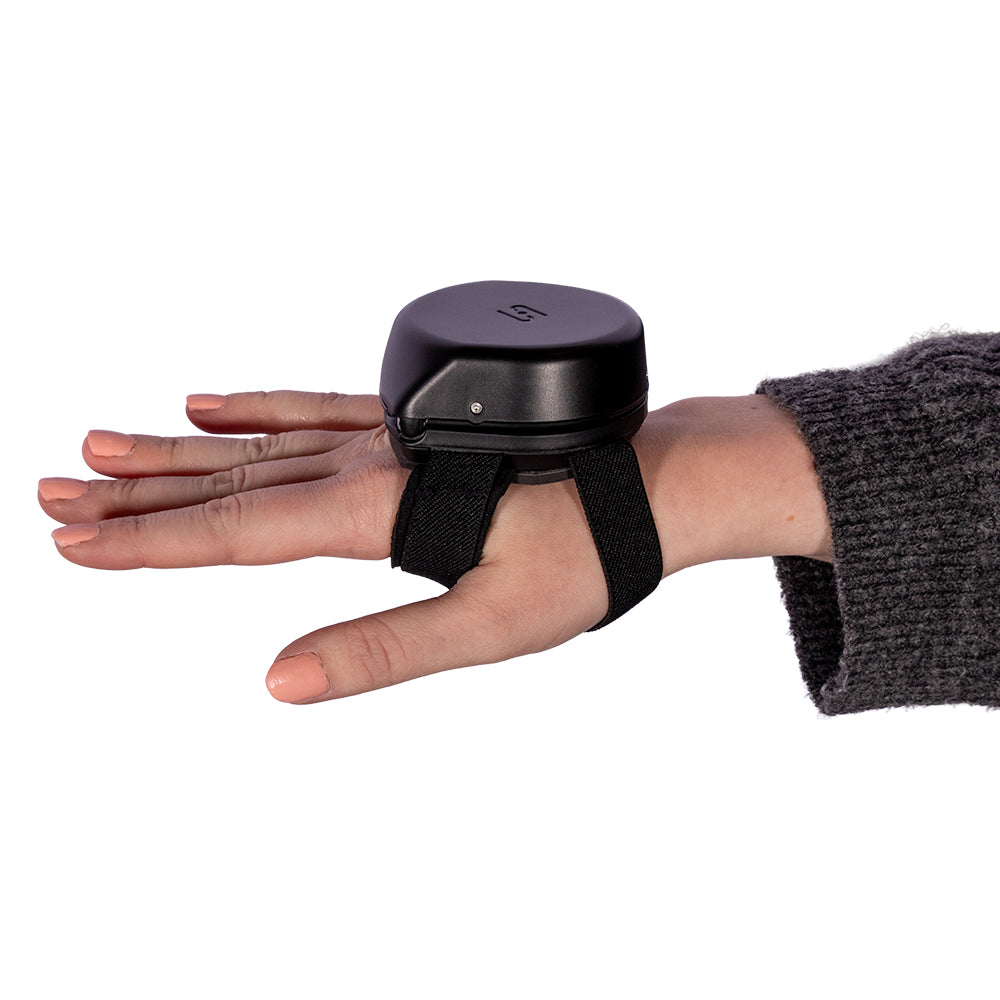
Weight: 290 grams (0.65 lbs / 10.4 oz)
Discover Steadiwear's pioneering approach to managing Essential Tremor and Parkinson's disease. Our flagship product, the Steadi-3 Plus hand tremor device, is a revolutionary weighted glove for tremors, representing a significant breakthrough in tremor stabilization. As an FDA-registered Class I medical device, it offers a non-invasive, battery-free solution, marking Steadiwear as a leader in assistive medical technology.
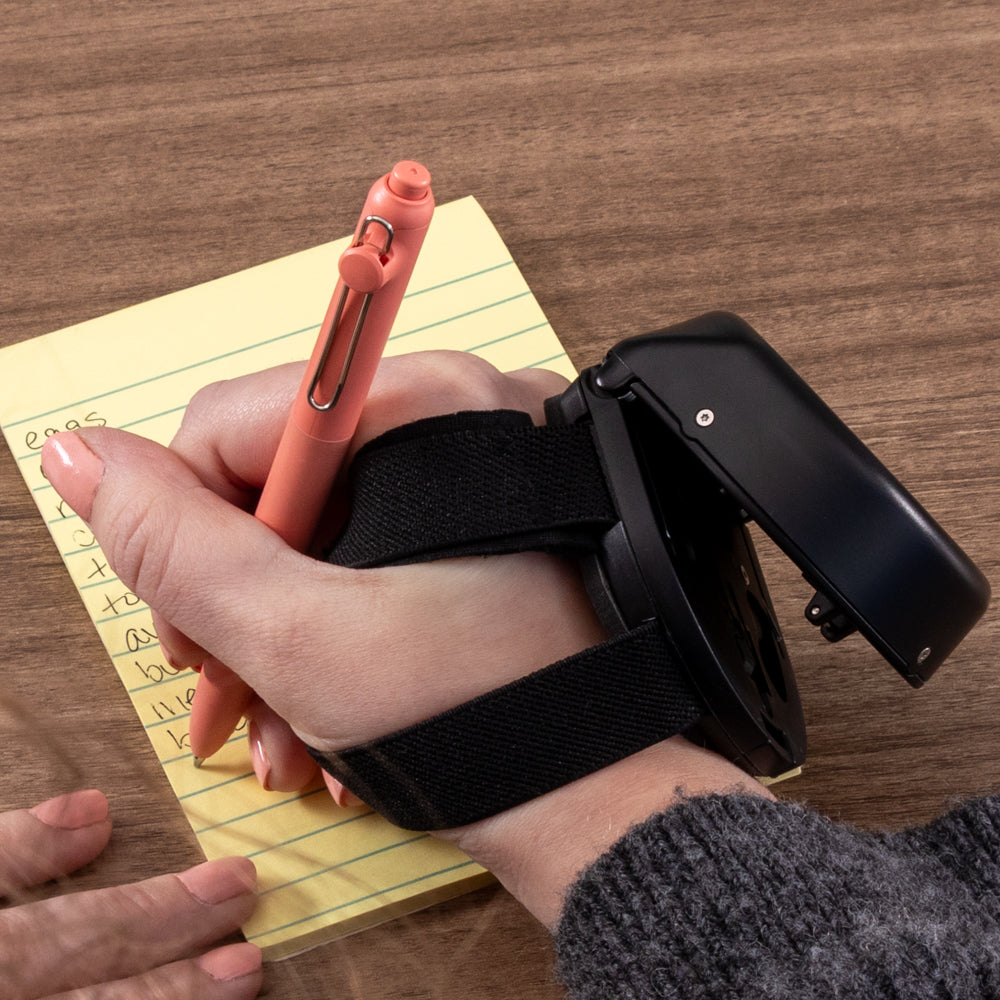
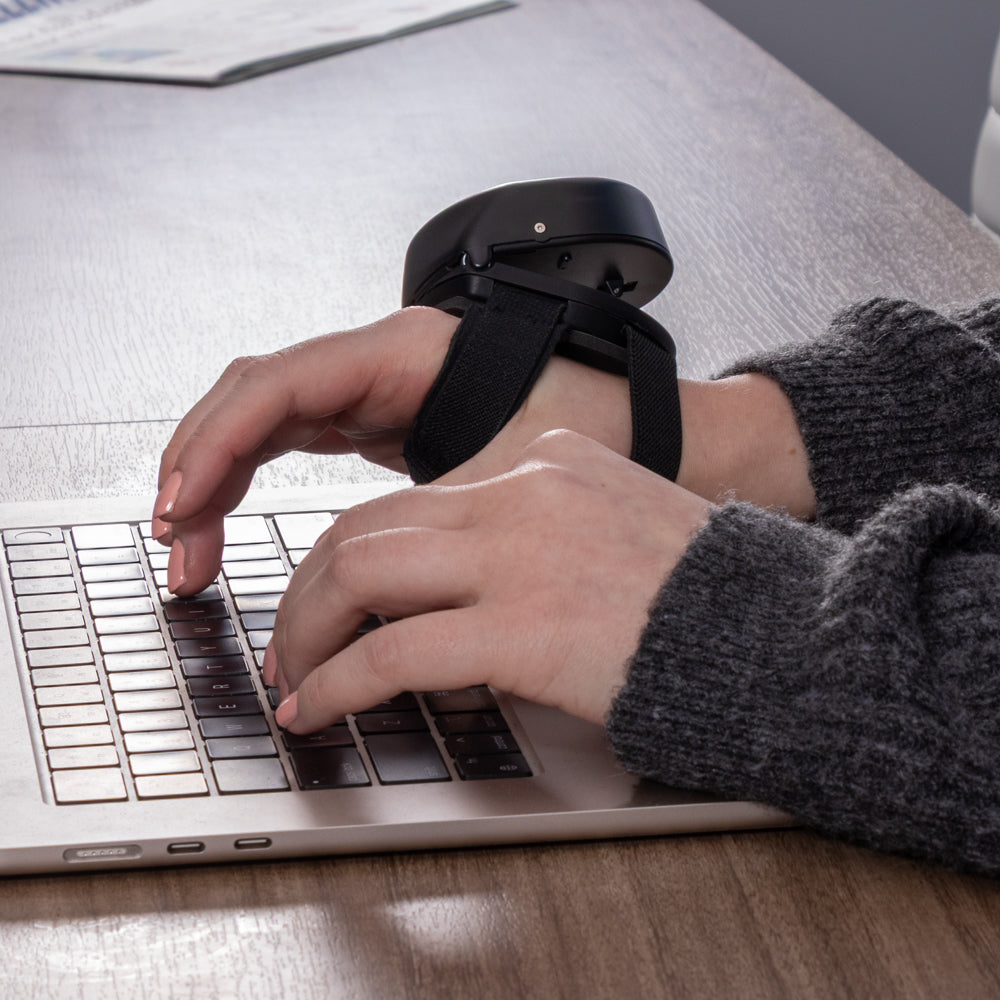
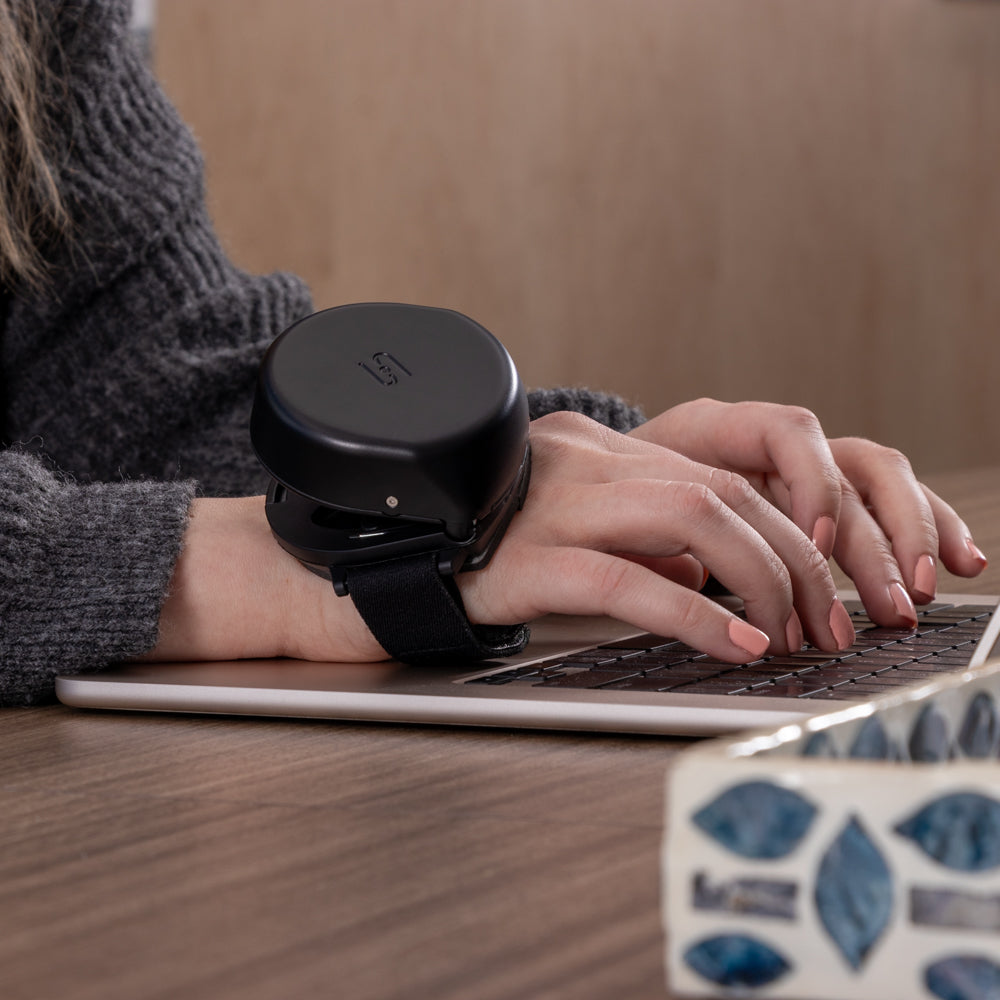
The Steadi-3 Plus device for hand tremors offers practical support for individuals with Essential Tremors or Parkinson’s Disease. Designed to fit comfortably, it provides reliable, real-time tremor control tailored to the user’s needs, allowing for greater ease and independence.
Steadi-3 Plus – Your Anti-Tremor Glove for Daily Independence
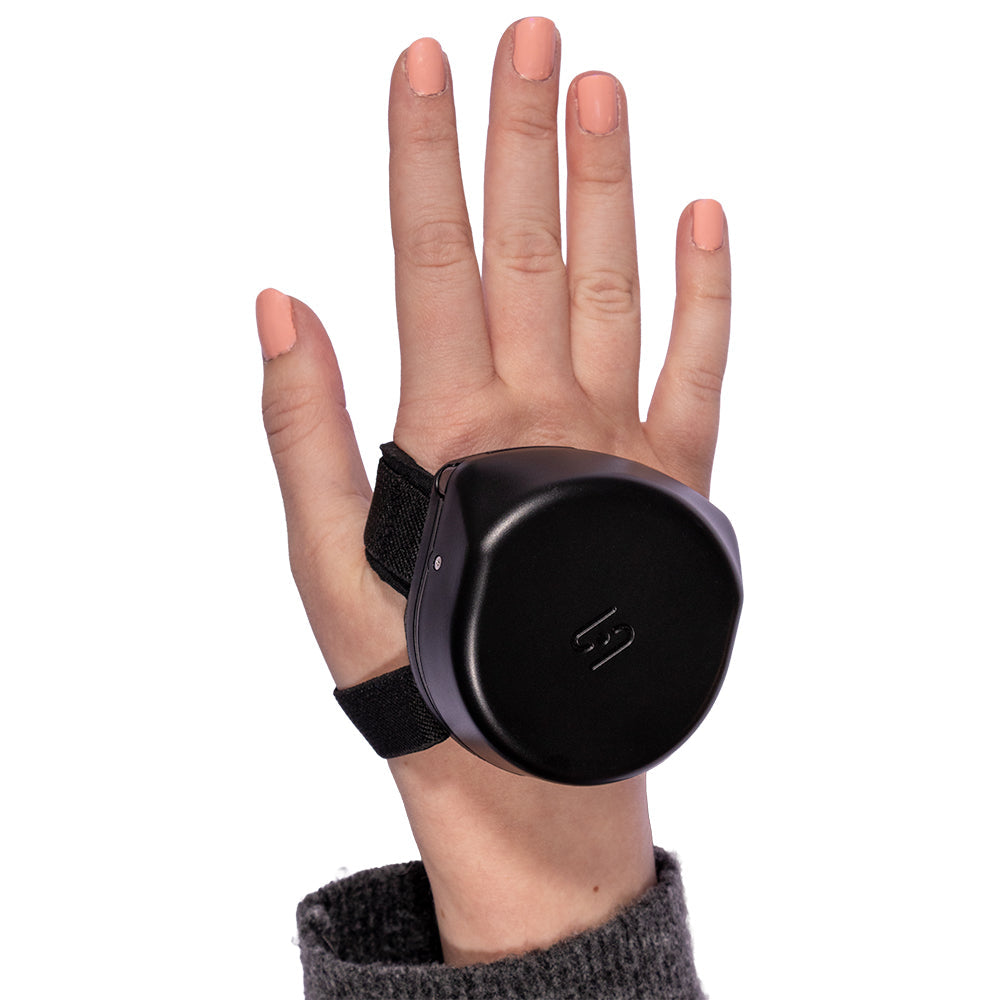


Steadiwear Inc
Steadi-3 Plus – Your Anti-Tremor Glove for Daily Independence
Clinically tested glove that reduces hand tremors — battery-free and comfortable for everyday use.
- Stabilizes hand tremors instantly
- Battery-free & lightweight
- NEW: Replaceable straps — swap them out anytime for a fresh, custom fit
- 30-day money-back guarantee
- Worldwide Shipping (over 150 countries)

30-Day Money Back
Free Shipping
FDA Registered Device
1-Year Warranty
- Replaceable Straps (NEW): The Steadi-3 Plus introduces easy-to-swap straps made from durable Neoprene foam. When your straps show wear, simply detach and replace them — no tools required. Keep your glove feeling brand new without replacing the entire device.
- Universal Sizing: Our anti-tremor device is adjustable to meet your hand size. It is available for either hand and ensures an effective experience.
- Compact, Comfortable Fit: With its silicone and Neoprene foam straps, the Steadi-3 Plus is designed to fit securely without compromising comfort, allowing you to wear it throughout the day with ease.
- Automatic Adjustment: The Steadi-3 Plus adapts to your tremor intensity automatically, providing consistent stabilization as your tremor level changes in real time.
- FDA-Registered for Safety: As an FDA-registered Class I medical device, the Steadi-3 Plus is a trusted, safe choice for reducing hand tremors
- Slide your hand into the glove, ensuring it fits snugly around your palm.
- Tighten the fit by adjusting the velcro until it feels securely in place but still comfortable. Once the device is on, it will immediately calibrate itself to your tremor frequency and start stabilizing your hand.
- Replacing straps: To swap your straps, gently detach the existing straps from the stabilizer unit and click the new ones into place. No tools needed — takes under a minute.
In controlled evaluations, 84% of participants showed improved tremor control with Steadi-3 Plus versus no device. 70% showed improvement over placebo, based on blinded neurologist assessments.
Warranty: We back our product with a one-year warranty.
Risk-Free Trial: With our 30-day hassle-free return policy, you can test the Steadi-3 Plus glove with confidence.
Regain Control: Combat hand tremors effectively with the trusted Steadi-3 Plus glove from Steadiwear.
Please be aware that all returns are subject to a restocking fee of $83 USD or $117 CAD per unit to cover shipping, returns, customs and fulfillment. This fee will be deducted from your refund in the case of a return request.
If your healthcare provider recommends an assistive device to help manage hand tremors caused by a specific medical condition, you may be able to use your Flexible Spending Account (FSA) or Health Savings Account (HSA) to pay for the Steadi-3 Plus tremor glove.
Learn more here
-
We ship the Steadi-3 Plus to over 150 countries. Standard shipping is free within Canada. Shipping rates by region:
- Canada — Free standard shipping · Express (3 business days): $75.00
- Rest of the world: $49.99 · 6–10 business days Orders are processed within 1–2 business days. You'll receive a tracking number by email once your order ships. International orders may be subject to local customs or import duties.