
Why do my hands shake is a question many people ask after noticing involuntary movement during a routine task, like holding a cup or signing their name. Causes of hand tremors range from temporary and entirely benign to chronic and neurological. This article walks through nine causes, explains what each one means, and outlines when shaking hands warrants a medical evaluation.
What Are Hand Tremors and Why Do They Happen?
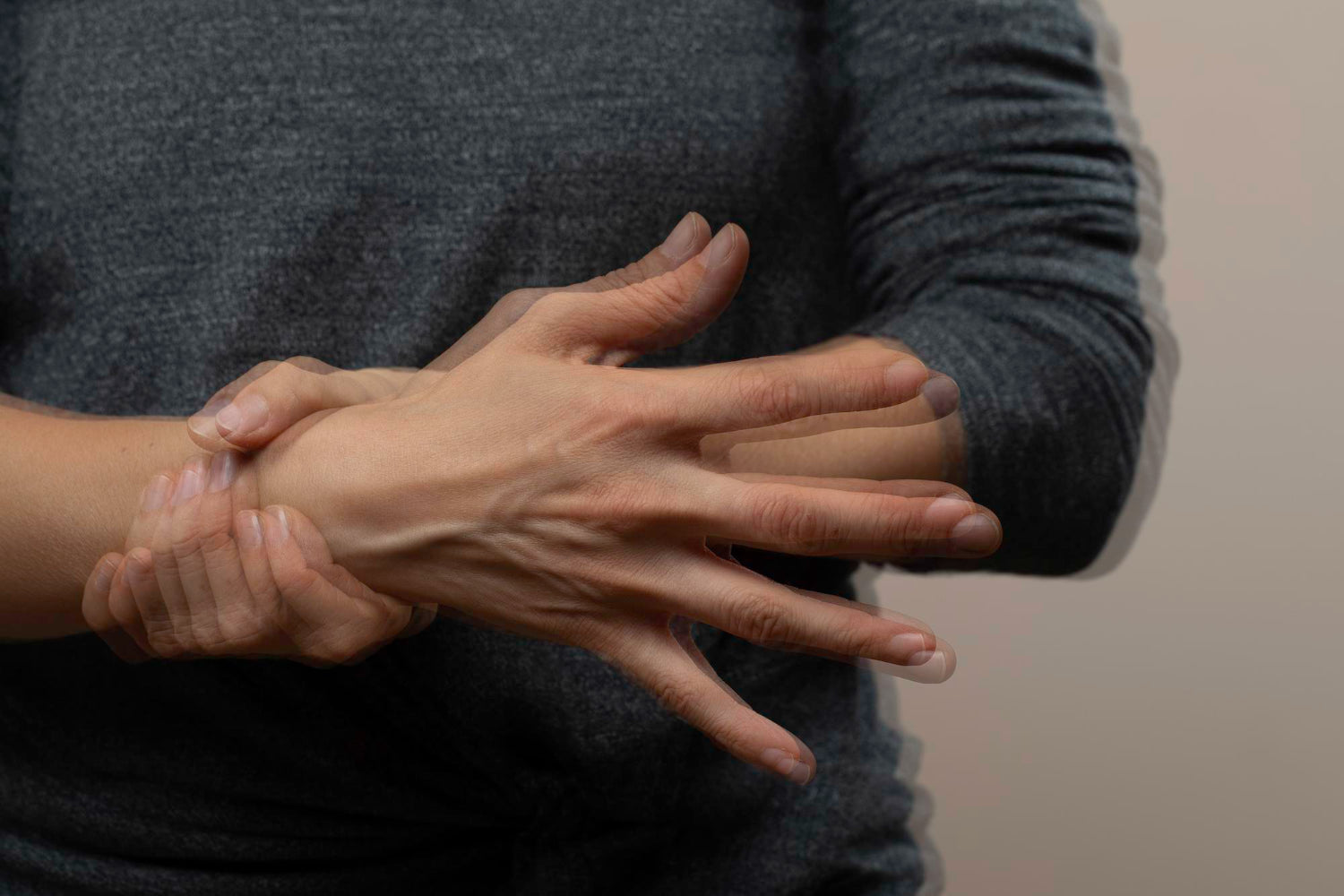
Hand tremors are involuntary, rhythmic muscle contractions that produce shaking. The two primary categories are action tremors, which occur during voluntary movement such as reaching or writing, and resting tremors, which occur when the muscles are fully relaxed. According to NIH and MedlinePlus classifications, everyone has a baseline physiologic tremor too small to notice under normal conditions. Tremors become clinically significant when they are visible, persistent, or disruptive to daily function. Understanding which type is present helps physicians identify the underlying cause.
Essential Tremor: The Most Common Cause of Shaky Hands
Essential Tremor is the most common cause of hand tremors in the United States, affecting more than 10 million Americans. It occurs during voluntary movement, such as reaching for a glass or writing, not at rest. Essential Tremor is not caused by another disease and is not life-threatening, though it can progress over time. Approximately 50% of people with Essential Tremor have an affected parent, indicating a hereditary component. It is more prevalent in adults over 65 but can appear at any age. It is frequently and incorrectly assumed to be Parkinson's Disease.
Parkinson's Disease and Resting Tremors

Parkinson's Disease tremors typically occur when the hands are relaxed and at rest, and often diminish during purposeful movement. This directly distinguishes them from Essential Tremor, which worsens during movement. The characteristic pattern is a pill-rolling motion in the fingers. Approximately 90,000 new Parkinson's Disease diagnoses occur in the United States annually, and tremor is often the first observable symptom. Early signs of Parkinson's Disease also include changes in handwriting, softening of the voice, and gait changes. Only a neurologist can reliably distinguish between Parkinson's Disease and Essential Tremor through clinical examination.
Enhanced Physiologic Tremor: Caffeine, Stress, and Other Temporary Triggers
Enhanced physiologic tremor occurs when the body's normal baseline tremor is amplified by an external trigger. Common causes include caffeine overload, nicotine, acute stress, sleep deprivation, low blood sugar, and overactive thyroid. These triggers do not indicate a neurological disease. The shaking is temporary and typically resolves once the trigger is removed or addressed. Distinguishing enhanced physiologic tremor from a neurological cause is important because the management approach differs entirely. If tremors persist after removing all identifiable triggers, a physician evaluation is appropriate.
Medications That Cause Hand Tremors
Drug-induced tremor is a common and frequently overlooked cause of shaky hands. Several drug classes are associated with this side effect, including certain antidepressants, antipsychotics, stimulants, asthma medications, and mood stabilizers. A 2022 review noted that tremor is among the most common medication side effects in clinical practice. Drug-induced tremors typically appear after starting or increasing a medication and often resolve when the medication is adjusted or discontinued under physician supervision. Readers who suspect a medication is causing tremors should discuss it with their prescribing physician and never discontinue a prescription independently.
Alcohol Use and Withdrawal Tremors
Alcohol-related hand tremors arise from two distinct mechanisms. Temporary shaking after heavy drinking reflects acute disruption of the nervous system and typically resolves within hours. Alcohol withdrawal tremors are a separate and more serious category; they emerge hours to days after a person who drinks heavily stops suddenly, and they can escalate in severity. According to MedlinePlus and NIH classifications, alcohol withdrawal is a documented and clinically significant tremor cause. Readers experiencing withdrawal-related shaking should seek medical evaluation rather than managing it without supervision, as this is a condition that requires professional oversight.
Other Medical Conditions Linked to Hand Shaking
Several other conditions can produce hand tremors that require diagnosis through blood tests or imaging. Multiple sclerosis can cause intention tremors during deliberate movement when the cerebellum is affected. Hyperthyroidism amplifies physiologic tremor through hormonal mechanisms. Vitamin B12 deficiency affects nerve function and can produce shaking that resolves with supplementation. Liver disease, specifically hepatic encephalopathy, is a less common but documented cause. Dystonia, a movement disorder involving involuntary muscle contractions, can also produce tremor-like symptoms. Each of these causes has a distinct management pathway.
Causes of Hand Tremors in Older Adults: Is This Normal Aging?
Physiologic tremor can increase modestly with age as neuromuscular control changes, but visible or disabling hand tremors are not simply an expected part of aging that should be accepted without evaluation. Essential Tremor is significantly more prevalent in people over 65, which partly explains why hand tremors are more common in older adults. Other age-associated factors include polypharmacy, nutritional deficiencies, and increased prevalence of thyroid conditions. A neurologist can determine whether the cause is neurological, metabolic, or medication-related. Some causes, including nutritional deficiencies and medication side effects, are fully reversible with appropriate treatment.
Hand Tremors in Young Adults: When Shaking Hands Is Unexpected
Young adults commonly experience enhanced physiologic tremors from stimulants, anxiety, or sleep deprivation, but Essential Tremor is not exclusively a condition of older adults and can appear in the 20s and 30s. Thyroid disorders and certain prescription or recreational stimulants should be ruled out in younger patients. The psychological impact of visible hand tremors at a younger age, particularly in professional or social settings, is significant. Persistent tremors in young adults should be evaluated by a physician to identify the cause before they affect daily functioning or career. Early identification allows for earlier access to management options.
When to See a Doctor About Shaky Hands
Temporary shaking tied to caffeine, stress, or disrupted sleep typically resolves on its own and does not require medical evaluation. However, tremors that persist for more than two weeks, worsen over time, or accompany coordination problems, rigidity, or gait changes warrant prompt evaluation by a physician. Tremors that interfere with eating, writing, dressing, or other daily tasks should also be assessed regardless of how mild they appear. A movement disorders neurologist is the appropriate specialist. Diagnosis involves neurological examination, blood tests, and sometimes imaging. Early evaluation allows for timely identification of any reversible or manageable cause.
When Hand Tremors Affect Daily Life: What the Steadi-3 Offers

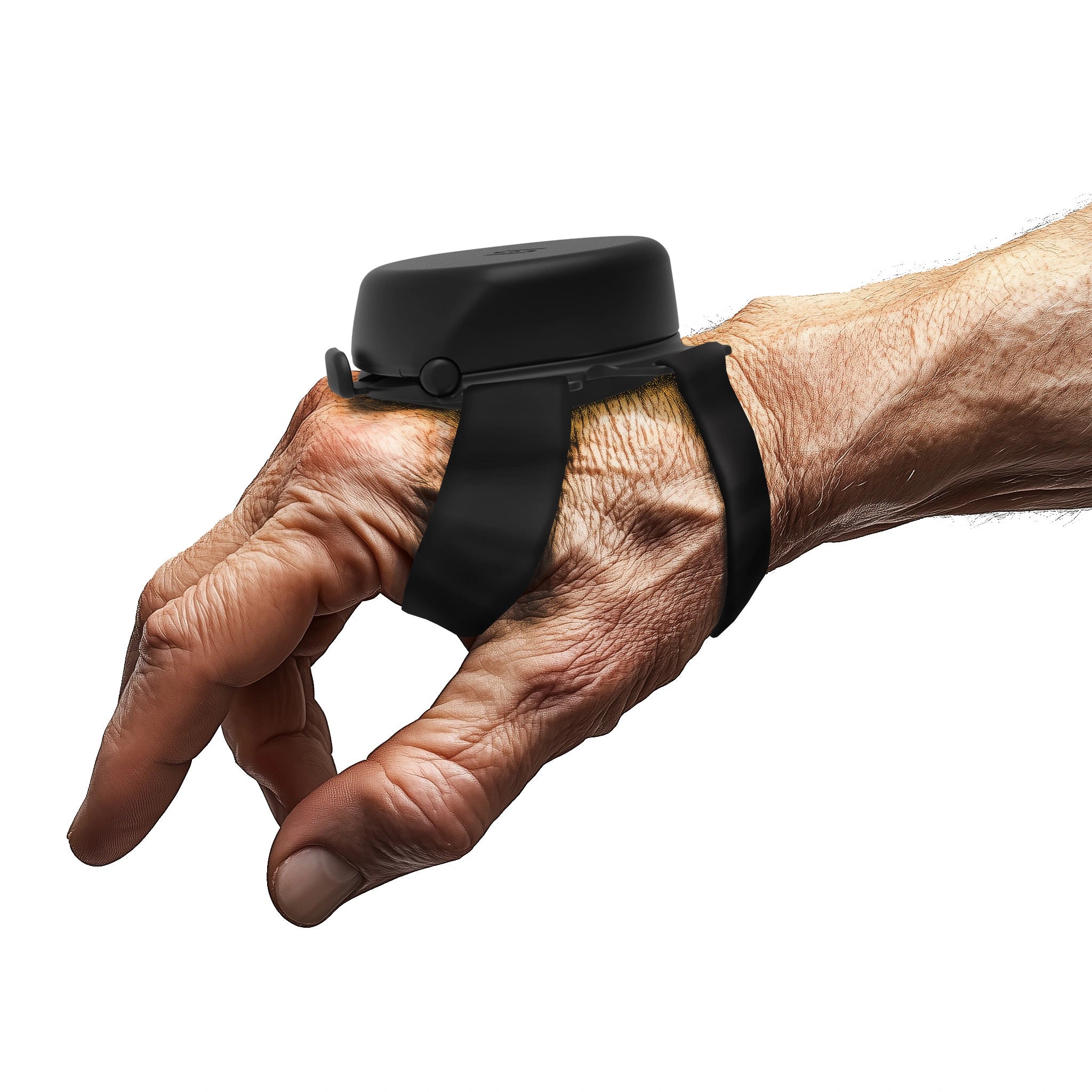
For people managing ongoing hand tremors from Essential Tremor or Parkinson's Disease, daily tasks like eating, writing, and holding objects present real functional challenges. The Steadi-3 is an FDA-registered Class I medical device that uses patented passive magnetic stabilization to reduce hand tremors without batteries or electronic components. It requires no prescription and is lightweight for everyday use. In a placebo-controlled clinical study, 84% of users experienced a significant reduction in tremor. There is currently no cure for Essential Tremor or Parkinson's Disease; the Steadi-3 is a management tool. Explore the Steadi-3 tremor glove for more information.
Conclusion
Why hands shake has multiple possible answers, ranging from temporary lifestyle triggers to chronic neurological conditions including Essential Tremor and Parkinson's Disease. Most causes of hand tremors are identifiable, and many are manageable with the right approach. Readers whose tremors persist, worsen, or affect daily tasks should consult a healthcare provider rather than waiting. There is currently no cure for Essential Tremor or Parkinson's Disease, but effective management through medication, assistive devices, and professional guidance can significantly reduce functional impact and support daily control and independence.