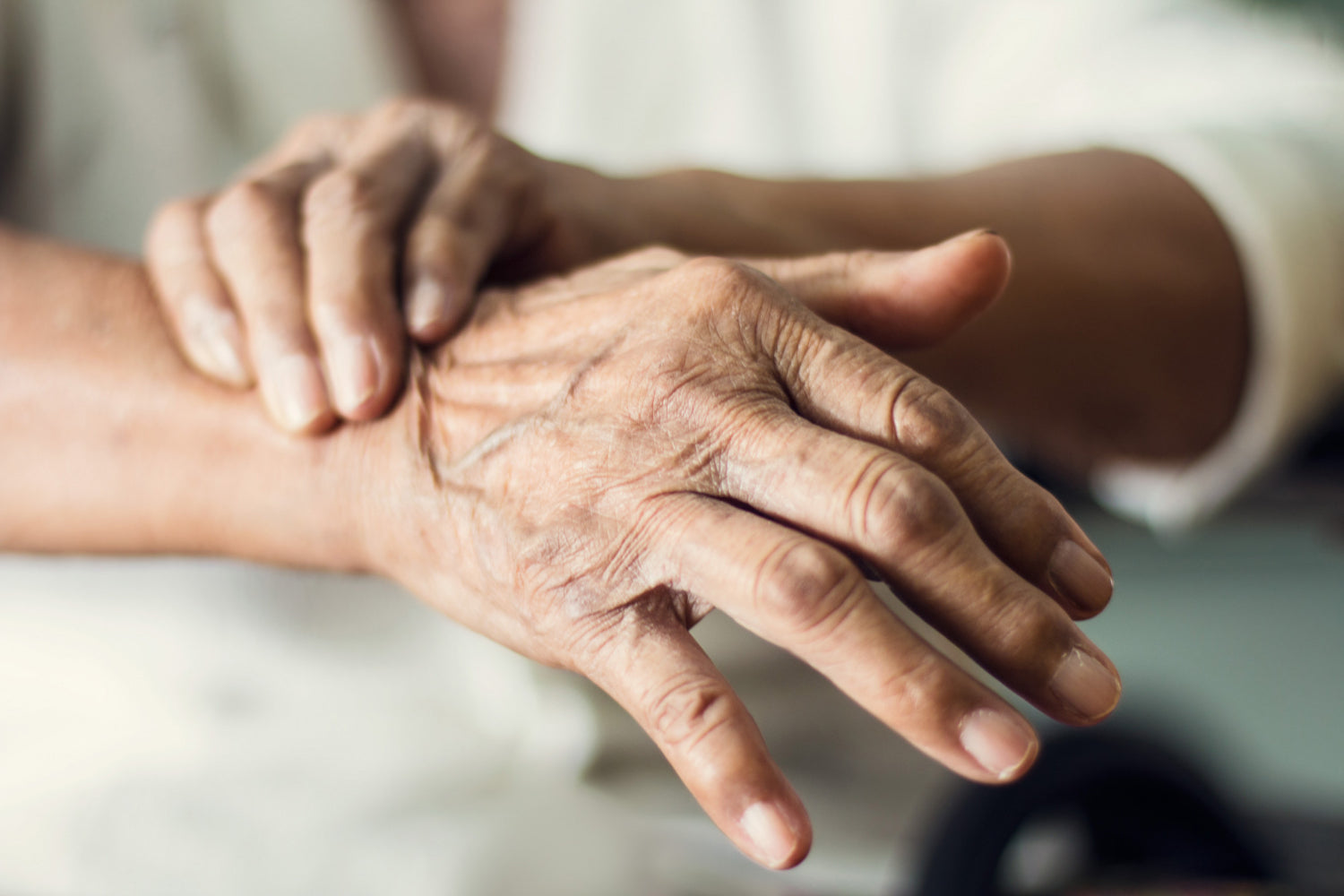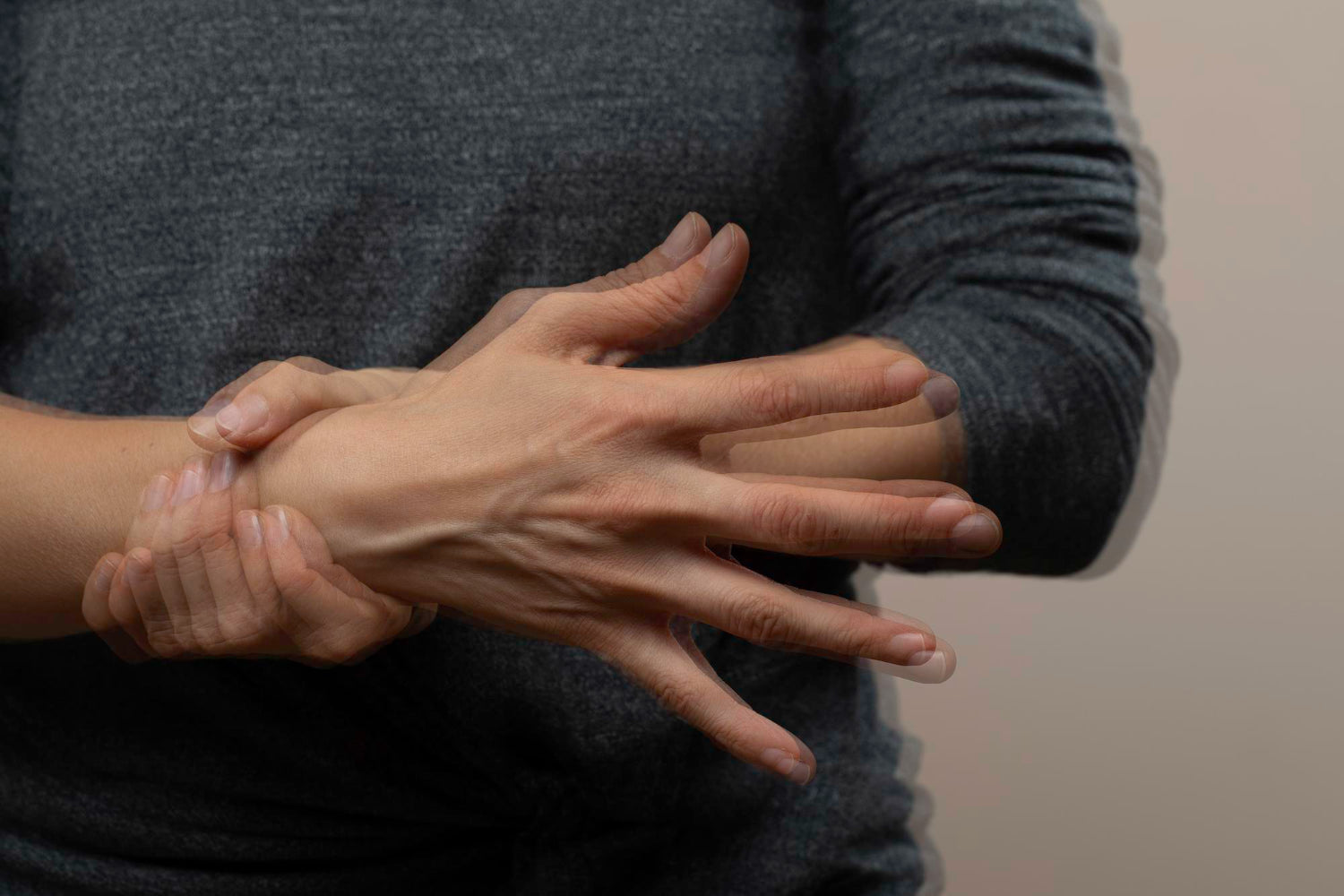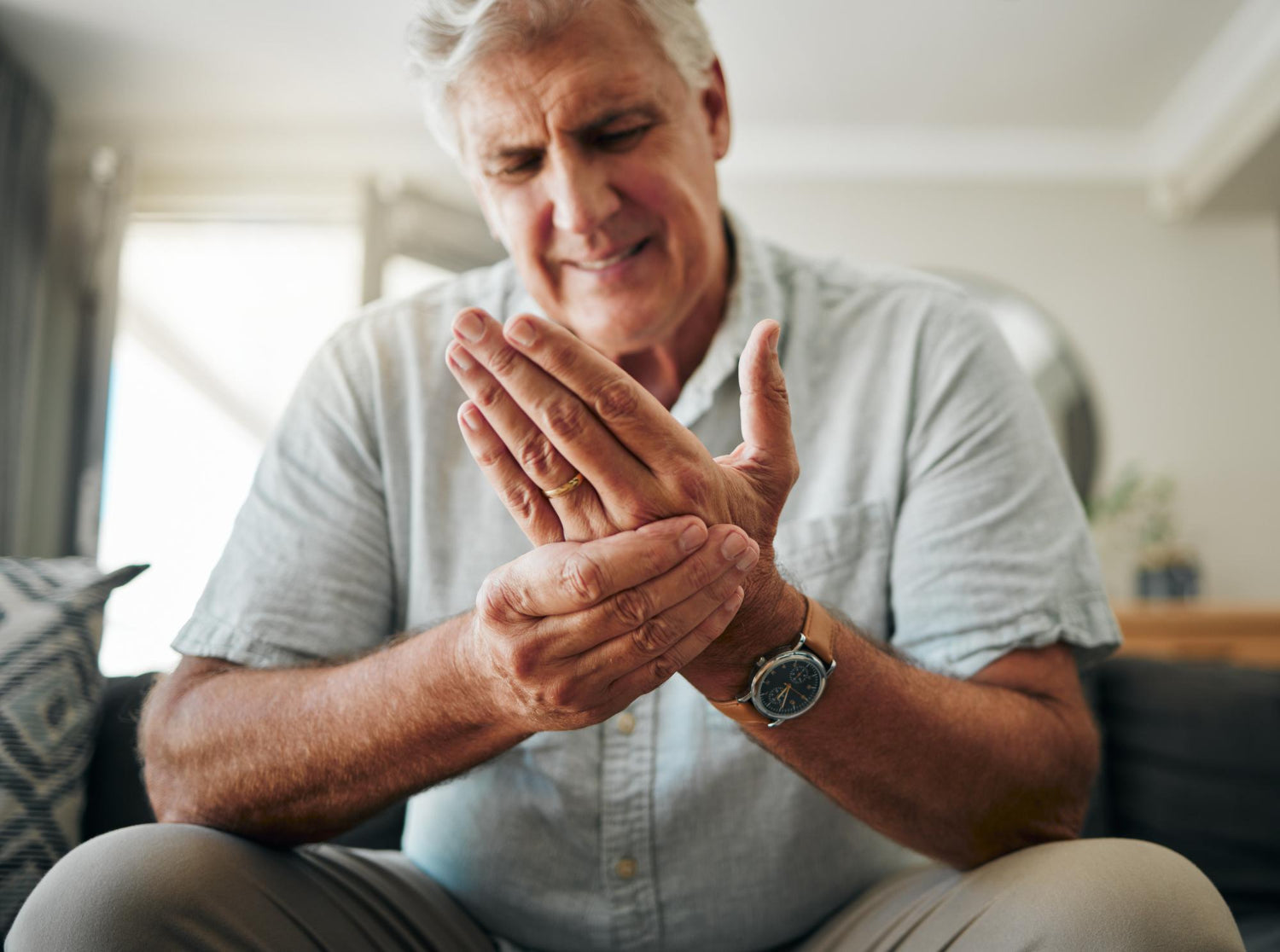

Tremors in elderly people are among the most common neurological symptoms in adults over 60. Not all shaking is the same, and not all of it signals a serious condition. This article explains the primary causes of tremors in seniors, how to distinguish different types, and approaches to managing involuntary shaking in daily life, from medication review to assistive devices.
Why Shaking Becomes More Common with Age
All humans have a baseline physiological tremor that is normally imperceptible. As the motor system ages, the precision of nerve signalling declines and muscle control becomes less efficient. Research from the National Center for Biotechnology Information associates age-related tremor with gradual neurodegeneration in motor pathways. Tremor prevalence increases steeply after age 60, and Essential Tremor affects 4-5% of adults over 65. Age-related tremor is not always a sign of disease, but it warrants evaluation when it affects daily activities or worsens progressively rather than remaining stable.
Essential Tremor: The Most Common Cause of Shaking in Older Adults
Essential Tremor is a neurological disorder that produces involuntary, rhythmic shaking, most commonly in the hands, head, and voice. It is most prominent during action, such as reaching, lifting, or writing, rather than at rest. Symptoms typically begin after age 40 and worsen gradually over time. Essential Tremor affects approximately 10 million people in the United States and is significantly more prevalent in adults over 65. There is currently no cure for Essential Tremor, but several management approaches can meaningfully reduce its impact on daily tasks.
Parkinson's Disease and Tremor: What Distinguishes It from Other Shaking
Parkinson's Disease-related tremor is a resting tremor, most visible when the hand is still and supported, and it typically reduces when the person initiates intentional movement. This directly distinguishes it from Essential Tremor, which worsens during movement. Caused by dopamine-producing cell degeneration in the basal ganglia, Parkinson's Disease tremor is usually unilateral in early stages and accompanied by muscle rigidity and slowed movement. Approximately 80% of Parkinson's Disease patients experience tremor according to the American Parkinson Disease Association. A neurologist evaluation is essential for accurate diagnosis.
Medication-Induced Tremors in Elderly Patients: A Frequently Overlooked Cause
Many seniors take multiple prescription medications, and several drug classes are known to cause or worsen tremors. Antipsychotics, certain mood stabilizers, seizure medications, and some asthma drugs are among the documented causes of tremors in elderly patients. Because medication-induced tremors are frequently reversible with dosage adjustment or substitution, a review of current medications by a pharmacist or physician is an important early diagnostic step. Caregivers who notice new tremors following a medication change should raise this with the prescribing physician before assuming a neurological cause.
Other Medical Conditions That Cause Shaking in Older Adults
Beyond Essential Tremor and Parkinson's Disease, several medical conditions can cause tremors in older adults. Multiple sclerosis disrupts nerve signal pathways through demyelination and can produce intention tremors when the cerebellum is affected. Stroke damage to the cerebellum or basal ganglia may cause persistent post-stroke shaking. Hyperthyroidism produces a fine, rapid tremor through excess thyroid hormone activity. Hypoglycemia, or low blood sugar, can trigger acute shaking that typically resolves once glucose levels normalize. Each of these causes has a distinct management pathway and requires professional diagnosis.
Resting Tremor vs. Action Tremor: Why the Distinction Matters for Diagnosis

Tremors are clinically categorized by when they occur. A resting tremor appears when the limb is fully supported and at rest, a pattern characteristic of Parkinson's Disease. Action tremors occur during voluntary movement and are subdivided into postural tremors, which occur during sustained posture, and intention tremors, which occur during directed movement toward a target. Accurately describing tremor timing to a physician significantly improves diagnostic efficiency. This simple observation, whether shaking happens at rest or during movement, helps determine the most appropriate management pathway.
How Tremors in Elderly Adults Affect Daily Activities and Functional Independence
Even when tremors in elderly adults do not indicate a serious underlying condition, they can significantly affect functional independence. Tasks such as eating, drinking from a cup, writing, applying personal care products, and managing medications become increasingly difficult as tremor severity progresses. The disruption to activities of daily living is the key clinical criterion physicians use to determine whether management intervention is warranted. A thorough functional assessment, noting which tasks are affected and how severely, is an important part of any tremor evaluation.
Lifestyle Factors That Trigger or Worsen Tremors in Seniors
Several lifestyle factors are known to aggravate tremors in elderly adults with underlying neurological conditions. Caffeine stimulates the central nervous system and can intensify involuntary shaking; caffeine reduction is among the primary self-management recommendations for Essential Tremor. Physical fatigue reduces motor control precision. Emotional stress and anxiety trigger hormonal responses that increase tremor amplitude. Excessive alcohol intake, and particularly alcohol withdrawal, can produce severe tremors. Identifying and moderating personal triggers is a practical first step in symptom management alongside any clinical treatment plan developed with a healthcare provider.
Treatment Options for Tremors in the Elderly: Medication, Therapy, and Devices
Treatment for tremors in elderly patients is determined by cause, severity, and the degree of functional impairment. First-line medications such as propranolol and primidone reduce tremor in some patients but do not eliminate it entirely. Physical and occupational therapy improve strength, coordination, and adaptive strategies for daily tasks. Surgical options including deep brain stimulation and focused ultrasound are considered for severe, medication-resistant cases. Assistive devices supplement medical treatment by reducing the functional impact of tremors on everyday activities. A neurologist or movement disorder specialist should guide all treatment planning.
When Should You See a Doctor About Tremors in an Elderly Loved One?
Several presentations of tremors in elderly adults warrant prompt medical evaluation. These include tremors with sudden onset, rapid worsening over weeks rather than months, or tremors accompanied by balance difficulties, speech changes, or cognitive shifts. Any tremor that interferes with taking medications, eating safely, or performing self-care should be assessed by a physician. Early evaluation allows treatable causes, including medication effects and nutritional deficiencies, to be identified and addressed before symptoms progress. A movement disorder neurologist is the appropriate specialist when tremors appear neurological in origin.
How the Steadi-3 Supports Tremor Management for Daily Tasks

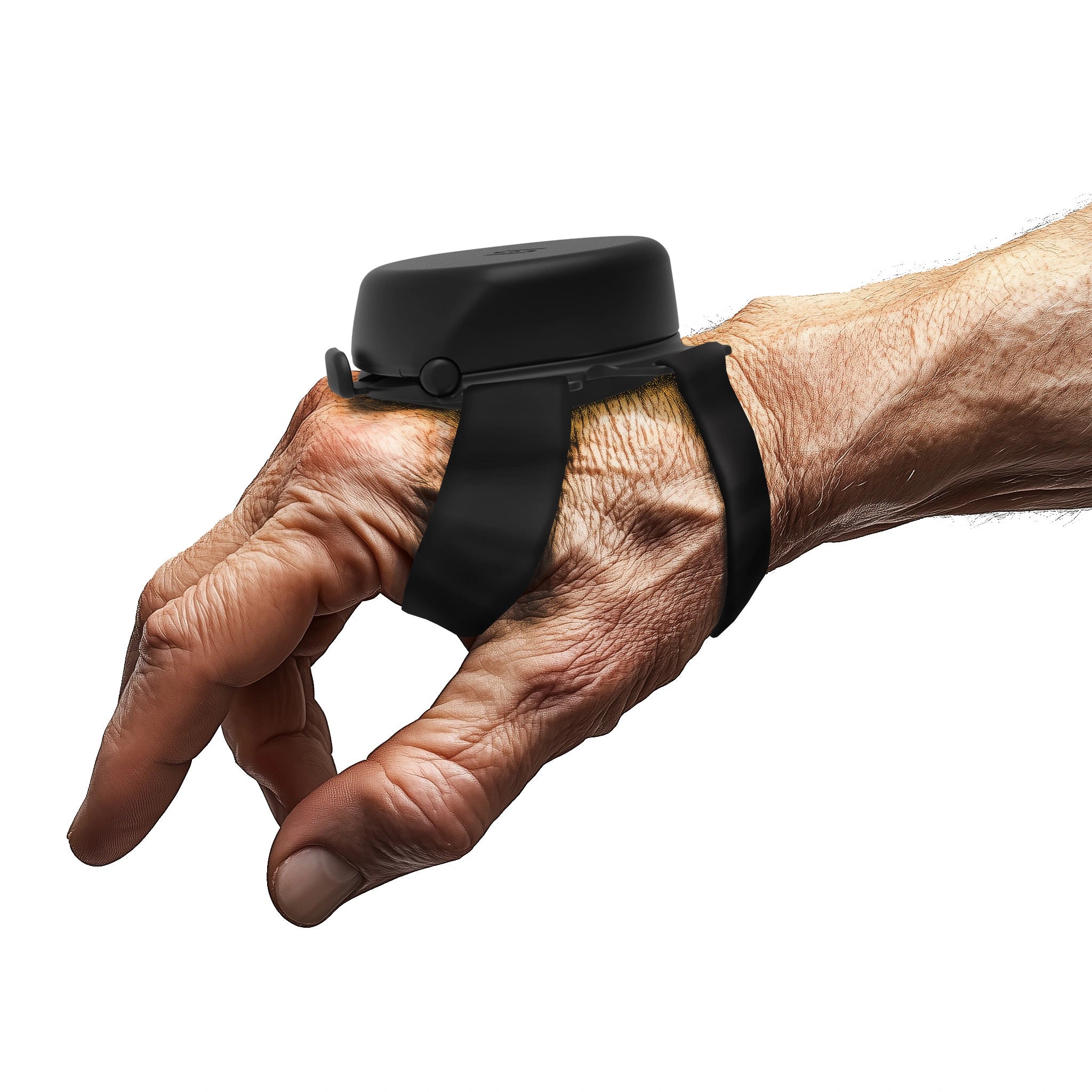
For people managing Essential Tremor or Parkinson's Disease, the Steadi-3 is an FDA-registered Class I medical device that uses passive magnetic stabilization to reduce hand tremors during daily tasks. It requires no batteries, no charging, and no prescription, making it a practical option for seniors who want to maintain functional independence. In a placebo-controlled study, 84% of participants experienced a measurable reduction in tremor. There is currently no cure for Essential Tremor or Parkinson's Disease. The Steadi-3 supports tremor management without replacing a physician's treatment plan. Explore the Steadi-3 tremor glove for more information.
Conclusion
Tremors in elderly people have a wide range of causes, from the common and manageable to the complex and progressive. Essential Tremor and Parkinson's Disease account for most cases, but medication effects, systemic illness, and lifestyle factors also play significant roles. Understanding the cause and type of tremor is the necessary first step toward effective management. There is currently no cure for Essential Tremor or Parkinson's Disease, but a range of treatments and assistive tools can meaningfully support daily function and control. A healthcare provider should be consulted for any new or worsening tremors.