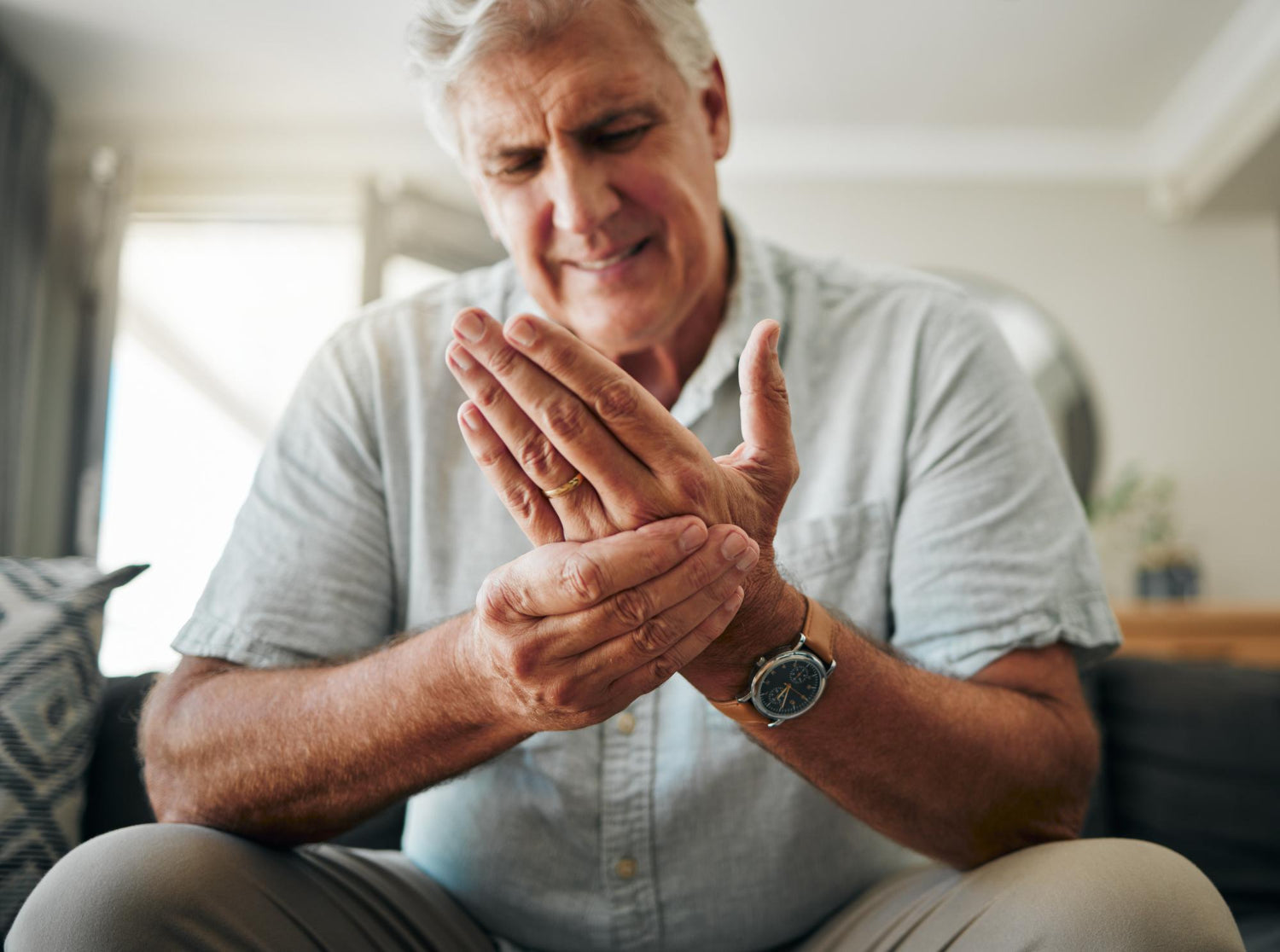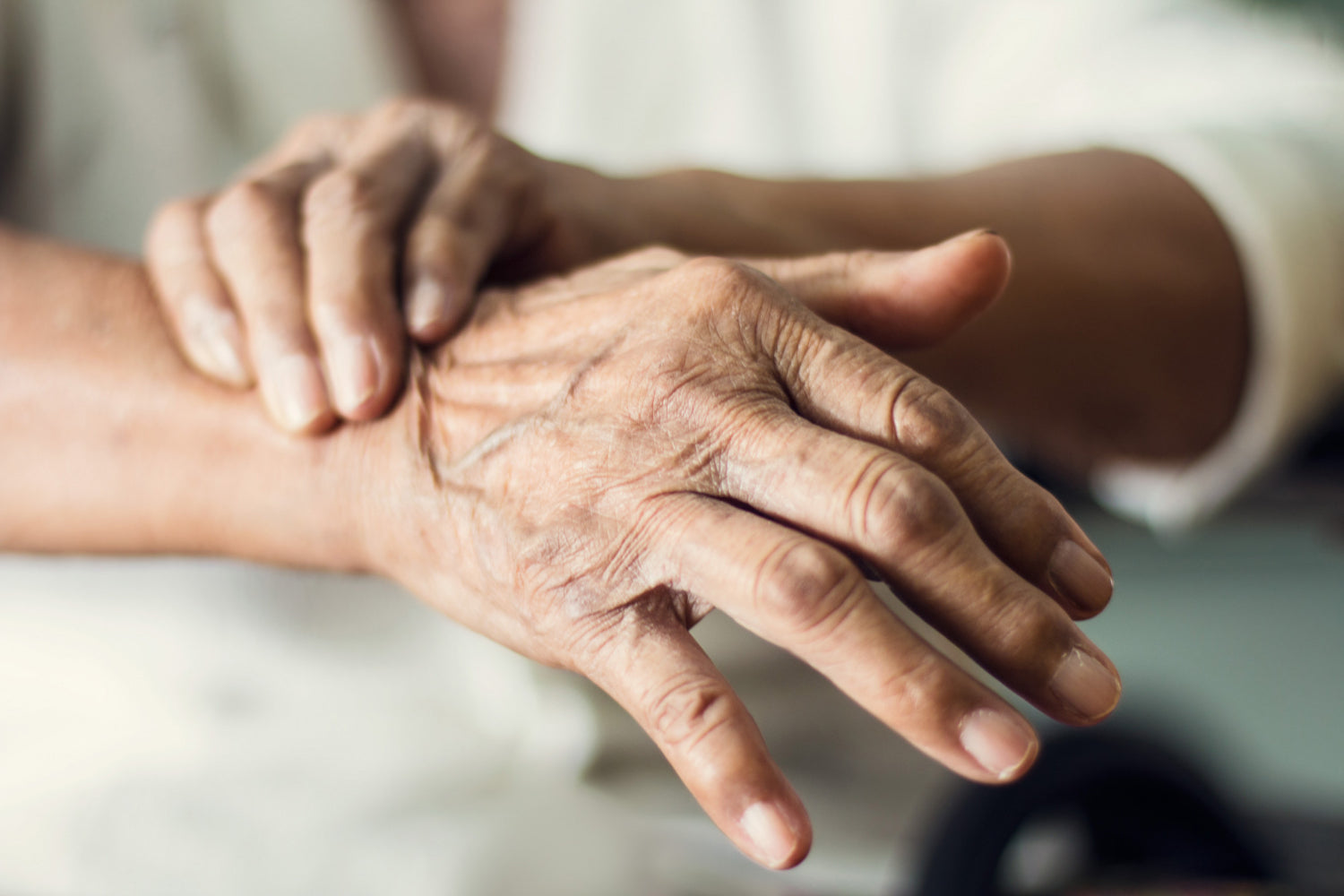

Tremors in elderly people are among the most common neurological concerns that caregivers and older adults bring to a physician's attention. Not all hand tremors signal a serious condition, but some require prompt medical evaluation. This article explains the most common causes of tremors in elderly people, the warning signs caregivers should watch for, and management options to support daily functioning and independence.
What Counts as a Tremor and What Is Considered Normal with Age
A tremor is defined as involuntary, rhythmic, oscillating movement of a body part. Mild physiological tremors are a normal feature of human neuromuscular function and can be triggered by fatigue, caffeine intake, or cold temperatures. These are not clinically significant. Pathological tremors are persistent, progressive, or present at rest, and they indicate an underlying condition that warrants medical assessment. Distinguishing normal shaking from a clinical tremor is the first step a caregiver or patient should take when evaluating new or worsening hand shaking in an older adult.
Action Tremors vs. Resting Tremors: Why the Distinction Matters
Action tremors occur during voluntary movement such as reaching, writing, or holding a cup. Resting tremors occur when the limb is relaxed and not engaged in any movement. This distinction carries significant diagnostic weight. Resting tremors are characteristic of Parkinson's Disease and are most visible when the hand is supported in the lap. Action and postural tremors are more typical of Essential Tremor and worsen during use. Accurately identifying the type present helps a neurologist narrow the differential diagnosis more efficiently during clinical evaluation.
The Most Common Causes of Hand Tremors in Elderly Adults

Essential Tremor is the most common cause of hand tremors in older adults, affecting up to 5% of adults over 65. Parkinson's Disease is less common but important to identify early due to its progressive nature. Medication side effects, including those from seizure drugs, mood stabilizers, and asthma medications, are a frequently overlooked and often reversible cause. Vitamin B12 deficiency and low blood sugar are additional reversible contributors that are identified through routine blood testing. Understanding the range of causes helps caregivers avoid making assumptions about a neurological diagnosis before a physician has conducted a proper evaluation.
Neurological Conditions Linked to Tremors in Older Adults
Essential Tremor tends to run in families and typically worsens progressively over time. Parkinson's Disease tremors are usually unilateral at onset and accompanied by additional motor changes, including rigidity and slowed movement. Multiple sclerosis can cause intention tremors when the cerebellum is demyelinated. Stroke-related tremors tend to appear suddenly and require immediate medical attention, as a rapid onset accompanied by neurological symptoms constitutes a medical emergency. Traumatic brain injury is an additional neurological cause. Each of these conditions has a distinct presentation that a movement disorder neurologist can assess and differentiate.
Medications and Lifestyle Factors That Trigger Tremors in Seniors
Several drug classes commonly prescribed to older adults are known to cause or worsen tremors, including anti-seizure medications, mood stabilizers, certain blood pressure drugs, and stimulants. A medication review with a physician is often one of the first diagnostic steps when new tremors appear in a senior who has recently changed their prescription regimen. Beyond medications, excess caffeine amplifies underlying tremor, and chronic anxiety, emotional stress, and poor sleep lower the tremor threshold. Identifying and adjusting these modifiable triggers can reduce tremor severity while a formal diagnosis is pursued.
Warning Signs: When Tremors in the Elderly Require Prompt Medical Attention
Certain tremor presentations require urgent evaluation rather than a routine appointment. Tremors that appear suddenly over hours or days should be assessed immediately, as this pattern can indicate stroke or another acute neurological event. One-sided tremors affecting only one hand or arm can signal early Parkinson's Disease or stroke. Tremors accompanied by speech difficulty, vision changes, or loss of coordination require emergency evaluation. Progressive worsening over weeks rather than months warrants a referral to a neurologist, regardless of the suspected cause. Caregivers should document the pattern of onset and accompanying symptoms before the medical visit.
How Tremors in Elderly People Affect Daily Tasks and Independence
Even moderate hand tremors can compromise activities that older adults perform independently every day. Eating, drinking from a cup, writing, applying personal care products, and managing pill organizers all require fine motor coordination that tremors disrupt. The impact on activities of daily living, not tremor severity alone, is the key factor physicians use to determine how actively to pursue treatment. Occupational therapy assessment provides a structured way to evaluate functional impact and identify adaptive strategies. Preserving independence in daily tasks is a central goal of any tremor management plan for older adults.
Treatment Options for Tremors in Elderly Adults
Treatment for tremors in elderly patients is guided by cause, severity, and functional impact. First-line medications, including propranolol and primidone, can reduce tremor severity in some patients but do not eliminate tremor entirely. Physical and occupational therapy improve strength, coordination, and compensatory strategies for daily tasks. Deep brain stimulation and focused ultrasound are surgical options reserved for severe Essential Tremor that does not respond adequately to medication. There is currently no cure for Essential Tremor or Parkinson's Disease. A neurologist or movement disorder specialist should guide all treatment planning based on individual presentation.
How to Support an Elderly Loved One with Tremors: A Caregiver Guide
Caregivers play a practical role in both documenting tremors and supporting daily function. Keeping a simple log of when tremors occur, how long they last, and what activity preceded them provides valuable information for the diagnosing physician. Home safety adjustments, including non-slip surfaces and adapted utensils, reduce fall risk and daily frustration. Avoid completing tasks on behalf of a tremor-affected person unless necessary; preserving functional independence supports both physical and psychological well-being. When red-flag symptoms appear, including sudden onset, one-sided tremors, or accompanying neurological changes, prompt medical consultation is appropriate.
Nutritional and Metabolic Factors That May Worsen Tremors in Seniors
Several reversible metabolic causes of tremors in older adults can be identified through routine blood tests. Vitamin B12 deficiency impairs nerve function and can cause or exacerbate hand tremors; it is correctable with supplementation under a physician's guidance. Low blood sugar is especially relevant for seniors with diabetes, and tremors may resolve when glucose levels normalize. Hyperthyroidism accelerates metabolic activity and produces fine tremors distinct from Essential Tremor or Parkinson's Disease patterns. Thyroid screening is a standard component of a tremor workup. Dehydration also impairs neuromuscular function and is an often-overlooked contributing factor in elderly patients.
How the Steadi-3 Supports Daily Control for Older Adults Living with Tremors

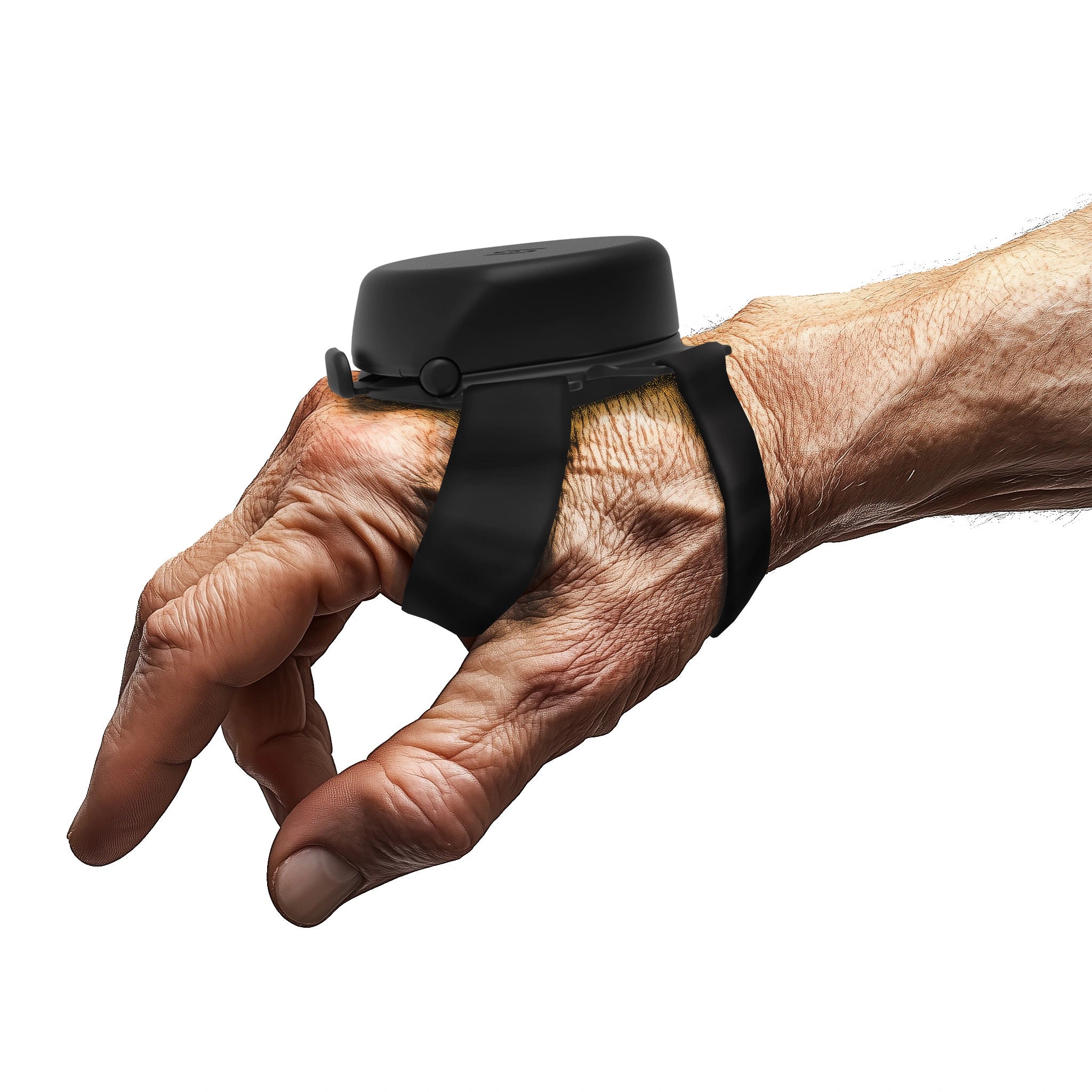
The Steadi-3 is an FDA-registered Class I medical device that uses passive magnetic stabilization to reduce hand tremors during everyday tasks. It is battery-free, requires no charging or prescription, and contains no electronic components, making it a practical option for older adults managing Essential Tremor or Parkinson's Disease. In a placebo-controlled clinical study, 84% of participants experienced a measurable reduction in tremor. There is currently no cure for Essential Tremor or Parkinson's Disease; the Steadi-3 is a management tool for daily control and independence. Explore the Steadi-3 tremor glove for more information.
Conclusion
Tremors in elderly people are common, range from benign physiological causes to neurological conditions requiring treatment, and are often manageable with appropriate medical guidance and practical tools. Most tremors from Essential Tremor or Parkinson's Disease respond to a combination of medical management, assistive devices, and lifestyle adjustments. Caregivers who observe red-flag symptoms including sudden onset, one-sided presentation, or accompanying neurological changes should seek prompt medical evaluation. For any new or worsening tremors, a consultation with a healthcare provider is always the appropriate starting point.