
What causes tremors in the elderly is one of the most common questions caregivers and seniors bring to a physician's office. Tremors in older adults are not inevitable, and causes range from manageable metabolic triggers to chronic neurological conditions. This article explains the most common causes in both categories, covers warning signs that require prompt evaluation, and outlines management options once a cause is identified.
What Is a Tremor? Resting vs. Action Tremors in Older Adults
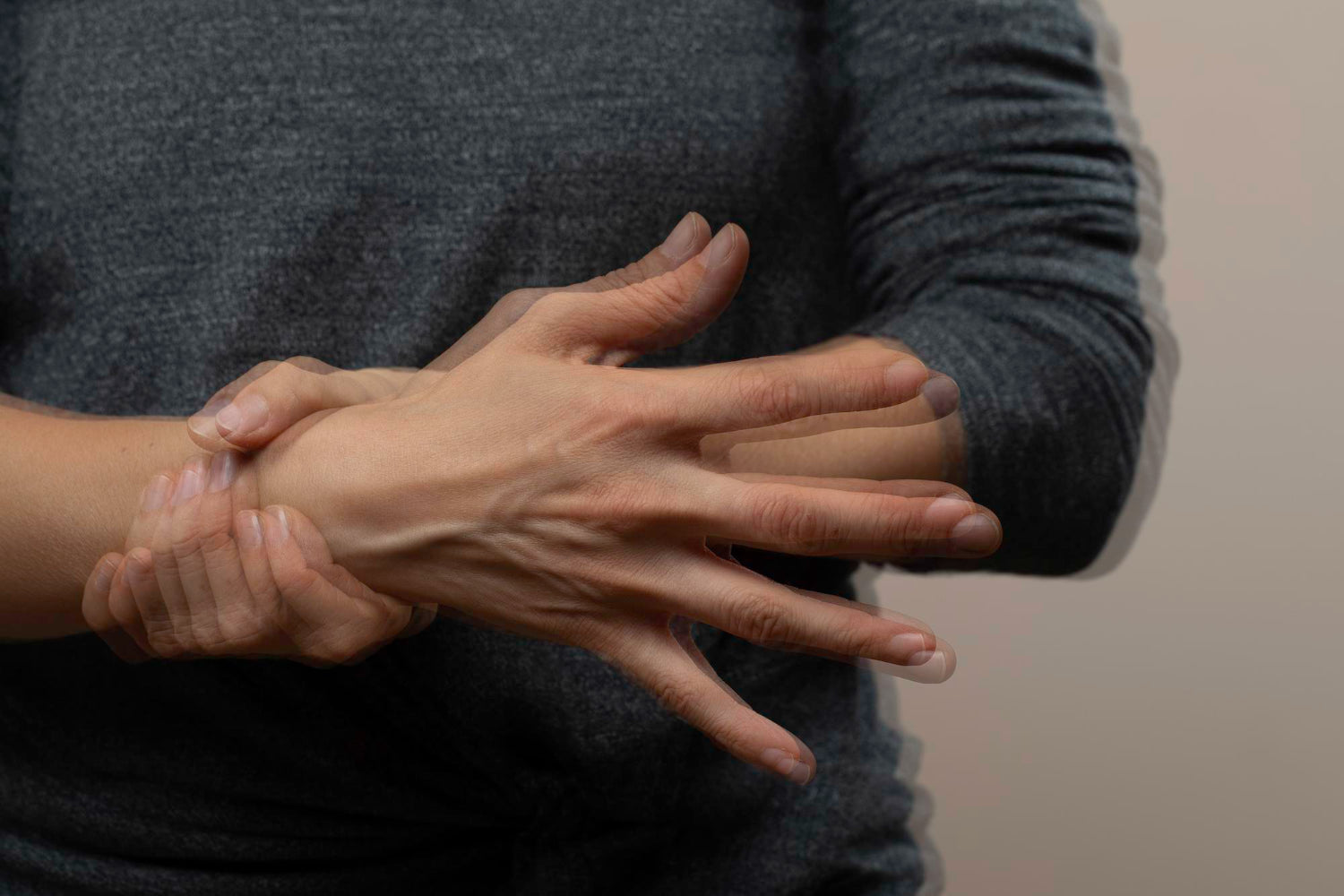
A tremor is involuntary rhythmic shaking caused by alternating muscle contractions. The two primary categories are resting tremors and action tremors. Resting tremors occur when the limb is relaxed and supported, and are the hallmark of Parkinson's Disease. Action tremors occur during voluntary movement and are the hallmark of Essential Tremor. Understanding this distinction helps caregivers accurately describe what they are observing to a physician. The National Institute of Neurological Disorders and Stroke identifies more than 20 distinct tremor types, each with different causes and management approaches.
Essential Tremor: The Most Common Cause of Shaking in Seniors
Essential Tremor is the most frequently occurring movement disorder in older adults, affecting approximately 5% of the global population, with prevalence increasing significantly after age 65. It most commonly affects the hands but can also involve the head and voice. Symptoms typically worsen with stress, caffeine, and fatigue. Essential Tremor is not the same as Parkinson's Disease and does not progress to it. There is currently no cure for Essential Tremor, but symptoms can be managed through medication, physical therapy, and assistive approaches. Essential Tremor condition page.
Parkinson's Disease and Tremors in Older Adults

Parkinson's Disease is the second most common neurological cause of tremors in seniors. The World Health Organization notes that Parkinson's Disease prevalence has doubled over the past 25 years. Approximately 80% of Parkinson's Disease patients experience tremor, according to the American Parkinson Disease Association. The characteristic resting tremor, often described as a pill-rolling motion of the fingers, is caused by degeneration of dopamine-producing neurons in the basal ganglia. Parkinson's Disease tremors typically begin on one side of the body. There is currently no cure, but management can reduce the daily functional impact.
Other Neurological Conditions That Cause Elderly Tremors
Beyond Essential Tremor and Parkinson's Disease, several other neurological conditions can produce tremors in older adults. Multiple sclerosis disrupts nerve signal transmission when the myelin sheath is damaged and can produce tremors when the cerebellum is affected. Post-stroke tremors are uncommon but documented; research published in NCBI indicates they resolve in 28 to 64% of patients within one year. Huntington's Disease causes involuntary jerking movements and is inherited. Traumatic brain injury is an additional category. All of these conditions require professional neurological diagnosis and should not be self-assessed by caregivers.
Medication-Induced Tremors in Seniors: The Overlooked Cause
Prescription medications are a significant and frequently overlooked cause of tremors in older adults. Drug classes commonly associated with tremors include seizure medications, corticosteroids, stimulants, asthma inhalers, and mood stabilizers. Seniors are disproportionately affected due to polypharmacy, the concurrent use of multiple medications. Drug interactions can also produce tremors independently of individual medication effects. Caregivers who suspect a medication cause should consult a physician or pharmacist for a comprehensive review. Seniors should never discontinue or adjust a prescription without medical guidance, as this carries serious health risks.
Metabolic and Lifestyle Causes: Low Blood Sugar, Dehydration, and Anxiety
Several reversible causes of tremors in seniors are tied to metabolic and lifestyle factors. Hypoglycemia, or low blood sugar, causes muscles to lack glucose for normal function, producing transient shaking that resolves with eating. Dehydration impairs nerve conduction and muscle tone and can cause shaking in older adults who underconsume fluids. Anxiety triggers the release of cortisol and adrenaline, which amplify tremor as part of the physiological stress response. Caffeine is a known aggravator for people with existing Essential Tremor. These causes are among the most immediately addressable for caregivers.
Alcohol-Related Tremors and Withdrawal Shaking in Older Adults
Alcohol-related tremors in elderly adults are underreported and can arise from two distinct mechanisms. Chronic alcohol use disrupts nervous system function over time, producing persistent hand tremors even during periods of sobriety. Withdrawal tremors occur when a person who drinks regularly stops suddenly; these can begin within hours and may last weeks. Withdrawal tremors require supervised medical management and should not be managed at home without physician oversight. Moderate alcohol consumption can also worsen existing tremors in someone with Essential Tremor, even without any level of dependence.
Head Tremors in the Elderly: What Causes Shaking of the Head
Head tremors in elderly adults involve involuntary side-to-side or up-and-down motion of the head and are a distinct subtype from hand tremors. Essential Tremor is the most common cause, producing rhythmic head movement that occurs during activity rather than at rest. Cervical dystonia is a separate condition that causes sustained muscle contractions resulting in twisting or abnormal head positioning. Head tremors from Parkinson's Disease are less common than hand tremors. Sudden onset of head tremors in a previously well senior warrants prompt neurological evaluation. Head tremors and voice tremors are related but clinically distinct presentations.
When to See a Doctor: Warning Signs That Require Medical Evaluation
Not all tremors in elderly adults carry the same urgency, but certain warning signs require immediate attention. Sudden tremors accompanied by coordination loss, speech changes, facial drooping, or confusion may indicate a stroke and require emergency care. Tremors that appear rapidly and worsen over days rather than years should be evaluated promptly. Slowly progressing tremors that interfere with eating, writing, or dressing should be assessed by a physician regardless of how mild they may appear to a caregiver. Any new tremor in a senior warrants a medical consultation. A neurologist or movement disorder specialist is the appropriate referral.
Causes of Hand Tremors in the Elderly: A Targeted Summary
The hands are the most commonly affected body part in elderly patients with tremors. Essential Tremor is the leading single cause, producing action tremors during tasks like eating and writing. Parkinson's Disease produces resting hand tremors that are often asymmetric at onset. Medication side effects, low blood sugar, anxiety, and alcohol use are secondary causes that affect the hands as prominently as any other body part. Observing whether shaking occurs at rest or during movement, and whether it affects one or both hands, provides physicians with clinically useful information for faster diagnosis.
Managing Tremors in Seniors: What Options Are Available

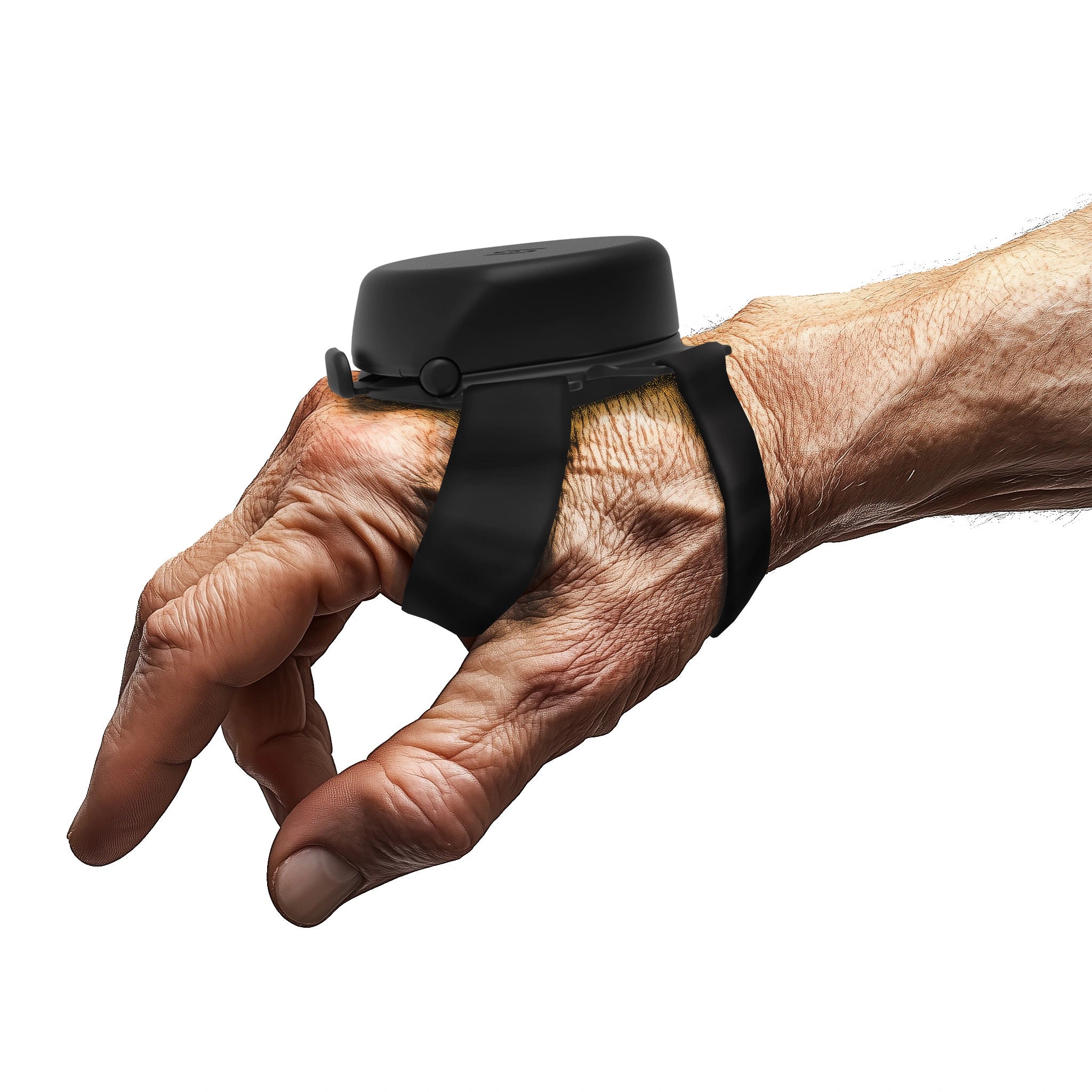
Managing tremors in elderly adults focuses on reducing daily functional impact rather than eliminating the underlying cause. First-line medical options for Essential Tremor include beta-blockers and primidone. Deep brain stimulation is available for severe cases that do not respond to medication. Physical therapy builds compensatory strength and coordination. For daily task support, assistive devices offer a non-pharmaceutical option. The Steadi-3 is an FDA-registered Class I medical device that uses patented passive magnetic stabilization to reduce hand tremors, requires no batteries, and has been validated in a placebo-controlled study showing tremor reduction in 84% of users. Explore the Steadi-3 tremor glove as one management option.
Conclusion
What causes tremors in the elderly spans a wide range of conditions, from neurological disorders to medication effects to reversible metabolic triggers. Essential Tremor and Parkinson's Disease are the most common causes of chronic tremors in seniors. There is currently no cure for either condition, but management options, including medication, physical therapy, and assistive devices, significantly reduce the daily impact. Caregivers who notice new or worsening shaking in an elderly person should consult a healthcare provider rather than waiting for symptoms to progress. A neurologist can identify the cause and develop an appropriate management plan.