Practical Strategies to Curb Hand Shaking and Regain Control
For many of us who experience non-essential tremors, daily life can feel like an uphill battle. The persistent shaking of our hands often disrupts our everyday tasks, leaving us yearning for a semblance of normalcy. However, it's essential to remember that there are practical strategies and non-essential tremor treatment approaches that can manage this condition effectively. This is my journey on how to stop shaky hands and regain control of my life.
Understanding Non-Essential Tremors
Non-essential tremors, unlike their essential counterparts, are typically caused by factors such as stress, anxiety, or excessive caffeine or alcohol consumption. As I found out, the first step in controlling this condition is identifying its root cause. This knowledge helped me devise strategies to stop my hands from shaking and reclaim my life — a personal non-essential tremor treatment plan.
The Main Types of Non-Essential Tremors — What Causes Each One?
When people search for Non-Essential Tremor, they’re often looking for clarity. Unlike Essential Tremor, which is typically considered idiopathic (meaning no single identifiable cause), a Non-Essential Tremor usually has an underlying trigger or condition that can be identified.
In other words, Non-Essential Tremor is an umbrella term. It includes tremors caused by medications, metabolic changes, neurological disorders, or structural brain conditions.
Understanding which type you may be experiencing is critical — because management depends heavily on the cause.
Below are the primary categories.
1. Enhanced Physiologic Tremor
Enhanced physiologic tremor is the most common and often the most reversible form of tremor.
Every person has a normal, invisible physiologic tremor — it’s simply part of how the nervous system regulates muscle tone. However, certain triggers can amplify the baseline tremor and make it more noticeable or disruptive.
Common triggers include:
-
Excess caffeine
-
Sleep deprivation
-
Acute stress or anxiety
-
Low blood sugar (hypoglycemia)
-
Hyperthyroidism
-
Certain medications (stimulants, bronchodilators, corticosteroids, lithium, some antidepressants)
This type of tremor is typically postural or action-related, meaning it appears when hands are held outstretched or during movement.
The key distinction: enhanced physiologic tremor is often triggered by an identifiable, potentially reversible factor.
2. Drug-Induced Tremor (Medication-Related Tremor)
A drug-induced tremor is a distinct category caused directly by medications or substances that affect the nervous system.
Common contributors include:
-
Antidepressants (SSRIs, SNRIs, tricyclics)
-
Antipsychotics
-
Lithium
-
Corticosteroids
-
Immunosuppressants (e.g., tacrolimus)
-
Stimulants
-
Alcohol withdrawal
Unlike enhanced physiologic tremor, a drug-induced tremor may not resolve with lifestyle adjustments alone. It often requires a medication review and possible dosage adjustment or substitution under medical supervision.
If tremor symptoms began shortly after starting a new medication, a physician should be consulted before making any changes.
3. Parkinsonian Tremor
A Parkinsonian tremor is classically described as a rhythmic “pill-rolling” motion of the thumb against the fingers.
Key features:
-
Occurs primarily at rest
-
Often begins on one side (asymmetric)
-
Decreases during voluntary movement
-
May re-emerge when maintaining a posture
This tremor type is most commonly associated with Parkinson’s Disease and related neurological conditions. It differs significantly from enhanced physiologic tremor and from most action tremors.
4. Dystonic Tremor
A dystonic tremor occurs in a body part affected by dystonia — a condition involving abnormal muscle tone and sustained or repetitive muscle contractions.
Characteristics include:
-
Irregular or jerky movement
-
Often position-dependent
-
May partially improve when the body part is repositioned
-
Frequently affects younger individuals compared to other tremor types
Because it behaves differently from typical action tremors, accurate identification is important for proper management.
5. Cerebellar (Intention) Tremor
A cerebellar intention tremor is a kinetic tremor that worsens as the hand approaches a target.
For example:
-
Reaching for a glass may start smoothly
-
The shaking increases as the hand gets closer
This tremor:
-
Is absent at rest
-
Worsens during purposeful movement
-
Is often associated with multiple sclerosis (MS), stroke, cerebellar injury, or chronic alcohol misuse
This category responds differently to treatment compared to enhanced physiologic or Essential Tremor.
6. Neuropathic Tremor
A neuropathic tremor is associated with peripheral nerve damage.
It may occur in conditions such as:
-
Diabetic neuropathy
-
Charcot-Marie-Tooth disease
-
Inflammatory neuropathies
This tremor often coexists with:
-
Weakness
-
Sensory changes (numbness or tingling)
-
Reduced reflexes
Because the tremor originates from peripheral nerve dysfunction rather than central brain signaling alone, management strategies may differ.
Why Classification Matters
Lumping all tremors together can delay appropriate care.
For example:
-
Enhanced physiologic tremor may improve with trigger management.
-
Drug-induced tremor may require medication review.
-
Parkinsonian tremor warrants neurological evaluation.
-
Dystonic or cerebellar tremors may require specialized assessment.
If tremors are new, worsening, asymmetric, or accompanied by other neurological symptoms (such as balance issues, rigidity, or weakness), consultation with a healthcare provider — often a neurologist — is recommended.
Identifying the specific subtype of non Essential Tremor is the first step toward appropriate management and informed decision-making.
Updated Research on Dietary Impacts and Exercises for Tremor Management
Recent studies have continued to shed light on the role of diet and exercise in managing tremors effectively. Nutritionally, certain diets and specific nutrients play a significant role in neurological health. For example, a diet rich in Vitamin B12, omega-3 fatty acids, and magnesium may help improve nerve function and reduce symptoms of tremors. Including foods like leafy greens, nuts, seeds, fish, and whole grains can be beneficial as part of a non-essential tremor treatment routine.
In terms of physical activity, research underscores the importance of targeted exercises. Exercises that enhance fine motor skills, improve muscle strength, and promote relaxation can be particularly effective. Moreover, routine exercises that involve hand-eye coordination can also help stabilize hand movements.
Continuously incorporating the latest findings into your management strategies can provide a more effective approach to controlling non-essential tremors. Always consult with healthcare providers to tailor these recommendations to your specific health needs as part of a comprehensive non-essential tremor treatment plan.
My Journey: How to Stop Hand Shaking

The journey began with recognizing my triggers. I noticed my hands shook more when stressed or after consuming too much coffee. This observation was my first step towards finding a solution.
Lifestyle Modifications
The first strategy I used was making lifestyle changes. I reduced my caffeine and alcohol intake, incorporated regular exercise into my routine, and started practicing stress management techniques. These changes reduced both my anxiety and the frequency of my non-essential tremors, forming an important foundation of my non-essential tremor treatment.
Eating Right to Control Tremors
Eating a balanced diet also played a crucial role in controlling my non-essential tremors. I discovered that certain nutrients, such as Vitamin B1 and Magnesium, could help reduce shaking. I made it a point to include foods rich in these nutrients in my diet, considering it part of my own non-essential tremor treatment strategy.
Regular Exercise
Regular exercise was another essential part of my strategy to stop hand shaking. Engaging in activities that promote hand-eye coordination and fine motor skills, such as painting or playing a musical instrument, helped me regain control over my hands.
Turning to Medical Interventions
While lifestyle changes and dietary modifications were helpful, I also sought medical advice. I explored various treatments, including medications and physical therapy, which proved beneficial in managing my non-essential tremors. These medical steps became the more formal side of my non-essential tremor treatment journey.
Embracing the Journey: From Shaky Hands to Steady Control
The journey was far from easy. There were days when I felt discouraged, and my hands shook a lot. But I learned that consistency was key. Gradually, I began to see a decline in my tremors. Today, I can confidently perform tasks that once seemed daunting.
Regaining Control Over Your Life
It's crucial to remember that everyone's experience with these tremors is different. What worked for me may not work for you. The key is to stay patient and persistent. Don't be disheartened if you don't see immediate results.
Finally, don't hesitate to seek help. Consult with healthcare professionals, share your experiences with others who have gone through a similar journey, and remember - you're not alone. The journey to stop hand shaking may be a challenging one, but the reward of regaining control over your life is immeasurable.
If you're struggling with how to stop your hands from shaking, I hope my journey inspires you. Remember, it's not about a quick fix but a lifestyle change. Be patient with yourself, stay positive, and never give up. You've got this!
Steadiwear for Managing Hand Tremors

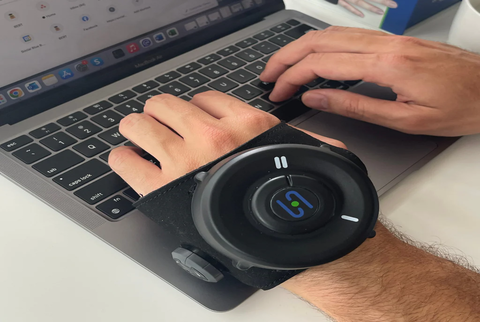
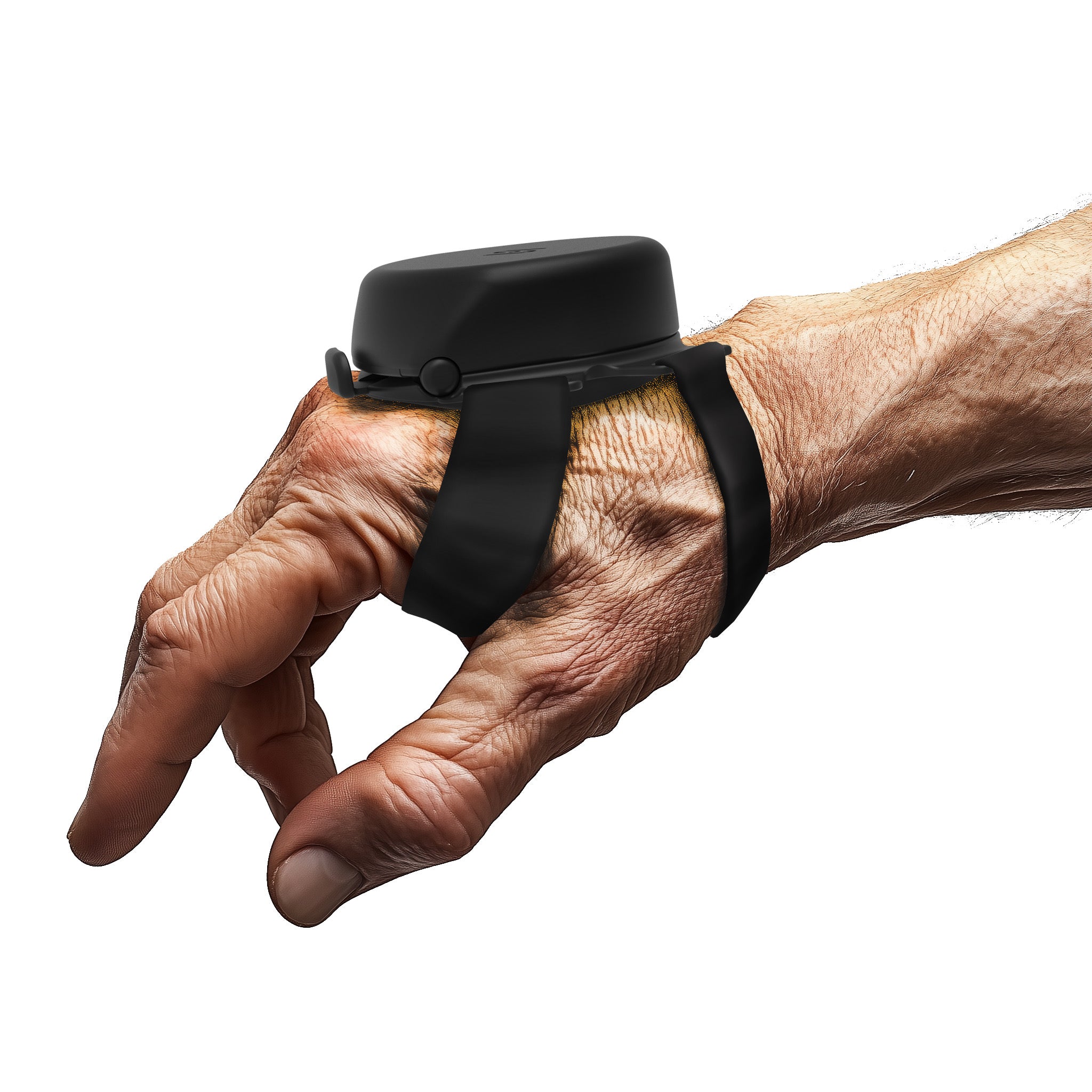
If you're searching for a non-invasive way to manage hand tremors, Steadiwear's latest innovation might be the solution you need. Their Steadi-3 glove is expertly crafted to stabilize hand movements, offering significant relief for those experiencing non-essential tremors. The glove utilizes an advanced smart fluid that responds dynamically to your movements, providing immediate stabilization without relying on pharmaceuticals or surgical interventions. This breakthrough technology can dramatically improve the performance of daily tasks that tremors have made difficult.
The Steadi-3 glove is designed with everyday comfort in mind, being both lightweight and non-obtrusive, which allows for prolonged use throughout the day without discomfort. Its sleek, minimal design ensures that it can be worn discreetly in any setting, whether at work or during social activities.
The glove's technology is based on thorough research, aiming to deliver a high level of efficacy in tremor reduction without the side effects commonly associated with traditional treatment methods. For individuals looking for alternative therapeutic options, the Steadi-3 glove from Steadiwear offers a promising combination of cutting-edge technology and user-friendly functionality, making it an excellent choice for enhancing quality of life.
Conclusion
Managing non-essential tremors involves a combination of understanding the triggers, making lifestyle adjustments, and seeking the right medical advice. Remember, each individual's experience with tremors is unique, and what works for one person may not work for another. Patience and persistence are key in finding the right balance of treatments that work for you. Embrace the journey of self-discovery and adjustment, and don't hesitate to reach out for support from healthcare professionals and communities. Regaining control over your tremors is a gradual process, but with the right strategies and non-essential tremor treatment methods, you can significantly improve your quality of life.
Resources:
How Much B12 Should I Take for Tremors? – WellWisp
Risks of Low Magnesium – Verywell Health
Understanding Tremors: The Importance of Diet – ELCA
10 Foods That Can Help Reduce Hand Tremors Naturally – Natural Health News
Non-Pharmacological and Non-Surgical Treatment Options for Essential Tremor – ScienceDirect
Clinical Effectiveness of Non-Pharmacological and Non-Surgical Treatments – ScienceDirect
Prospective Home-Use Study on Non-Invasive Neuromodulation – Tremor Journal
PDF: Prospective Home-Use Neuromodulation Study – Stanford NMBL
New Treatment Proves Safe, Effective for Tremors – UNC-Chapel Hill