
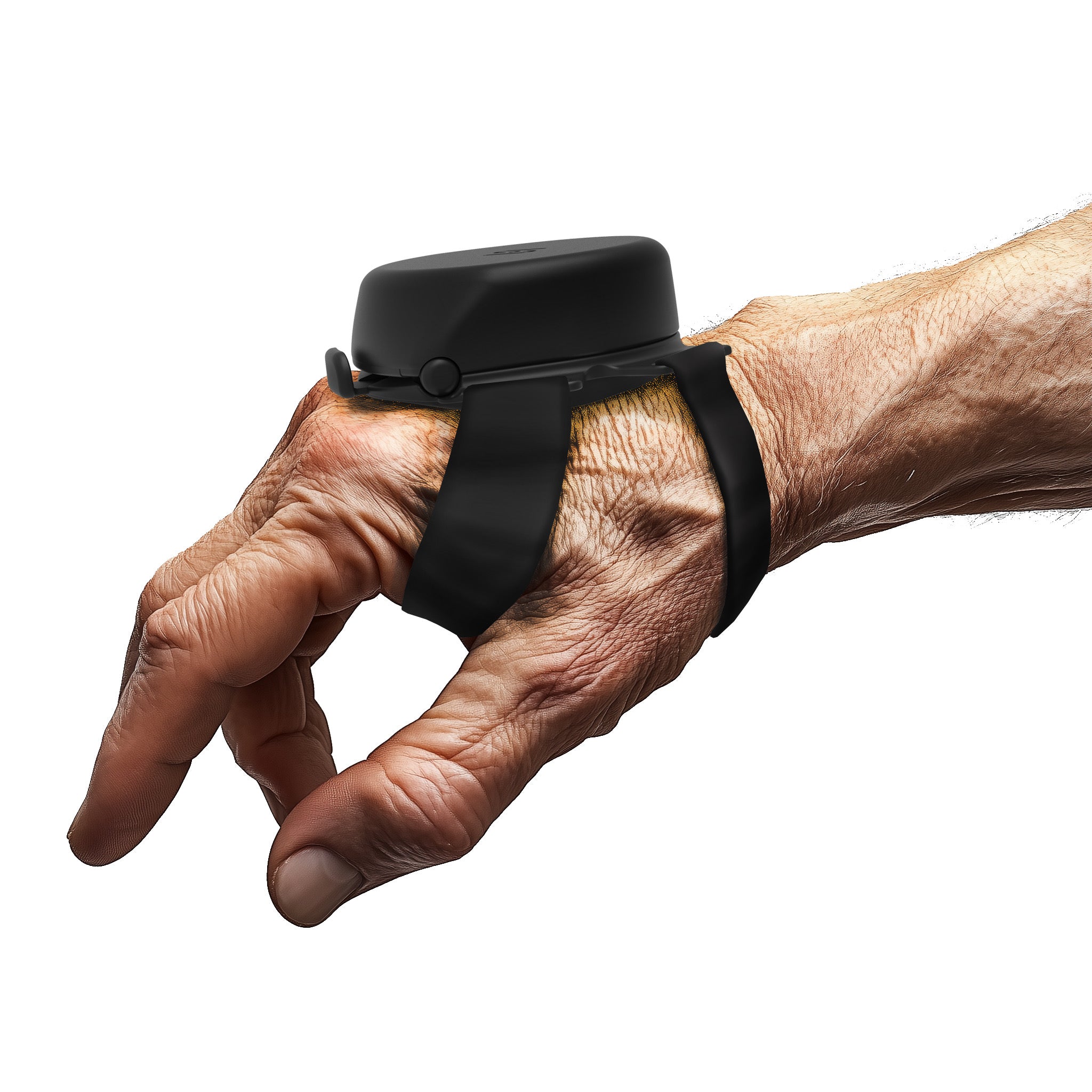
My Personal Journey Managing Essential Tremor With Assistive Devices
For years, I struggled with a neurological disorder commonly known as Essential Tremor (ET). This disorder caused my hands to shake uncontrollably, making daily tasks exceedingly difficult. In my quest to regain control over my life, I discovered two remarkable tools: weighted gloves for tremors and anti-tremor devices. Here's my story of how I managed my Essential Tremor.
The Emergence of My Essential Tremor
At first, my tremors were subtle. They were easy to dismiss as mere nervousness or exhaustion. But as time went on, these tremors became a persistent nuisance. From signing a check to sipping a cup of coffee, no task was too small to escape the grasp of these tremors. I knew I had to find a solution.
Discovering a Weighted Glove for Tremors
My first discovery was a weighted glove for tremors. These specially designed gloves have weights strategically placed throughout, creating resistance that helps steady the hand.
The first time I put on my weighted glove, I was skeptical. They felt heavy and awkward, but I was desperate for relief. As days turned into weeks, I started to notice a significant improvement. My hand tremors reduced considerably, making mundane tasks manageable once again. The gloves worked by strengthening and stabilizing muscles, helping to counterbalance the tremors.
My Experience with Anti-Tremor Devices
While the weighted gloves were an excellent start, they were not a complete solution. My journey led me to the subsequent discovery: anti-tremor devices.
These innovative tools use technology to counteract the shaky movements caused by ET. When I first held an anti-tremor device, it felt like a revelation. It worked by creating a counter-vibration that helped stabilize my hand. The effect was immediate and profound. My hands felt steadier, making daily tasks easier to perform.
Comparing Device Types: Which Works Best?
When people search for “weighted gloves vs anti-tremor devices," they’re usually trying to answer a very practical question: "Which option fits my needs, lifestyle, and budget?" The reality is that no single device works best for everyone. Understanding how different device types for Essential Tremor function can help you make a more informed, confident decision.
Weighted Gloves
Weighted gloves are often the first option people try. They are relatively low cost (typically $50–$200, often over the counter), require no batteries, and are simple to use. These gloves rely on added mass to provide passive resistance, which may help dampen tremor during certain movements.
However, because the approach is entirely passive, results can be inconsistent. Some users experience mild stabilization, while others notice little change. Effects are usually immediate, but often limited, and comfort can vary with prolonged wear.
-
Best for: Mild tremor, budget-conscious users, short-duration tasks
-
Limitations: Passive-only approach, slower or minimal functional improvement for some users
Smart and Electrical Anti-Tremor Devices
Smart or electrical devices—such as neuromodulation-based wearables—take a very different approach. These devices use active stabilization or electrical stimulation to influence tremor expression in real time. They often show faster functional results, but come with trade-offs: higher cost (often $1,000+), battery dependence, ongoing charging, and, in many cases, a prescription requirement.
Some users also experience an adaptation period of 2–4 weeks, during which effectiveness may gradually improve. Insurance coverage may help offset costs, but eligibility varies.
-
Best for: Users seeking active stabilization and structured clinical pathways
-
Limitations: Higher cost, complexity, charging, and prescription requirements
Mechanical (Non-Electrical) Devices
Mechanical anti-tremor devices—sometimes compared to Tremelo-style systems—use internal mechanics rather than electronics to reduce tremor. These devices are non-invasive, battery-free, and focus on damping motion through engineered resistance. They are often worn on the arm or wrist rather than the hand itself.
While effective for some users, these devices may be less portable and less integrated into fine motor tasks compared to glove-based solutions.
-
Best for: Users who want non-electrical stabilization and arm-focused support
-
Limitations: Bulkier form factor, reduced task-specific flexibility
Utensil-Specific Devices
Task-specific tools—such as stabilized spoons or writing aids—can be extremely effective for single activities like eating or writing. Because they are purpose-built, they often deliver strong results in that narrow context. However, they are not designed for all-day use and work best as a complement, not a standalone solution.
-
Best for: Eating, writing, or task-specific precision
-
Limitations: Limited to specific activities
Combination Approaches Are Common
Many people ultimately find that a combination approach works best. For example, wearing a Steadi-3 anti-tremor glove for general daily activities while using a smart utensil during meals allows users to match the tool to the task. This flexibility is especially helpful as tremor severity can change throughout the day.
Cost, Trial, and Personal Fit Matter
From a cost-benefit perspective, device prices vary widely—from OTC weighted gloves to FDA-registered devices like the Steadi-3 ($799 USD) and prescription-based electrical systems that can cost significantly more. Because tremor device effectiveness varies widely by individual, trials and return policies are critical before committing to higher-cost options.
How I Managed My Essential Tremor Naturally
Although there is no cure for Essential Tremor, when I combined the use of weighted gloves and anti-tremor devices, I regained control over my hands. This included regular exercise, a balanced diet, and stress management techniques. I also found that reducing caffeine and alcohol intake made a significant difference.
The journey was not easy. It required patience, commitment, and a lot of trial and error. But the results were worth it. My essential tremor is now a thing of the past, and I have this incredible device to thank for it.
The Importance of Personalized Care
Remember, each person's experience with essential tremor is unique. What worked for me might not work for everyone. It's critical to consult healthcare professionals and explore different options to find the best device or strategy for you.
In conclusion, weighted gloves for tremors and anti-tremor devices have played a significant role in my journey to manage my Essential Tremor. They allowed me to regain control over my life and gave me hope when I needed it the most. If you're struggling with ET, I encourage you to explore these tools and remember that there is hope. The journey may be challenging, but the reward is worth it.

