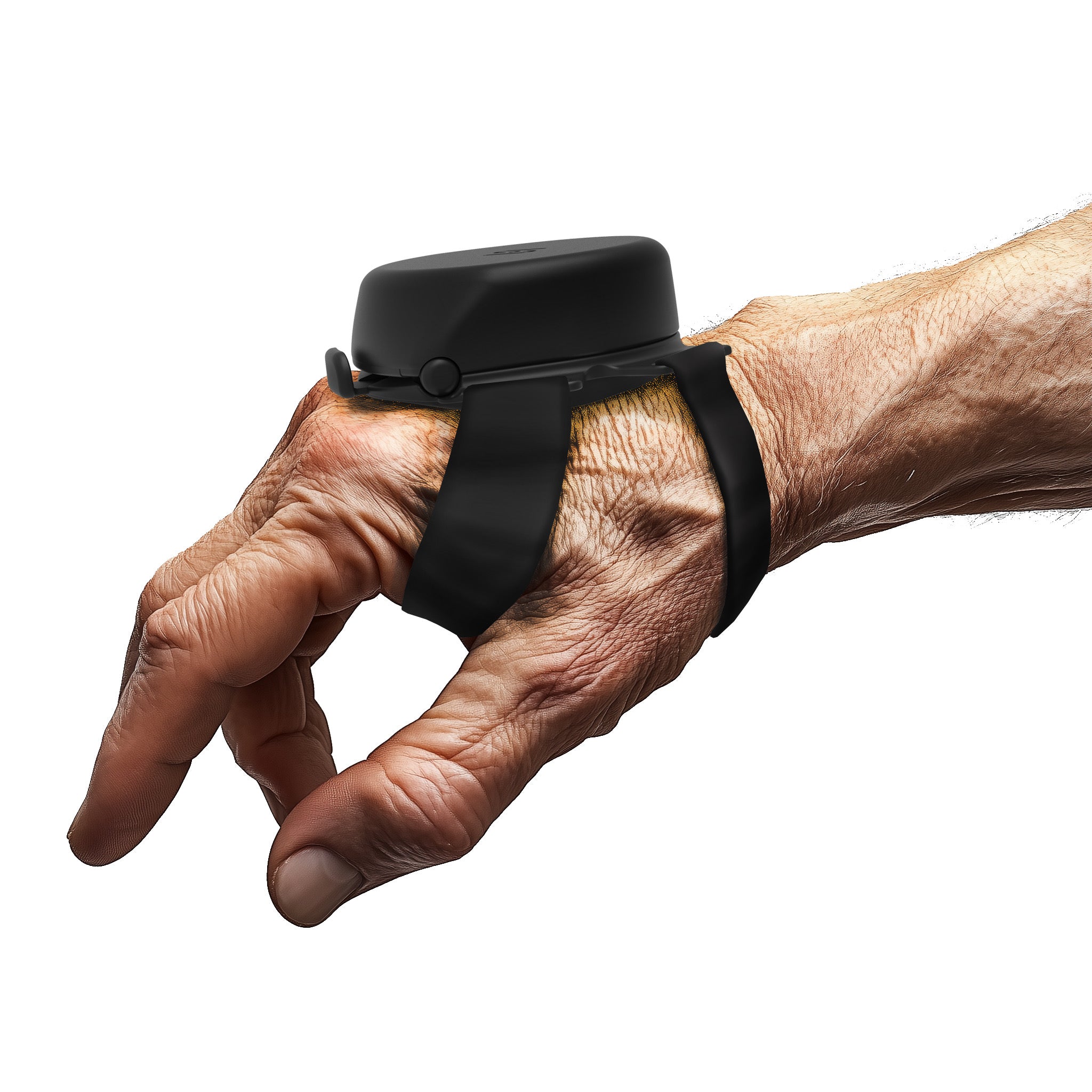
Shaky hands are a common phenomenon that many people experience and it can be due to a variety of factors. From anxiety and lack of sleep to excessive caffeine intake and medical conditions like Essential Tremor and Parkinson's disease, understanding the cause of shaky hands is crucial. Let's explore these causes and how to address them effectively.
What Causes Shaky Hands?
There are several reasons why your hands might be shaking:
-
Essential Tremor
This is a common neurological condition that often runs in families. While it's not life-threatening, it can be frustrating.
-
Medication Side Effects
Sometimes, the medicines we take can lead to unwanted side effects, including hand tremors.
-
Anxiety
When you're stressed or anxious, your body releases hormones that can cause your hands to shake. It’s your body's way of responding to stress.
-
Lack of Sleep
Sleep is crucial for your body to function properly. When you're not getting enough rest, your body might react by trembling.
-
Too Much Caffeine
That extra cup of coffee might be the culprit. Caffeine stimulates your nervous system, which can lead to shakiness.
-
Underlying Health Conditions
In some cases, shaky hands could be a sign of something more serious, like Parkinson's disease or hyperthyroidism
How to address shaky hands?

The good news is that there are ways to manage or even stop the tremors, depending on what’s causing them:
-
Managing Anxiety
If anxiety is the cause, practicing deep breathing exercises and other relaxation techniques can help calm your nerves and steady your hands.
-
Better Sleep
Improving your sleep habits can make a big difference. Aim for a regular sleep schedule and a restful environment to reduce tremors related to fatigue.
-
Cutting Back on Caffeine
Consider reducing your caffeine intake. Switching to decaf or limiting your consumption might help alleviate the shaking.
-
Seeking Medical Advice
If you’re concerned that a serious condition might be causing your tremors, it’s important to see a doctor. They can provide a proper diagnosis and recommend treatments, which might include medication or innovative devices like the SteadiTwo glove designed specifically to reduce hand tremors.
Types of Hand Tremors: What’s the Difference?
If you’re experiencing shaking hands or wondering, “Why are my hands shaking?” you’re not alone. Tremors can feel alarming, but not all tremors are the same. Understanding the types of hand tremors can help you and your healthcare provider identify the underlying cause and determine the most appropriate next steps.
Below is a breakdown of the most common tremor classifications.
1. Resting Tremors
A resting tremor occurs when the muscles are relaxed — for example, when your hands are resting in your lap or at your sides. The shaking often decreases or disappears when you intentionally move your hand.
Resting tremors are most commonly associated with Parkinson’s Disease. They often appear as a rhythmic “pill-rolling” motion of the fingers. If your shaky hands are most noticeable when you’re not actively using them, a resting tremor may be the reason.
2. Action Tremors (Including Postural Tremors)
An action tremor happens when the hand is actively being used. This category includes several subtypes, but the most common is a postural tremor, which occurs when holding the hands outstretched against gravity, such as when reaching for a cup or holding a utensil.
Action tremors are most commonly associated with Essential Tremor, one of the leading neurological causes of hand shaking. If your hands shake more while writing, eating, or performing daily tasks, this type of tremor may be involved.
3. Physiologic Tremors
Everyone has a very mild, natural tremor called a physiologic tremor. It’s usually so subtle that it’s invisible to the eye. This is a normal part of the body's muscle control.
In most cases, physiologic tremors don’t interfere with daily life and don’t require treatment.
4. Enhanced Physiologic Tremors
Sometimes, that normal baseline tremor becomes more noticeable. This is called an enhanced physiologic tremor.
Common triggers include:
-
Caffeine
-
Stress or anxiety
-
Lack of sleep
-
Low blood sugar
-
Certain medications
If you’ve ever had shaky hands after too much coffee or during a stressful moment, you’ve likely experienced this type. Addressing the underlying trigger often reduces the shaking.
5. Intention Tremors
An intention tremor becomes more pronounced as your hand moves closer to a target — for example, when trying to touch your finger to your nose. The shaking worsens during precise movements.
This type of tremor is often associated with conditions affecting the cerebellum, such as multiple sclerosis (MS) or stroke-related damage. It is less common than other forms but is important to identify during medical evaluation.
Why Identifying the Type of Tremor Matters
If you’re asking, “Why are my hands shaking?”, the answer depends largely on which type of tremor you’re experiencing. Resting tremors, action tremors, and enhanced physiologic tremors can look similar at first glance — but they may have very different underlying causes.
A healthcare provider, often a neurologist, can evaluate:
-
When the tremor occurs (at rest or during movement)
-
How long it has been present
-
Whether other neurological symptoms are involved
-
Family history of Essential Tremor or other conditions
Correctly identifying the types of hand tremors is a critical first step toward proper diagnosis and management.
If your shaky hands persist, worsen, or interfere with daily activities like writing, eating, or dressing, consider speaking with a healthcare professional. Early evaluation can provide clarity — and in many cases, options to help improve stability and independence.
In conclusion
Don’t let shaky hands hold you back. Identifying the cause is your first step to control. Whether it’s stress, diet, or something more serious, a quick consult with your doctor can make all the difference. Remember to take care of yourself, always.