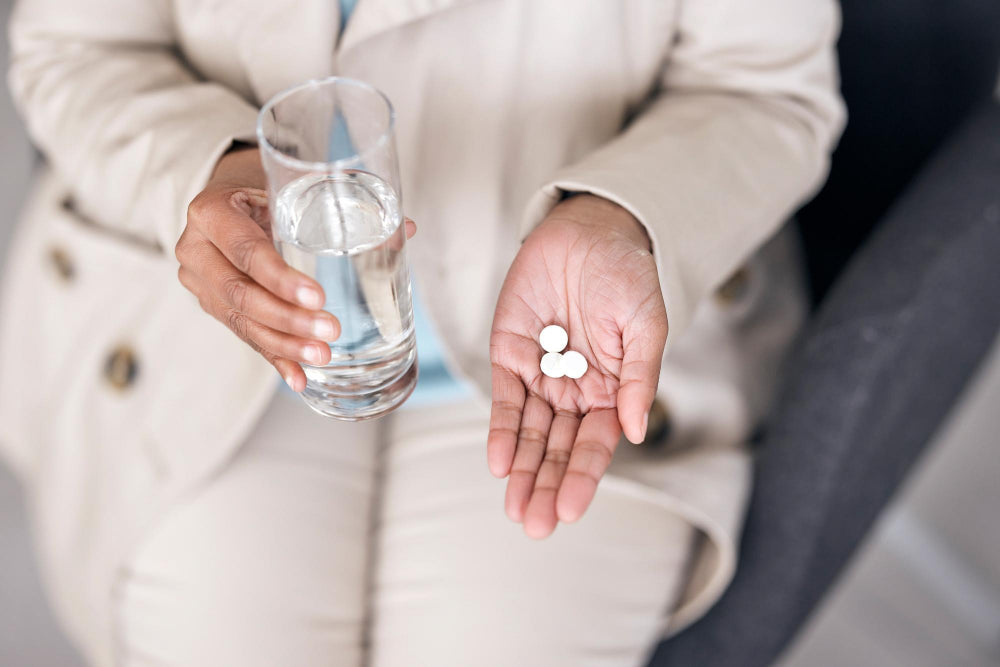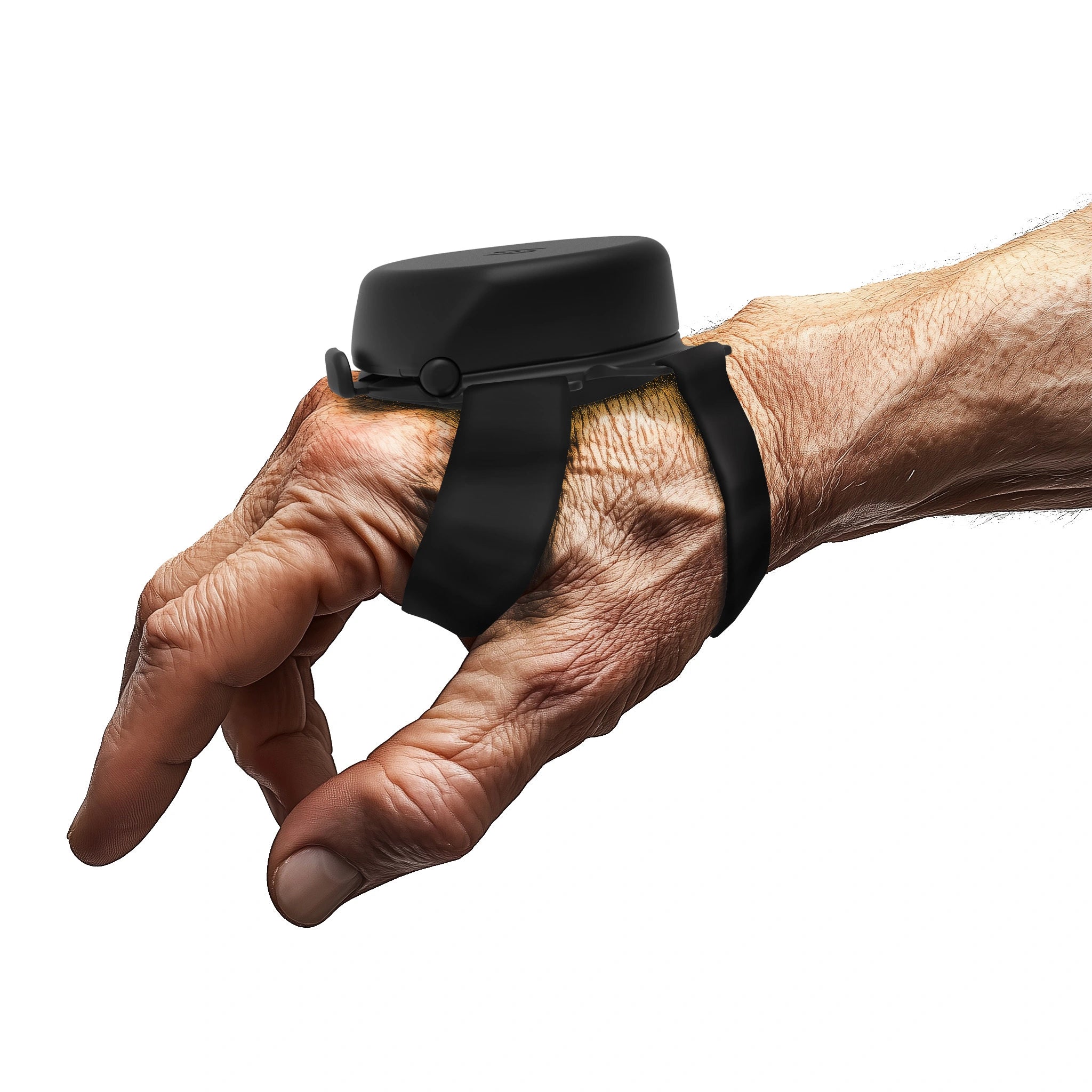
New Essential Tremor treatments in 2026 include a medication under FDA review, research into focused ultrasound on both sides of the brain, closed-loop deep brain stimulation and a growing group of wrist-worn devices. This update covers only what is new. For a full guide to current medications, devices and surgery, see our hub on treatment for Essential Tremor. There is currently no cure for Essential Tremor, and none of the options below is available to everyone, so talk with your healthcare provider before making any treatment decision.
Key takeaways
-
Ulixacaltamide, an investigational medication, is under FDA review with a target action date of January 29, 2027.
-
Focused ultrasound on both sides of the brain and closed-loop deep brain stimulation are in research and are not standard care.
-
Wrist-worn nerve stimulation devices cleared by the FDA in 2025 and 2026 add prescription options between medication and surgery.
-
Propranolol and primidone remain the standard first-line medications today.
A new medication: ulixacaltamide
For decades, Essential Tremor medication has meant propranolol and primidone, and no new drug has proven consistently better. Ulixacaltamide may change that. It is a selective T-type calcium channel inhibitor developed by Praxis Precision Medicines, designed to block the abnormal firing in the brain circuit linked to tremor.
The drug was tested in the Essential3 phase 3 program, and the company submitted its new drug application to the FDA in February 2026. The FDA accepted the application for review on April 14, 2026 and set a target action date of January 29, 2027. In August 2026, Praxis reported that the mid-cycle review meeting was complete, that the FDA had identified no major safety or efficacy concerns to date, and that no advisory committee meeting was planned.
Ulixacaltamide is not approved yet, and approval is not guaranteed. It is not available outside clinical trials. Until the FDA decides, propranolol and primidone remain the standard first-line choices, and your neurologist can tell you whether a trial is worth exploring.
Focused ultrasound on both sides of the brain

MRI-guided focused ultrasound is currently FDA-approved for treatment on one side of the brain in a single session. Researchers, including a team at UNC Chapel Hill, have studied treating both sides in two separate sessions. Patients with tremor in both hands reported improvements in activities such as music and sports that had become difficult.
Bilateral treatment is not yet approved. Focused ultrasound also creates a permanent lesion, so it cannot be adjusted or reversed, and careful candidacy screening remains essential. If regulators approve bilateral treatment, people with tremor on both sides may have another option to discuss with their specialist before considering deep brain stimulation.
Closed-loop deep brain stimulation
Conventional deep brain stimulation (DBS) delivers constant, preset electrical pulses. Closed-loop systems work differently: they detect tremor-related brain signals and adjust stimulation in response. Early studies suggest this approach may control tremor with fewer side effects and longer battery life between replacements, and clinical trials are underway, including at the University of Florida.
Closed-loop DBS is not standard care yet. Improved imaging and programming tools are also making conventional DBS more precise. To understand how standard DBS works today, read our guide to deep brain stimulation for Essential Tremor.
Wrist-worn nerve stimulation devices

A newer group of devices applies electrical stimulation to nerves in the wrist to reduce hand tremor. The Felix NeuroAI Wristband received FDA 510(k) clearance in July 2025, and Encora Therapeutics announced 510(k) clearance for its wrist-worn device in March 2026. Both are prescription devices, which means a healthcare provider is part of the process.
A 2024 review in Tremor and Other Hyperkinetic Movements noted that many non-drug devices for Essential Tremor have limited or no published clinical trial data. When you compare devices, ask what evidence supports each one, and ask your provider how a device fits with your medication.
What these developments mean for you
Standard care has not changed yet. Medication is still the usual first step, and surgery is still reserved for severe tremor that has not responded to medication. What has changed is the pipeline: a possible new drug, more precise surgical options and more devices between medication and surgery.
Options available today include passive wearable devices. The Steadi-3 Plus is an FDA-registered Class I medical device that uses passive magnetic stabilization, and you can learn more on the Steadi-3 Plus product page. For a side-by-side view of what is available now, read the full guide to Essential Tremor treatment options, and for background on the condition, see our Essential Tremor guide. If medication is not working well for you, our guide to propranolol for Essential Tremor explains the next steps.
Sources
-
Praxis Precision Medicines, FDA acceptance of the ulixacaltamide new drug application, April 14, 2026. GlobeNewswire
-
An Update on Devices for Essential Tremor Treatment. Practical Neurology, 2026. Practical Neurology
-
Adabi K, Ondo WG. Shaking Up Essential Tremor: Peripheral Devices and Mechanical Strategies to Reduce Tremor. Tremor and Other Hyperkinetic Movements, 2024. PubMed