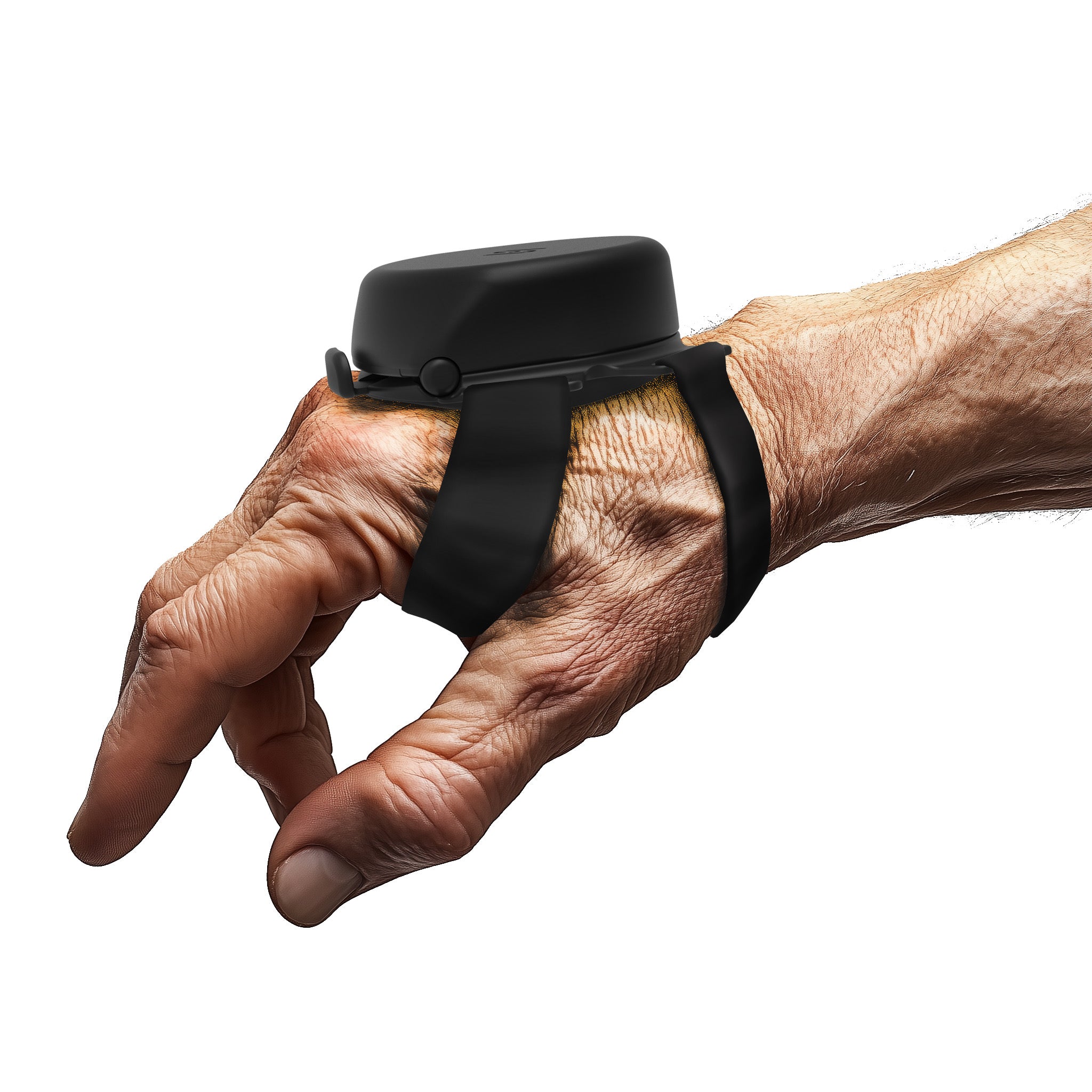
For many, the morning movement of sipping coffee has become a cherished ritual, providing a comforting and energizing start to the day. Caffeine, a ubiquitous stimulant found in coffee, tea, and various energy drinks, is often a part of our daily routines. Some may say that “coffee makes me feel weak and shaky”, however, for some individuals, this consumption can lead to tremors. In this exploration, we delve into the complexities of caffeine-induced tremors, understanding their symptoms and delving into potential treatments. For many, the morning movement of sipping coffee has become a cherished ritual, providing a comforting and energizing start to the day.
Coffee and Antibiotics:
Combining coffee with antibiotics is generally considered safe, but it's essential to be mindful of potential interactions and side effects. While coffee itself is not known to interfere with the effectiveness of most antibiotics, certain antibiotics may interact with caffeine metabolism in the liver, affecting its breakdown and potentially leading to increased or decreased caffeine levels in the bloodstream. Additionally, some antibiotics may cause gastrointestinal side effects such as nausea or upset stomach, and the acidity of coffee could exacerbate these symptoms. It's advisable to consult with a healthcare professional or pharmacist for personalized guidance on the specific antibiotic and any potential interactions with coffee, ensuring a comprehensive understanding of how to manage both medication and lifestyle choices during the course of antibiotic treatment.
Understanding Caffeine-Induced Tremor:
Caffeine-induced tremor refers to involuntary rhythmic movements that occur as a result of consuming caffeine. While the majority of individuals may tolerate caffeine well, some may experience tremors as a side effect and caffeine shakes.
Coffee Jitters:
Coffee jitters, characterized by a jittery or anxious feeling, increased heart rate, and trembling hands, often result from the stimulating effects of caffeine found in coffee. Caffeine is a central nervous system stimulant that temporarily wards off drowsiness and restores alertness. However, excessive consumption of coffee, especially in a short period, can lead to overstimulation, resulting in the jittery sensation commonly referred to as coffee jitters. These symptoms are typically short-lived and tend to dissipate as the body metabolizes and eliminates the caffeine. To manage coffee jitters, individuals can consider moderating their coffee intake, opting for lower-caffeine alternatives, or spacing out their consumption throughout the day. Additionally, staying hydrated and maintaining a well-balanced diet can help mitigate the intensity of coffee-related jitteriness. Now we will move to know how to get rid of caffeine jitters.
Caffeine Crash Symptoms:
A caffeine crash, also known as post-caffeine slump, refers to the noticeable decline in energy and alertness that follows the peak effects of caffeine consumption. Symptoms commonly include fatigue, irritability, difficulty concentrating, and a general sense of sluggishness. As caffeine stimulates the central nervous system, its effects are temporary, and when the stimulant wears off, individuals may experience a noticeable dip in energy levels. Factors such as the amount of caffeine consumed, individual tolerance, and overall health can influence the severity of caffeine crash symptoms. To mitigate these effects, individuals can consider gradually reducing caffeine intake, staying hydrated, maintaining a consistent sleep schedule, and incorporating healthy snacks to provide sustained energy throughout the day. Understanding one's sensitivity to caffeine and adjusting consumption accordingly can help manage and minimize the impact of caffeine crashes.
How to Stop Caffeine Jitters?
To alleviate caffeine jitters, consider several practical strategies. Firstly, hydrate yourself with water to help flush out excess caffeine from your system. Engage in light physical activity, such as a short walk, to stimulate circulation and promote the metabolism of caffeine. Additionally, consume a balanced meal rich in protein and complex carbohydrates, as this can help stabilize blood sugar levels and reduce jitteriness. Opt for calming activities like deep breathing exercises or meditation to relax the nervous system. Gradually taper off caffeine intake over the course of the day and consider switching to decaffeinated alternatives. Lastly, ensure sufficient sleep to allow your body to recover. Adjusting your caffeine consumption and incorporating these lifestyle measures can help manage and eventually alleviate caffeine jitters. If symptoms persist or worsen, consulting with a healthcare professional is advisable.
What is a Drug-Induced Tremor?
A drug-induced tremor encompasses tremors triggered by the consumption of certain medications or substances, including caffeine. Understanding this category of tremors is essential for identifying the root cause.
Differentiating Caffeine-Induced Tremor vs. Caffeine Withdrawal Tremor:
Distinguishing between tremors caused by caffeine intake and those resulting from caffeine withdrawal is crucial. Withdrawal tremors typically manifest when individuals abruptly reduce or stop their caffeine consumption.
Symptoms of Caffeine Tremors:
Common symptoms of caffeine-induced tremors include trembling hands, jitteriness, and increased heart rate. Recognizing these signs is pivotal in connecting the tremors to caffeine consumption.
How to Treat Caffeine Tremors:
Gradual Reduction of Caffeine Intake:
- If tremors are attributed to excessive caffeine consumption, gradually reducing caffeine intake may help alleviate symptoms without causing withdrawal tremors.
Hydration:
- Staying hydrated is essential. Adequate water intake can aid in minimizing the impact of caffeine on the nervous system.
Balanced Diet:
- Ensuring a balanced diet rich in nutrients can contribute to overall well-being and help manage tremors.
Does Caffeine Make Essential Tremor Worse?
While caffeine may exacerbate essential tremor symptoms for some individuals, its impact varies. It is advisable for those with essential tremor to monitor their caffeine intake and observe any correlation with the severity of their tremors.
What the Research Actually Shows — Caffeine, ET, and Individual Variability
The relationship between caffeine and tremors is genuinely more complicated than most articles suggest. Yes, caffeine can worsen tremors. No, it doesn't affect everyone the same way. Understanding the actual evidence — and why clinicians continue to recommend caffeine reduction despite mixed research findings — gives you a more realistic framework for answering the question: does caffeine make essential tremor worse in your own life?
The Mechanism: Why Caffeine Can Amplify Tremors
Caffeine is a methylxanthine stimulant that works primarily by blocking adenosine receptors in the brain and peripheral nervous system. Adenosine is an inhibitory neurotransmitter, and blocking it produces the familiar stimulant effects: increased alertness, elevated heart rate, and heightened nervous system excitability.
By elevating nervous system excitability, caffeine lowers the threshold for physiologic tremor — the faint, baseline tremor everyone has. In someone with essential tremor, where that baseline is already amplified by the underlying neurological condition, a further boost from caffeine can produce a noticeable additive effect. This is why the connection between caffeine shaky hands and underlying ET is so consistently observed at the clinical level, even when controlled studies show mixed results.
Higher doses — 400mg or more, equivalent to four standard coffees — are more likely to produce a visible tremor than moderate amounts. The effect also compounds with other stimulant triggers: high caffeine combined with high stress and fatigue is a worst-case combination for anyone with ET.
What the Research Actually Shows
Here's where it gets nuanced. In controlled clinical trials, moderate caffeine doses have not reliably worsened ET in a statistically significant way. A well-known 1987 Neurology study by Koller and colleagues found that a controlled 325mg caffeine dose did not significantly increase tremor in ET patients under laboratory conditions, and only about 8 percent of patients self-reported that coffee worsened their tremor in the observational data. More recent studies, including a 2006 case-control analysis and a 2018 Columbia University paper, have similarly failed to find a clear dose-response relationship between caffeine intake and ET severity.
At the same time, observational studies consistently show that people with ET — and their close relatives — tend to reduce caffeine consumption, suggesting they are responding to real perceived effects even when formal testing hasn't isolated them cleanly.
The most honest summary of the evidence is this: caffeine does not cause ET, and its effect on tremor severity varies meaningfully between individuals. For some people with ET, essential tremor caffeine sensitivity is significant and a major amplifying trigger. For others, the effect is minimal.
Why the Clinical Recommendation Still Makes Sense
Given that nuance, why do Johns Hopkins, Mayo Clinic, Harvard Health, and the International Essential Tremor Foundation still recommend caffeine reduction? Three reasons. First, the mechanism is biologically plausible. Second, individual sensitivity is real for a meaningful subset of patients. Third, the risk of trying a caffeine reduction is close to zero — there is no downside to a two- or three-week personal experiment.
The practical answer is individual observation. Keep a short daily log of caffeine intake and tremor severity for two to three weeks, then systematically reduce intake and compare. If tremor severity improves, caffeine has been a contributing factor for you personally. If nothing changes, you've gained useful clarity that caffeine is not a major trigger in your case. This is why the clinical framing is consistently "if caffeine worsens your symptoms" — it's not a universal rule, but it's worth personalized testing for every ET patient.
Takeaways: Handling Caffeine-Induced Tremor and Essential Tremor:
Monitor Caffeine Intake:
- Keep track of daily caffeine consumption and be mindful of its potential impact on tremors.
Consult with a Healthcare Professional:
- If tremors persist or worsen, consult with a healthcare professional for a thorough evaluation and personalized guidance.
Explore Treatment Options:
- For those experiencing significant tremors, exploring treatment options tailored to the specific type of tremor is essential. This may involve lifestyle modifications, medications, or other interventions.
Navigating the relationship between caffeine and tremors requires a personalized approach. Whether it's managing caffeine-induced tremors or understanding their potential impact on essential tremor, staying informed and seeking professional advice ensures a proactive and effective approach to tremor management.