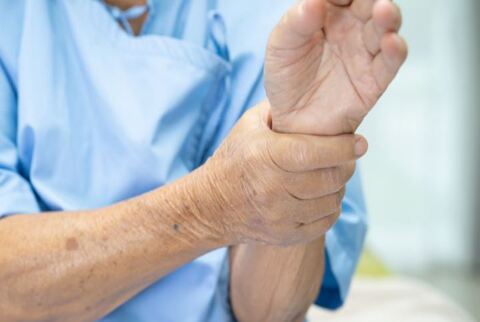
Living with Essential Tremor can affect many aspects of daily life, from eating and drinking to writing, using a phone, or completing hobbies that once felt effortless. For many individuals, tremors are not just a physical challenge but an ongoing source of frustration that impacts independence and routine. While there is no single solution for Essential Tremor, a thoughtful, well-rounded management plan can help individuals better navigate daily tasks and maintain better control during everyday hand movements.
In recent years, assistive technologies have become an important part of tremor management strategies. One such innovation is the Steadi-3 anti-tremor glove, a non-invasive, battery-free assistive device designed to reduce hand tremors during everyday activities. This article explores how incorporating the Steadi-3 glove into an Essential Tremor management plan may support daily functioning, complement existing treatment approaches, and contribute to a more practical, patient-centered routine.
Understanding Essential Tremor and Its Impact on Daily Life
Essential Tremor is a neurological condition characterized by involuntary, rhythmic shaking, most commonly affecting the hands and arms. It may also involve the head, voice, or other parts of the body. For many individuals, tremors are most noticeable during intentional movements such as holding a utensil, lifting a cup, or writing. Over time, these challenges can make routine tasks more difficult and time-consuming.
Although Essential Tremor is often described as a progressive condition, its severity and rate of progression vary widely from person to person. Some individuals experience mild tremors that are manageable, while others find that tremors interfere significantly with daily activities. This variability underscores the importance of individualized management strategies that adapt to changing needs.
The impact of Essential Tremor extends beyond physical symptoms. Tasks that require fine motor control may require additional planning or assistance, and social situations involving eating or writing can feel particularly challenging. As a result, many individuals seek tools and strategies that help them remain engaged in daily life without relying solely on others for support.
A Comprehensive Approach to Essential Tremor Management
Managing Essential Tremor often involves a combination of medical guidance, lifestyle adjustments, and supportive tools. Healthcare providers may recommend medications, physical or occupational therapy, or other interventions depending on symptom severity and individual health factors. These approaches aim to reduce tremor intensity or improve functional ability.
However, medical treatments alone may not fully address the practical challenges of daily living. This is where assistive devices can play a meaningful role. Assistive technologies are designed to help individuals perform tasks more easily by accommodating physical limitations rather than attempting to eliminate them.
A comprehensive management plan recognizes that Essential Tremor affects each person differently. By combining professional medical advice with practical tools, individuals can create a flexible routine that prioritizes safety, usability, and independence. The Steadi-3 glove is designed to integrate seamlessly into such a plan by offering immediate, task-specific support for hand tremors.
What Is the Steadi-3 Anti-Tremor Glove?
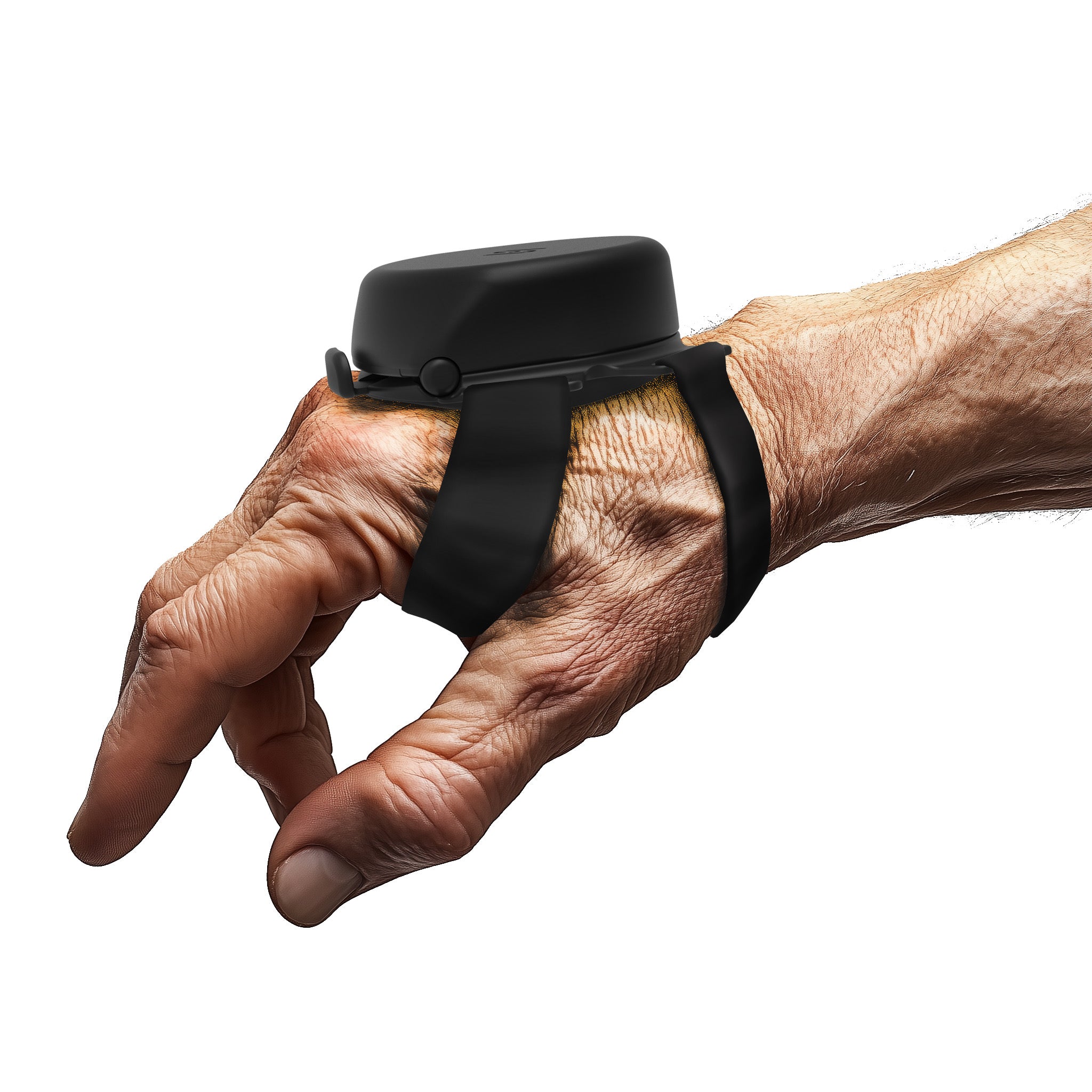
The Steadi-3 anti-tremor glove is a wearable assistive device developed specifically for people with hand tremors associated with Essential Tremor and Parkinson’s Disease. It uses patented magnetic vibration absorber technology to reduce tremor amplitude during intentional movements. Unlike electronic devices, the Steadi-3 is battery-free, lightweight, and non-invasive.
Designed as a Class I FDA-registered medical device, the Steadi-3 glove does not emit electrical signals or require calibration. Instead, it automatically responds to tremor frequency and intensity through its mechanical design. This allows the device to provide support without interfering with natural hand movements.
The glove is worn on either the left or right hand and features adjustable straps for universal sizing. Its compact stabilizer unit is positioned on the back of the hand, minimizing interference with grip and dexterity. For individuals who experience tremors in both hands, a two-device option is available.
How the Steadi-3 Glove Fits into an Essential Tremor Management Plan
Incorporating the Steadi-3 glove into an Essential Tremor management plan can offer practical benefits during everyday activities. Unlike treatments that aim to reduce tremors at all times, the Steadi-3 is designed for use during specific tasks where hand stability is most needed.
For example, individuals may choose to wear the glove while eating, writing, grooming, or using tools. Because it does not require power or setup, the glove can be put on and removed quickly as needed. This flexibility allows users to tailor its use to their daily routines.
The Steadi-3 glove is not intended to replace medical treatment or professional care. Instead, it complements existing approaches by addressing functional challenges directly. Many individuals find that having an assistive option available helps them manage tasks more independently, particularly in situations where tremors are most noticeable.
How Steadi-3 Compares to Other Device Options
When exploring ways to manage hand tremors, many individuals and caregivers naturally compare available options before deciding what best fits their needs. These options can range from medications and surgical procedures to task-specific aids and wearable devices. Understanding how these approaches differ can help reduce uncertainty and support more informed decision-making.
Below is a high-level comparison of common Essential Tremor management options, highlighting how the Steadi-3 glove is positioned as a practical, non-invasive assistive solution.
Medications
Medications are often one of the first options discussed for Essential Tremor management. While some individuals experience symptom relief, results can vary widely. Side effects such as fatigue, dizziness, or changes in blood pressure may limit long-term use for certain patients. In addition, medications typically require ongoing prescriptions and recurring costs.
In contrast, the Steadi-3 glove is a one-time purchase that does not introduce systemic side effects. Because it works mechanically rather than chemically, it can be used alongside medications or independently, depending on individual circumstances and healthcare guidance.
Surgical Options (Deep Brain Stimulation and Focused Ultrasound)
Surgical interventions such as Deep Brain Stimulation (DBS) or focused ultrasound may be considered for severe cases of Essential Tremor. These procedures can be effective for some individuals, but they involve invasive intervention, recovery time, and significant cost barriers. Access may also be limited by eligibility criteria, waiting lists, or geographic availability.
The Steadi-3 glove offers a non-invasive alternative for individuals who are not candidates for surgery or who prefer to avoid surgical intervention. It requires no recovery period, no hospital visits, and no permanent alteration to the body.
Weighted Utensils and Task-Specific Aids
Weighted utensils, pens, and other task-specific aids are commonly used to help stabilize hand movements during a single activity. While these tools can be helpful, they are limited in scope and often require switching devices when moving between tasks.
The Steadi-3 glove is designed for multi-functional use across a wide range of daily activities, including eating, writing, dressing, grooming, and using a phone. Rather than solving one task at a time, it supports hand stability more broadly throughout the day.
Generic Weighted Gloves
Some individuals try generic weighted gloves as a tremor management strategy. These gloves rely on static weight to dampen movement, which may increase wrist strain or fatigue over time. Because the weight does not adapt to tremor intensity, effectiveness can be inconsistent, and prolonged use may feel uncomfortable.
The Steadi-3 glove differs in that it uses magnetic vibration absorber technology to dynamically respond to tremor frequency and intensity. This adaptive approach provides targeted tremor reduction without relying on heavy, static weight.
Wearable Neuromodulation Devices
Wearable neuromodulation devices typically require a prescription and are designed for limited therapy sessions rather than continuous, task-based use. These devices can be costly and may not be accessible to everyone due to insurance coverage or availability constraints.
The Steadi-3 glove does not require a doctor’s prescription and can be used immediately out of the box. Its straightforward design allows individuals to incorporate it into daily routines without scheduling sessions or ongoing clinical oversight.
A Practical Balance of Key Benefits
Across these comparisons, the Steadi-3 glove is often described as offering a balance of desirable features: non-invasive use, immediate tremor reduction during tasks, affordability relative to surgical options, and minimal maintenance. Because it is battery-free and mechanical, there are no charging requirements or electronics to manage.
User feedback and internal validation studies have shown high satisfaction rates among individuals using the Steadi-3 glove for daily activities, particularly for eating and writing. Many users report noticeable tremor reduction during use, supporting its role as a practical assistive option within a broader Essential Tremor management plan.
Accessibility is another defining factor. With no prescription requirement and no waiting lists, the Steadi-3 glove is readily available to individuals seeking a non-prescription tremor glove and an alternative to more invasive or restrictive solutions.
How Steadi-3 Compares to Other Device Options
When exploring ways to manage hand tremors, many individuals and caregivers naturally compare available options before deciding what best fits their needs. These options can range from medications and surgical procedures to task-specific aids and wearable devices. Understanding how these approaches differ can help reduce uncertainty and support more informed decision-making.
Below is a high-level comparison of common Essential Tremor management options, highlighting how the Steadi-3 glove is positioned as a practical, non-invasive assistive solution.
Medications
Medications are often one of the first options discussed for Essential Tremor management. While some individuals experience symptom relief, results can vary widely. Side effects such as fatigue, dizziness, or changes in blood pressure may limit long-term use for certain patients. In addition, medications typically require ongoing prescriptions and recurring costs.
In contrast, the Steadi-3 glove is a one-time purchase that does not introduce systemic side effects. Because it works mechanically rather than chemically, it can be used alongside medications or independently, depending on individual circumstances and healthcare guidance.
Surgical Options (Deep Brain Stimulation and Focused Ultrasound)
Surgical interventions such as Deep Brain Stimulation (DBS) or focused ultrasound may be considered for severe cases of Essential Tremor. These procedures can be effective for some individuals, but they involve invasive intervention, recovery time, and significant cost barriers. Access may also be limited by eligibility criteria, waiting lists, or geographic availability.
The Steadi-3 glove offers a non-invasive alternative for individuals who are not candidates for surgery or who prefer to avoid surgical intervention. It requires no recovery period, no hospital visits, and no permanent alteration to the body.
Weighted Utensils and Task-Specific Aids
Weighted utensils, pens, and other task-specific aids are commonly used to help stabilize hand movements during a single activity. While these tools can be helpful, they are limited in scope and often require switching devices when moving between tasks.
The Steadi-3 glove is designed for multi-functional use across a wide range of daily activities, including eating, writing, dressing, grooming, and using a phone. Rather than solving one task at a time, it supports hand stability more broadly throughout the day.
Generic Weighted Gloves
Some individuals try generic weighted gloves as a tremor management strategy. These gloves rely on static weight to dampen movement, which may increase wrist strain or fatigue over time. Because the weight does not adapt to tremor intensity, effectiveness can be inconsistent, and prolonged use may feel uncomfortable.
The Steadi-3 glove differs in that it uses magnetic vibration absorber technology to dynamically respond to tremor frequency and intensity. This adaptive approach provides targeted tremor reduction without relying on heavy, static weight.
Wearable Neuromodulation Devices
Wearable neuromodulation devices typically require a prescription and are designed for limited therapy sessions rather than continuous, task-based use. These devices can be costly and may not be accessible to everyone due to insurance coverage or availability constraints.
The Steadi-3 glove does not require a doctor’s prescription and can be used immediately out of the box. Its straightforward design allows individuals to incorporate it into daily routines without scheduling sessions or ongoing clinical oversight.
A Practical Balance of Key Benefits
Across these comparisons, the Steadi-3 glove is often described as offering a balance of desirable features: non-invasive use, immediate tremor reduction during tasks, affordability relative to surgical options, and minimal maintenance. Because it is battery-free and mechanical, there are no charging requirements or electronics to manage.
User feedback and internal validation studies have shown high satisfaction rates among individuals using the Steadi-3 glove for daily activities, particularly for eating and writing. Many users report noticeable tremor reduction during use, supporting its role as a practical assistive option within a broader Essential Tremor management plan.
Accessibility is another defining factor. With no prescription requirement and no waiting lists, the Steadi-3 glove is readily available to individuals seeking a non-prescription tremor glove and an alternative to more invasive or restrictive solutions.
Key Benefits of Using the Steadi-3 Glove for Daily Activities
One of the primary benefits of the Steadi-3 glove is its ability to provide immediate tremor reduction during use. This can make tasks such as holding a cup, using utensils, or writing more manageable. By reducing excessive hand movement, the glove may help improve accuracy and control during fine motor tasks.
Another advantage is its non-invasive design. Because the Steadi-3 does not involve surgery, medication, or electrical stimulation, it may be suitable for individuals who prefer a mechanical assistive solution or who are not candidates for other interventions. Its lightweight construction also minimizes fatigue during extended use.
The glove’s automatic adjustment to tremor intensity allows it to respond naturally as tremors fluctuate throughout the day. This adaptability means users do not need to manually change settings or make adjustments during activities. For many, this simplicity makes the device easier to incorporate into daily life.
Supporting Independence and Reducing Reliance on Assistance
Maintaining independence is an important goal for many individuals living with Essential Tremor. Tasks that once required help from a caregiver may become more manageable with the right tools in place. Assistive devices like the Steadi-3 glove are designed to support self-directed activity rather than replace it.
By enabling users to perform tasks on their own, the Steadi-3 glove may help reduce reliance on caregivers for routine activities. This can be beneficial not only for individuals with tremors, but also for family members and caregivers who support them. A shared goal of maintaining autonomy can ease the day-to-day demands of care.
For caregivers, knowing that a loved one has access to a practical assistive device may offer reassurance. The glove’s straightforward design and ease of use make it accessible without extensive training or supervision.
Practical Considerations: Comfort, Safety, and Usability
When choosing an assistive device, comfort and usability are essential considerations. The Steadi-3 glove is designed with adjustable neoprene straps that accommodate a range of hand sizes. This universal sizing approach helps ensure a secure yet comfortable fit for extended wear.
Safety is another important factor. As a battery-free, mechanical device, the Steadi-3 does not pose risks associated with electrical components. However, individuals with implanted medical electronics, such as pacemakers, should consult a healthcare provider before use due to the glove’s magnetic components.
Maintenance requirements are minimal. While the stabilizer unit is built for long-term use, the strap component may require replacement with regular wear. This straightforward maintenance routine supports ongoing usability without complex servicing.
Making Informed Decisions as Part of Long-Term Tremor Management
Incorporating the Steadi-3 glove into an Essential Tremor management plan is a personal decision that should be made in consultation with healthcare providers. Every individual’s experience with Essential Tremor is unique, and what works well for one person may not be suitable for another.
Assistive technologies like the Steadi-3 glove offer an additional option for addressing the functional challenges of tremors. By focusing on practical support during daily activities, the glove aligns with a broader, patient-centered approach to tremor management.
Ultimately, the goal of any management plan is to support daily living in a way that feels sustainable and adaptable over time. For many individuals, incorporating a non-invasive assistive device may be a meaningful step toward maintaining routine, engagement, and independence while living with Essential Tremor.