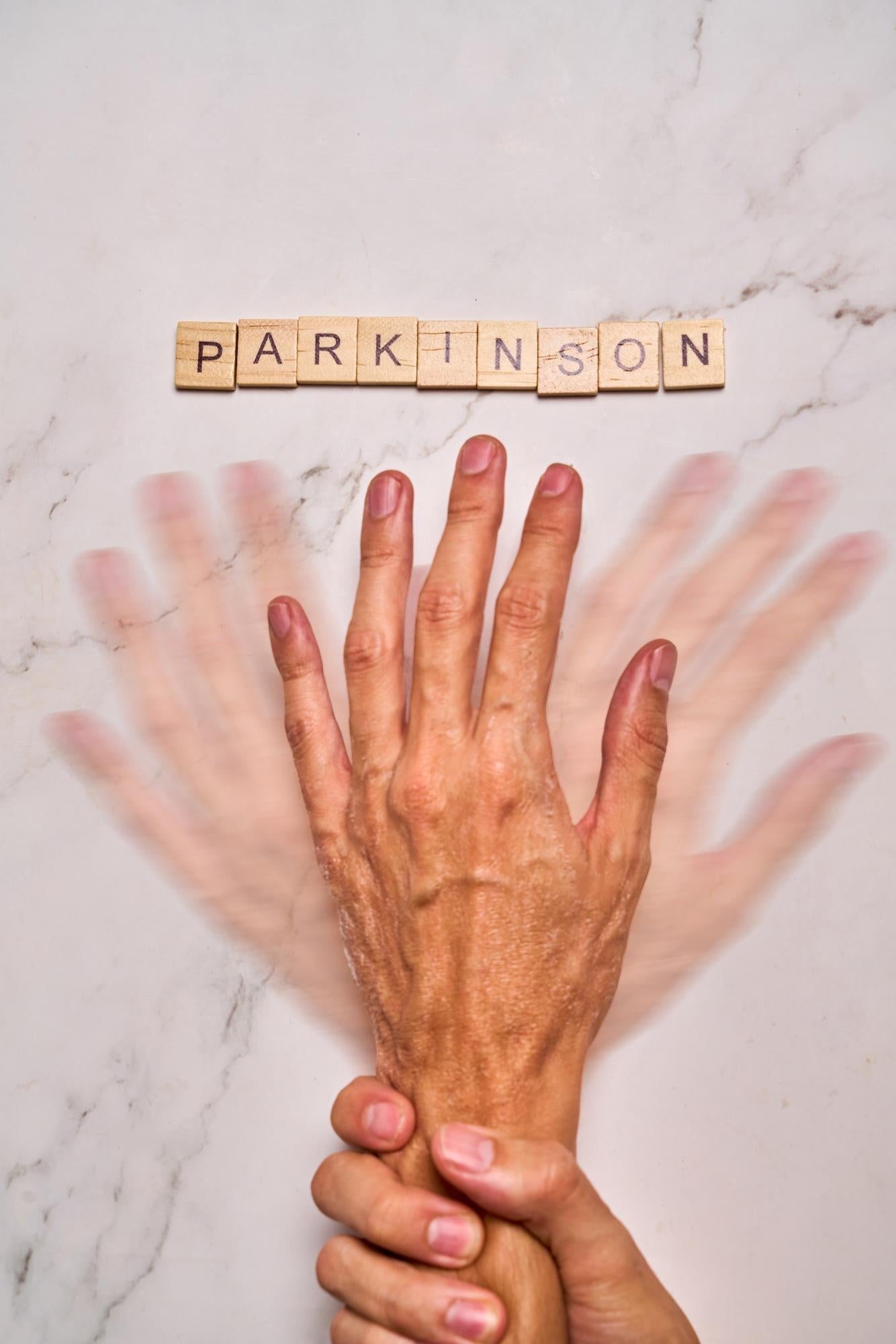
The signs of Parkinson's Disease in women do not always match the textbook description. Women are diagnosed later than men on average, present with distinct motor and non-motor symptoms, and respond to treatment differently. Understanding these differences matters for anyone who has noticed tremor, mood changes, or sleep disturbances and is unsure whether they reflect a neurological condition or another cause. This article covers what to watch for and why the female-specific pattern changes the diagnostic path.
Why Parkinson's Disease Affects Women Differently
Women have a statistically lower risk of developing Parkinson's Disease than men, but when they do, the presentation differs in important ways. Estrogen is believed to play a neuroprotective role in dopamine production, which may explain why women tend to develop the condition later in life and often present with tremor as a first symptom rather than postural or balance changes. The Parkinson's Foundation has documented these epidemiological differences, and NIH research continues to examine estrogen's relationship with dopamine pathways in the substantia nigra.
Motor Symptoms That Appear First in Women
In women, the first noticeable motor sign of Parkinson's Disease is typically a resting tremor, most often in one hand, jaw, or chin. This differs from men, who more commonly present with rigidity or postural instability. Bradykinesia, or slowed voluntary movement, reduced arm swing on one side, and micrographia, the progressive shrinking of handwriting, are also early motor signs that may appear before tremor becomes pronounced. The Michael J. Fox Foundation identifies tremor-dominant onset as the more common subtype in women, distinguishing it from the postural-instability-gait-disorder subtype, which is more prevalent in men.
Non-Motor Symptoms Commonly Misattributed in Women

Women with Parkinson's Disease are more likely than men to experience depression, anxiety, insomnia, restless legs syndrome, and constipation as early non-motor symptoms. Because these overlap substantially with perimenopause symptoms, they are frequently attributed to hormonal changes rather than neurological onset. The Parkinson's Foundation notes that women report depression as an early feature more frequently than men. Loss of smell and REM sleep behaviour disorder, in which a person physically acts out vivid dreams, are additional early warning signs that are clinically significant when they occur alongside other changes.
The Diagnostic Delay Problem for Women
Research consistently shows that women are diagnosed with Parkinson's Disease later than men, partly because early symptoms are more subtle or attributed to other conditions. The Parkinson's Foundation has documented that women receive lower-quality healthcare for Parkinson's Disease on average, a disparity that compounds the impact of delayed recognition. Consulting a neurologist or movement disorder specialist at the onset of symptoms, rather than waiting until the tremor becomes pronounced, significantly improves management outcomes. A clinical evaluation should not be delayed solely because symptoms seem mild or explainable by another cause.
How Hormones Influence Parkinson's Disease Progression in Women
Estrogen's potential neuroprotective role means that women may experience notable changes in Parkinson's Disease symptoms around menopause, when estrogen levels decline. Some research suggests that the menopausal transition correlates with faster symptom progression or increased medication fluctuations in women already managing the condition. Women are also more likely than men to develop dyskinesia, a form of involuntary muscle movement, as a side effect of levodopa, the primary Parkinson's medication. The Parkinson's Foundation advises that even small changes in medication schedules can produce significant symptom shifts in female patients.
Treatment Response Differences in Women
Women with Parkinson's Disease may experience more variable responses to levodopa, with more frequent "off" periods (intervals when medication effects wear off before the next dose) and earlier onset of dyskinesia than men receiving similar doses. The Parkinson's Foundation notes that women require closer monitoring of medication schedules to manage these fluctuations effectively. When medication becomes less effective over time, surgical options including deep brain stimulation and focused ultrasound can reduce tremor and rigidity in appropriate candidates. Treatment planning for women with Parkinson's Disease benefits from the involvement of a movement disorder specialist who is familiar with sex-specific response patterns.
Early Parkinson's Disease in Women Under 50
Approximately 5 to 10 percent of Parkinson's Disease cases occur in people under 50, according to the National Institute on Aging, and women in this group often present with tremor as the primary symptom. Early-onset cases are more frequently associated with genetic mutations including LRRK2 and PINK1. Women diagnosed in their 40s often continue working and managing family responsibilities for years after diagnosis. A neurologist evaluation is essential at any age when unexplained resting tremor, stiffness, or persistent non-motor changes appear, as early intervention supports better symptom management and helps maintain functional independence longer.
Living with Parkinson's Disease as a Woman: Daily Life Challenges
Women with Parkinson's Disease frequently report challenges with fine motor tasks including eating, writing, preparing meals, and using technology. Because women with Parkinson's Disease are more likely to present with tremor-dominant symptoms, daily activities requiring precise hand coordination are often affected early in the course of the condition. Occupational therapy, adaptive tools, and assistive devices can help maintain functional independence. Healthcare providers familiar with Parkinson's Disease management can develop personalized plans that address the specific daily living challenges a woman experiences as symptoms evolve.
When to See a Doctor About Parkinson's Disease Symptoms
If a resting tremor, slowed movement, stiffness, or non-motor signs such as persistent depression, sleep disturbance, or unexplained loss of smell are present, consulting a neurologist or movement disorder specialist is recommended. There is currently no cure for Parkinson's Disease, but early diagnosis enables earlier management and better long-term outcomes. Diagnostic tools, including DaTscan imaging, can help evaluate dopamine transporter activity when clinical findings are inconclusive. Documenting symptom onset, frequency, and affected body parts helps clinicians accurately assess progression during evaluation.
Support Resources for Women with Parkinson's Disease
Several organizations provide resources specifically for women living with Parkinson's Disease. The Parkinson's Foundation offers a Women and PD program with sex-specific research updates and peer support networks. The Michael J. Fox Foundation maintains patient resources, including clinical trial databases for those interested in participating in research. Connecting with a movement disorder specialist and a local or online Parkinson's Disease support group can help women navigate diagnosis, treatment decisions, and daily management strategies. For caregiver-specific guidance, the Steadiwear Parkinson's Disease resource page provides condition-focused information.
Managing Hand Tremors from Parkinson's Disease: How the Steadi-3 Supports Daily Control

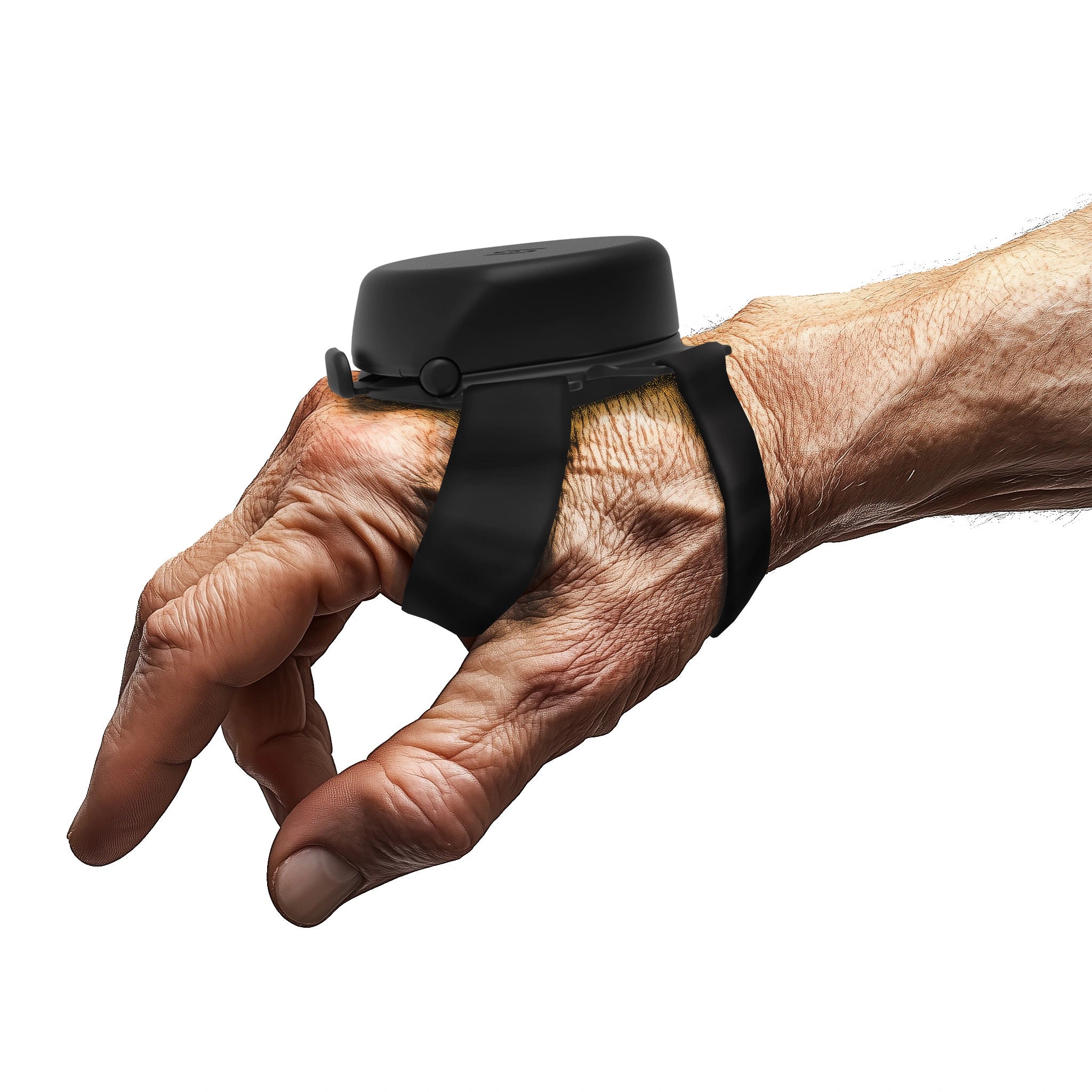
For women managing hand tremors from Parkinson's Disease, non-pharmaceutical assistive options can support control during daily tasks. The Steadi-3 is an FDA-registered Class I medical device that uses patented passive magnetic stabilization to reduce hand tremors, with no batteries, no electronic components, and no prescription required. In a placebo-controlled clinical study, 84% of users experienced a significant reduction in tremor. It is not a cure; there is currently no cure for Parkinson's Disease. The Steadi-3 is a management tool designed to support independence in activities like eating, writing, and drinking. Explore the Steadi-3 tremor glove for more information. Review the Steadi-3 validation study results for clinical detail.
Conclusion
The symptoms of Parkinson's Disease in women often differ from the textbook presentation. Tremor-dominant motor onset, non-motor symptoms frequently mistaken for perimenopause, diagnostic delays, and greater susceptibility to medication fluctuations are among the key distinctions. There is currently no cure for Parkinson's Disease, but early recognition, a prompt evaluation by a movement disorder specialist, and access to management tools including assistive devices can support meaningful daily control and independence. If multiple signs described in this article are present, consulting a neurologist is the appropriate next step.