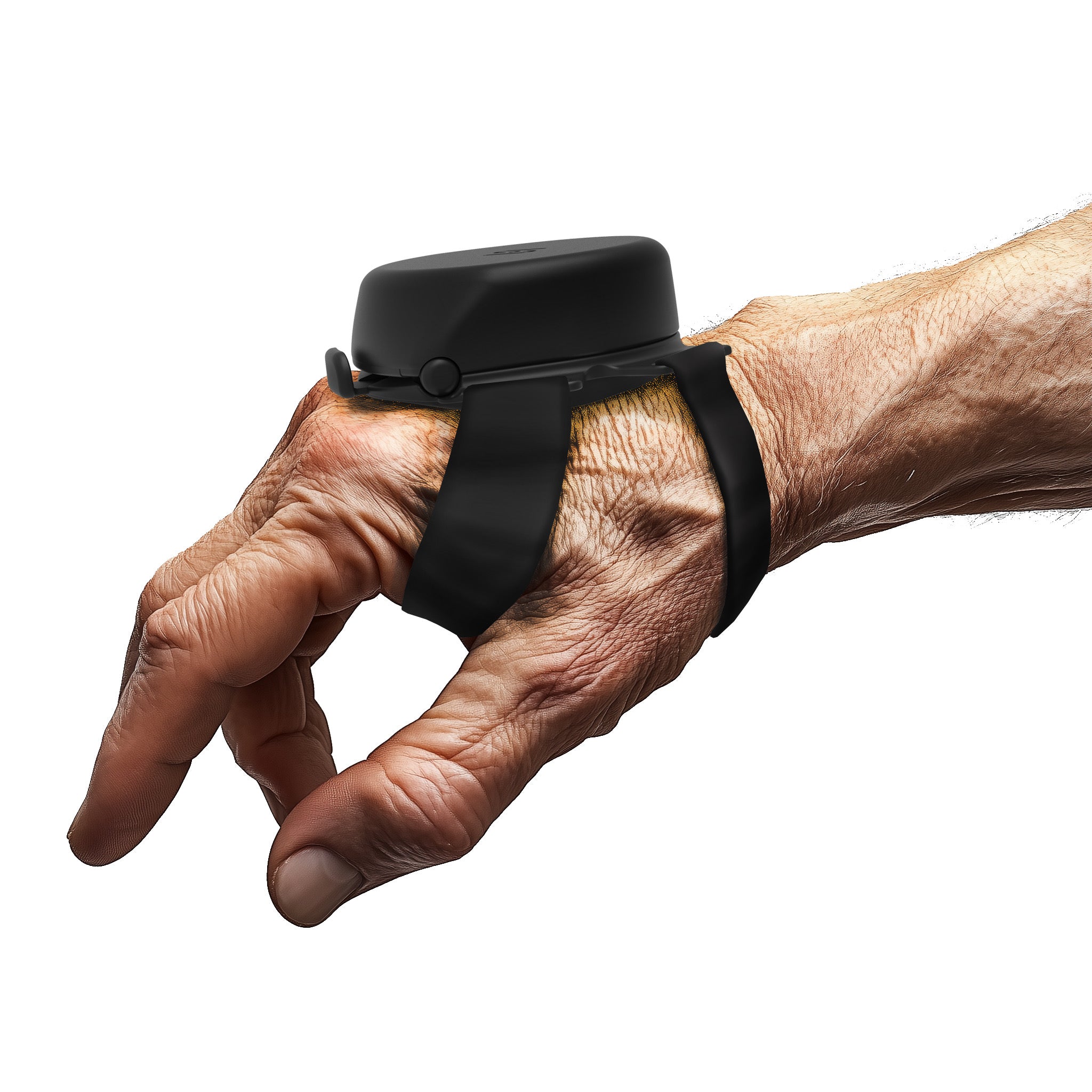
Shaky hands are a common phenomenon that many people experience, and they can be due to a variety of factors. These can range from physical symptoms of conditions like Generalized Anxiety Disorder and Panic Disorder, to lifestyle factors like excessive caffeine intake or lack of sleep. Understanding shaky hands symptoms is essential for finding the right treatment. If you've ever wondered what causes shaky hands, this guide explores every major factor behind the causes of shaky hands.
Shaky Hands Causes
Essential tremor, a type of tremor that causes your hands to shake, can be due to a variety of reasons. The most common causes of shaky hands include genetics, neurological disorders, medication side effects, and stress-related responses. For some, it might be the side effect of certain medications, while for others, it might be a symptom of a more severe condition, such as Parkinson's disease. If you're asking yourself, “Why do my hands keep shaking?” the answer could be one or more of these underlying conditions. If you're experiencing shaky hands, understanding the root cause can help in figuring out the appropriate treatment option.
Anxiety and Shaky Hands
Anxiety can often manifest in physical symptoms such as shaking or trembling hands. Anxiety is among the most common causes of trembling hands, as stress hormones trigger muscle tension and involuntary shaking. This shaking is often due to the body's response to stress hormones. Learning anxiety-reducing techniques can play a big role in controlling stress-induced tremors.
Lack of Sleep and Shaky Hands
Lack of sleep can also trigger shaky hands. When the body is sleep-deprived, it may trigger neurological reflexes that result in shaky hands. One of the overlooked causes of shaky hands is chronic fatigue, since poor sleep directly affects nerve stability and muscle control. To combat this, improving your sleep habits can be beneficial. If you find yourself asking, "Why do I have shaky hands?" consider evaluating your sleep patterns. People who frequently experience hand tremors after long nights often ask, “How to stop my hands from shaking?” and the answer may start with consistent rest.
Caffeine and Shaky Hands
Excessive caffeine intake can lead to shaky hands as well. When too much caffeine is consumed, it can stimulate the central nervous system, leading to symptoms like shaky hands, jitters, and rapid heartbeat. Caffeine is one of the preventable causes of trembling hands, especially for those who consume energy drinks or multiple cups of coffee daily. For many, limiting caffeine intake is one of the most effective ways to stop their hands from shaking.
Serious Conditions and Shaky Hands
In some cases, shaky hands can be a symptom of more severe conditions like Parkinson's disease or an overactive thyroid (Hyperthyroidism). In these cases, beta blockers are often prescribed as a treatment option. These medical issues are among the most serious causes of shaky hands and require proper diagnosis. If you notice persistent shaking, it's crucial to seek medical advice. Neurological conditions can make people feel helpless about why their hands keep shaking, but medical management can significantly reduce tremor intensity.
More Causes of Shaky Hands — Nutritional, Metabolic, and Other Triggers
While anxiety, caffeine, and neurological conditions are common explanations for shaky hands, they are not the only ones. If you’ve been asking, “Why do my hands shake?” or noticing your hands shaking all the time, it’s important to consider nutritional and metabolic causes as well.
Many of these are treatable — and sometimes reversible — once identified.
Nutritional Deficiencies
Vitamin B12 deficiency is one of the most overlooked causes of shaky hands, especially in older adults. B12 is essential for maintaining healthy nerve cells and protecting the myelin sheath that helps nerves transmit signals efficiently. When levels are low, symptoms may include:
-
Shaky hands
-
Numbness or tingling
-
Weakness
-
Balance changes
B12 deficiency is more common in:
-
Adults over 50
-
People taking long-term metformin
-
Individuals on acid-reducing medications
-
Those who avoid animal products
Low magnesium levels can also increase neuromuscular excitability, making muscles more prone to involuntary contractions and tremor-like movements.
The encouraging part? These are among the most treatable causes of shaky hands. A simple blood test can detect deficiencies, and appropriate supplementation often improves symptoms.
Low Blood Sugar (Hypoglycemia)
When blood glucose drops too low — from skipping meals, prolonged fasting, intense exercise, or certain diabetes medications — the body releases adrenaline. Adrenaline stimulates the nervous system and can cause visible shaking.
Low blood sugar–related tremors are often accompanied by:
-
Sweating
-
Rapid heartbeat
-
Hunger
-
Dizziness
If your shaky hands improve within minutes of eating a snack, blood sugar may be the trigger. This is a common explanation for people wondering, “Why do my hands shake before meals?”
Alcohol Withdrawal
For individuals who consume alcohol regularly or heavily, reducing or stopping intake can trigger tremors within hours to days.
Alcohol withdrawal tremors may range from mild hand shaking to more severe neurological symptoms. In cases of long-term or heavy use, withdrawal should be medically supervised. If tremors begin after cutting back on alcohol, it’s important to speak with a healthcare provider.
Medication Side Effects
Certain medications can cause postural or action tremors as a side effect. Common examples include:
-
Bronchodilators (asthma inhalers)
-
Antidepressants (SSRIs, tricyclics)
-
Lithium
-
Valproate
-
Some blood pressure medications
-
Stimulants (such as ADHD medications)
Medication-related tremors often improve when the dose is adjusted, or the medication is changed — always under physician guidance. If your hands started shaking after beginning a new prescription, this is worth reviewing with your provider.
Shaky Hands in Older Adults
Searches for shaky hands due to old age are common — and for good reason.
As the nervous system ages, the threshold for visible tremor can lower. Mild physiologic tremors that were barely noticeable earlier in life may become more apparent after age 60 or 70.
However, pronounced or progressively worsening shaking should not be dismissed as “just aging.” In older adults, tremors may also be linked to:
-
Essential Tremor
-
Parkinson’s Disease
-
Vitamin B12 deficiency
-
Thyroid imbalance
If you’re experiencing hands shaking all the time, especially later in life, a medical evaluation can help determine whether the cause is benign, nutritional, medication-related, or neurological.
The Key Takeaway
Not all shaky hands signal a serious neurological condition. In many cases, the cause may be nutritional, metabolic, medication-related, or age-associated.
If your shaking is persistent, worsening, or interfering with daily activities, discussing these possibilities with a healthcare provider — and requesting appropriate blood tests if needed — is a practical next step toward clarity and appropriate treatment.
How to Stop My Hands from Shaking
Wondering, “How to stop my hands from shaking?” The solution depends on identifying the root cause. For mild tremors caused by stress, caffeine, or fatigue, small lifestyle changes—like improving sleep, reducing caffeine, and practicing relaxation techniques—can make a noticeable difference. In other cases, medical therapy or tremor-control devices may be recommended. The key is early detection and continuous monitoring of your shaky hands symptoms to prevent worsening over time.
Steadiwear: Innovative Solution for Shaky Hands
Shaky hands are a common phenomenon that many people experience, and they can be due to a variety of factors. These can range from physical symptoms of conditions like Generalized Anxiety Disorder and Panic Disorder, to lifestyle factors like excessive caffeine intake or lack of sleep. Understanding shaky hands symptoms is essential for finding the right treatment. If you've ever wondered what causes shaky hands, this guide explores every major factor behind the causes of shaky hands.
Shaky Hands Causes
Essential tremor, a type of tremor that causes your hands to shake, can be due to a variety of reasons. The most common causes of shaky hands include genetics, neurological disorders, medication side effects, and stress-related responses. For some, it might be the side effect of certain medications, while for others, it might be a symptom of a more severe condition, such as Parkinson's disease. If you're asking yourself, “Why do my hands keep shaking?” the answer could be one or more of these underlying conditions. If you're experiencing shaky hands, understanding the root cause can help in figuring out the appropriate treatment option.
Anxiety and Shaky Hands
Anxiety can often manifest in physical symptoms such as shaking or trembling hands. Anxiety is among the most common causes of trembling hands, as stress hormones trigger muscle tension and involuntary shaking. This shaking is often due to the body's response to stress hormones. Learning anxiety-reducing techniques can play a big role in controlling stress-induced tremors.
Lack of Sleep and Shaky Hands
Lack of sleep can also trigger shaky hands. When the body is sleep-deprived, it may trigger neurological reflexes that result in shaky hands. One of the overlooked causes of shaky hands is chronic fatigue, since poor sleep directly affects nerve stability and muscle control. To combat this, improving your sleep habits can be beneficial. If you find yourself asking, "Why do I have shaky hands?" consider evaluating your sleep patterns. People who frequently experience hand tremors after long nights often ask, “How to stop my hands from shaking?” and the answer may start with consistent rest.
Caffeine and Shaky Hands
Excessive caffeine intake can lead to shaky hands as well. When too much caffeine is consumed, it can stimulate the central nervous system, leading to symptoms like shaky hands, jitters, and rapid heartbeat. Caffeine is one of the preventable causes of trembling hands, especially for those who consume energy drinks or multiple cups of coffee daily. For many, limiting caffeine intake is one of the most effective ways to stop their hands from shaking.
Serious Conditions and Shaky Hands
In some cases, shaky hands can be a symptom of more severe conditions like Parkinson's disease or an overactive thyroid (Hyperthyroidism). In these cases, beta blockers are often prescribed as a treatment option. These medical issues are among the most serious causes of shaky hands and require proper diagnosis. If you notice persistent shaking, it's crucial to seek medical advice. Neurological conditions can make people feel helpless about why their hands keep shaking, but medical management can significantly reduce tremor intensity.
How to Stop My Hands from Shaking
Wondering, “How to stop my hands from shaking?” The solution depends on identifying the root cause. For mild tremors caused by stress, caffeine, or fatigue, small lifestyle changes—like improving sleep, reducing caffeine, and practicing relaxation techniques—can make a noticeable difference. In other cases, medical therapy or tremor-control devices may be recommended. The key is early detection and continuous monitoring of your shaky hands symptoms to prevent worsening over time.
Steadiwear: Innovative Solution for Shaky Hands

For those looking for a practical solution to reduce hand tremors, Steadiwear offers an innovative option. Steadiwear's revolutionary glove is designed to provide stability and reduce the impact of hand tremors, offering a non-invasive way to manage shaky hands symptoms. It’s a reliable option for those who want to manage their tremors without relying solely on medication.
Conclusion
If you're experiencing shaky hands, it's important to consult with a healthcare provider. They can help diagnose the underlying cause and suggest appropriate treatment options. This could include medication, lifestyle changes, or even devices like Steadiwear, a revolutionary glove designed to reduce hand tremors. Understanding what causes shaky hands is the first step toward control. Remember, seeking professional advice is crucial if you're experiencing symptoms of anxiety or any physical symptoms like shaky hands. Learning how to stop your hands from shaking begins with awareness and proactive care.