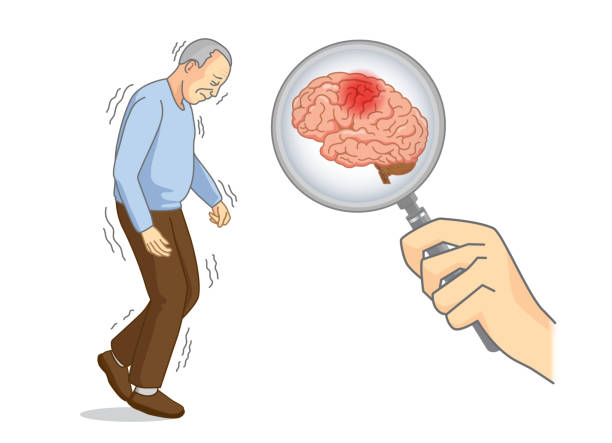

For many of us who experience non essential tremors, daily life can feel like an uphill battle. The persistent shaking of our hands often disrupts our everyday tasks, leaving us yearning for a semblance of normalcy. However, it's essential to remember that there are practical strategies to manage this condition effectively. This is my journey on how to stop shaky hands and regain control of my life.
Understanding Non-Essential Tremors
Non essential tremors, unlike their essential counterparts, are typically caused by factors such as stress, anxiety, or excessive caffeine or alcohol consumption. Understanding essential vs non essential tremor differences is crucial. As I found out, the first step in controlling this condition is identifying its root cause. This knowledge helped me devise strategies to stop my hands from shaking and reclaim my life.
Practical Daily Strategies to Manage Non-Essential Tremors
Lifestyle adjustments such as improving sleep, reducing caffeine intake, and managing stress are foundational to Non-Essential Tremor treatment. But what about the moments when a tremor is already happening?
Below are practical, in-the-moment strategies that can help reduce the visible impact of shaking and improve control during daily tasks.
1. Proximal Stabilization: Support the Arm, Not Just the Hand
Tremors often appear more dramatic in the hand because of leverage. The farther the hand is from the body, the more amplified the shaking can look.
To reduce this effect:
-
Rest your elbows on a table while eating or writing
-
Sit instead of standing for fine motor tasks
-
Brace your forearm lightly against your torso
-
Use a chair armrest or a wall for added stability
By stabilizing the upper arm and shoulder, you reduce the mechanical amplification of tremor at the hand. This simple adjustment can significantly improve control during meals or while working on paperwork.
2. Time Tasks Strategically
Many people with non-essential tremors — especially stress tremor or enhanced physiologic tremor — notice that symptoms fluctuate throughout the day.
Tremors may be milder:
-
In the morning, before caffeine
-
After meals (when blood sugar is stable)
-
During calm, low-stress periods
Schedule precision tasks like signing documents, using small tools, or handling fragile objects during these “low-tremor windows.” Planning ahead can reduce frustration and improve outcomes without requiring the tremor to fully stop.
3. Modify the Environment
Small environmental changes can dramatically reduce functional interference.
Try:
-
Using two hands to hold cups or bowls
-
Switching to larger-grip pens or utensils
-
Placing rubberized mats under plates
-
Choosing non-slip surfaces for work areas
-
Using insulated travel mugs with lids
These strategies don’t eliminate tremor — they reduce its consequences. For many people wondering how to stop shaky hands, adapting the environment is one of the most effective first steps.
4. Breathing and Grounding for Stress Tremors
If your tremor is anxiety-driven, calming the nervous system can reduce shaking intensity.
Try diaphragmatic breathing:
-
Inhale for 4 counts
-
Hold for 4 counts
-
Exhale slowly for 6 counts
-
Repeat for 1–2 minutes
Longer exhalations activate the parasympathetic nervous system, which counteracts the effects of adrenaline, the hormone responsible for many stress tremor episodes.
Grounding techniques, such as the 5-4-3-2-1 method (naming 5 things you see, 4 things you feel, 3 things you hear, 2 things you smell, 1 thing you taste), can also interrupt the anxiety cycle that contributes to shaking.
5. Mechanical Dampening and Weighted Support
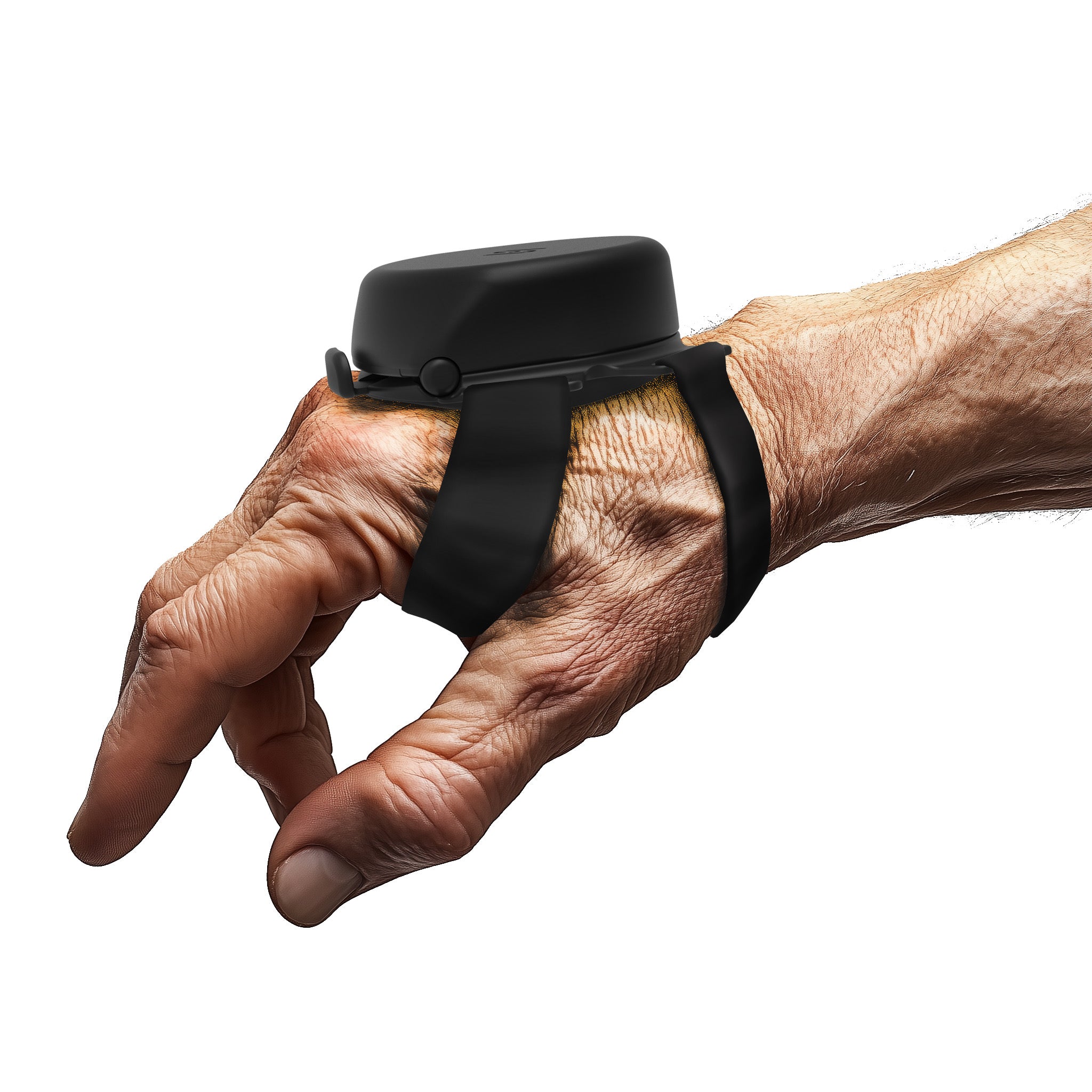
Light wrist weights or weighted utensils can help reduce tremor amplitude by adding controlled resistance. The added load stabilizes movement and can dampen oscillation.
For individuals seeking more structured stabilization, adaptive devices go a step further. While simple weights rely on passive loading, engineered counterbalance systems are designed to actively reduce tremor movement through mechanical stabilization.
These tools may be considered as part of a broader Non Essential Tremor treatment plan, particularly when tremors interfere with eating, writing, or other daily tasks.
Bringing It Together
If you’ve been searching for how to stop hand tremors, the reality is that stopping them entirely may not always be possible — especially in the moment. However, managing them effectively is achievable.
By combining:
-
Arm stabilization
-
Strategic timing
-
Environmental adjustments
-
Nervous system regulation
-
Mechanical support
…you can significantly reduce the functional impact of non-essential tremors and regain a greater sense of control in daily life.
As always, if tremors are persistent, worsening, or interfering significantly with routine activities, consulting a healthcare provider is recommended to rule out underlying medical causes and explore appropriate treatment options.
My Journey: How to Stop Hand Shaking
The journey began with recognizing my triggers. I noticed that my hands shake a lot when I was under stress or had too much coffee. This observation was my first step towards finding a solution on how to stop tremors effectively.
Lifestyle Modifications
The first strategy I used was making lifestyle changes. I reduced my caffeine and alcohol intake, incorporated regular exercise into my routine, and started practicing stress management techniques such as yoga and meditation. These changes helped me manage my anxiety levels and reduced the frequency and intensity of my non essential tremors.
Implementing a Healthy Diet
Eating a balanced diet also played a crucial role in controlling my non essential tremors. I discovered that certain nutrients, such as Vitamin B1 and Magnesium, could help reduce shaking. I made it a point to include foods rich in these nutrients in my diet.
Regular Exercise
Regular exercise was another essential part of my strategy to stop hand shaking. Engaging in activities that promote hand-eye coordination and fine motor skills, such as painting or playing a musical instrument, helped me regain control over my hands and manage my non essential tremors.
Turning to Medical Interventions
While lifestyle changes and dietary modifications were helpful, I also sought medical advice on how to stop tremors. I explored various treatments, including medications and physical therapy, which proved beneficial in managing my non essential tremors.
Embracing the Journey: From Shaky Hands to Steady Control

The journey was far from easy. There were days when I felt discouraged, and my hands shook a lot. But I learned that consistency was key. Gradually, I began to see a decline in my non essential tremors. Today, I can confidently perform tasks that once seemed daunting.
Final Thoughts: Regaining Control Over Your Life
It's crucial to remember that everyone's experience with non essential tremors is different. What worked for me may not work for you. The key is to stay patient and persistent. Don't be disheartened if you don't see immediate results.
Finally, don't hesitate to seek help. Consult with healthcare professionals, share your experiences with others who have gone through a similar journey, and remember - you're not alone. The journey to stop hand shaking may be a challenging one, but the reward of regaining control over your life is immeasurable.
If you're struggling with how to stop your hands from shaking, I hope my journey inspires you. Remember, it's not about a quick fix but a lifestyle change. Be patient with yourself, stay positive, and never give up. You've got this!