Caregiver Burden and Tremor: Recognizing the Signs and Finding Support
Caregiver burden often builds quietly for families supporting someone with Essential Tremor or Parkinson's Disease. Tremor can make ordinary tasks like eating, writing, and dressing require assistance, adding daily weight for the person providing it. This article covers the signs of burnout, why tremor caregiving is uniquely demanding, and where to find support you can rely on.
What Caregiver Burden Looks Like in Tremor Families
Caregiver burden is the physical, emotional, and mental exhaustion that comes from sustained caregiving responsibility. It is a recognized clinical concept, measured in Essential Tremor caregiver research using tools like the Zarit Burden Interview, not simply a passing feeling.
Unlike occasional tiredness, caregiver burnout builds gradually over weeks or months. It affects both spouses and partners and adult children supporting a parent with Essential Tremor or Parkinson's Disease, often before anyone names what is happening.
Why Tremor Caregiving Carries a Hidden Weight
Tremor-related assistance is often invisible. It means fastening buttons, steadying utensils, guiding handwriting, or pouring drinks. These small assistive tasks repeat throughout the day and accumulate steadily, unlike caregiving organized around a single event or appointment.
Research on Essential Tremor caregivers shows writing and cooking are among the tasks people most often help with. Because the help feels ordinary, many tremor caregivers do not identify as "caregivers" at all, which can quietly delay them from seeking support and deepen caregiver burden.
Emotional Signs of Caregiver Burnout to Watch For
The emotional signs of caregiver burnout tend to surface before anything else. Irritability or frustration over small things is common, along with feelings of helplessness or hopelessness that persist even on calmer days.
Watch too for withdrawal from friends, hobbies, or activities you once enjoyed. Many caregivers also carry guilt for simply wanting a break or for feeling frustrated. Noticing these emotions without judgment is the first step toward addressing them before they settle in.
Physical Signs of Caregiver Burnout
Caregiver burnout shows up in the body as well as the mind. Constant fatigue that does not improve with rest is one of the clearest signals, often paired with changes in sleep or appetite, frequent headaches, or ongoing muscle tension.
Chronic stress can weaken the immune response, so getting sick more often is another warning sign. These symptoms deserve a genuine conversation with a healthcare provider rather than self-diagnosis, especially when several appear together and persist.
Behavioural Changes That Signal Burnout

Behavioural shifts are the third pattern that signals caregiver burnout. You might notice difficulty concentrating or making everyday decisions that once felt automatic, or a tendency to avoid appointments and responsibilities that used to feel manageable.
Some caregivers begin leaning on food, alcohol, or other coping habits to get through the day. Resentment toward family members who are not sharing the load is also common. These changes are worth taking seriously, not dismissing as personal shortcomings.
Setting Realistic Expectations as a Care Partner
Setting realistic expectations protects against caregiver burden more than striving for perfection does. Rather than attempting everything, focus on what matters most on a given day and let smaller things wait.
Recognizing small wins in your caregiving routine counts as real progress, even when the day feels incomplete. Tremor symptoms fluctuate from one day to the next, so flexibility serves you better than a rigid schedule. A plan that bends is far easier to sustain over time.
Building a Support Network and Accepting Help
You do not have to carry everything alone. Dividing specific tasks with family or friends, whether that is meal preparation, driving, or errands, spreads the load and prevents any one person from breaking under it.
Family caregiver support groups, in person or online, offer practical advice and relief from isolation from people who truly understand tremor caregiving. Exploring [caregiver support resources](/pages/contact) can help you find the right mix of help and delegate with confidence.
Scheduling Breaks and Respite Care
Respite care is temporary professional or family coverage that lets a caregiver step back and genuinely rest. It can be arranged for a few hours or several days, giving you room to recover without worry. Even without formal respite, short daily breaks like a walk or quiet time are realistic and restorative. Protecting your own health through consistent self-care and mini-breaks supports your control over the caregiving role rather than slowly depleting the energy it depends on.
Seeking Emotional Support and Professional Counselling
Talking with a counsellor, therapist, or support group is a healthy way to process the stress that caregiving carries. Emotional support is not a luxury; it is part of staying well enough to keep going. Connecting with others in similar situations reduces isolation and reminds you that these feelings are shared, not unique failings. If you experience ongoing depression or overwhelming stress, speak with a healthcare provider promptly rather than waiting for things to improve on their own.
How Tremor's Gradual Progression Changes the Caregiver's Role
Essential Tremor and Parkinson's Disease symptoms change gradually over time, so the caregiving role tends to expand slowly rather than all at once. The help needed at diagnosis rarely matches what is needed a year later. Revisiting what assistance is required every few months keeps your support aligned with real needs and reduces creeping caregiver burden.
How the Steadi-3 Can Ease Daily Caregiving Tasks

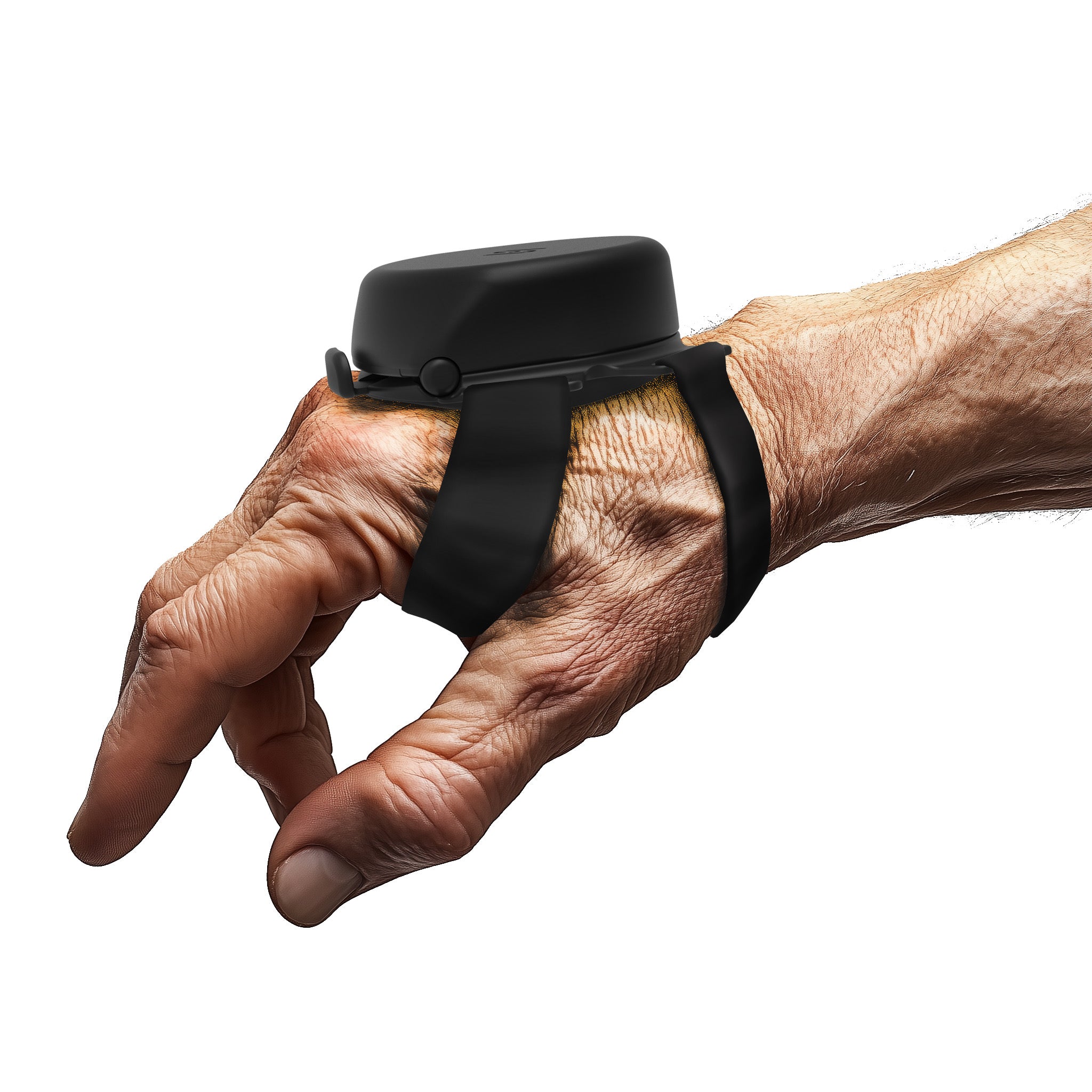
Several tools may support a person's independence with everyday tasks, and the Steadi-3 tremor glove from Steadiwear is one option worth knowing about. It is an FDA-registered Class I medical device that uses passive magnetic stabilization to help reduce hand tremors, validated in a placebo-controlled study where 85% of users reported significant tremor reduction. Battery-free and lightweight, it needs no charging. By supporting independence with tasks like eating or writing, it may lessen a caregiver's day-to-day assistance load. Steadiwear recommends consulting a healthcare provider before use.
Conclusion
Caregiver burden is a real, recognized part of supporting someone with tremor, not a personal failing or a sign you are not doing enough. Recognizing the emotional, physical, and behavioural signs early gives you room to act before burnout deepens and becomes harder to reverse. Support in any form, whether practical help, emotional connection, or tools that ease daily tasks, helps sustain both the caregiver and the person they care for over the long road ahead.