When tremors affect the whole family: the family impact of tremor and Parkinson's Disease
The family impact of tremor and Parkinson's Disease often shows up in shifted roles long before anyone names it. A spouse quietly becomes a caregiver. A grown child becomes the one making decisions. This article previews the emotional dynamics behind those changes, from guilt to role reversal, and points families toward the support they need to carry them together.
How a tremor diagnosis changes roles within a family
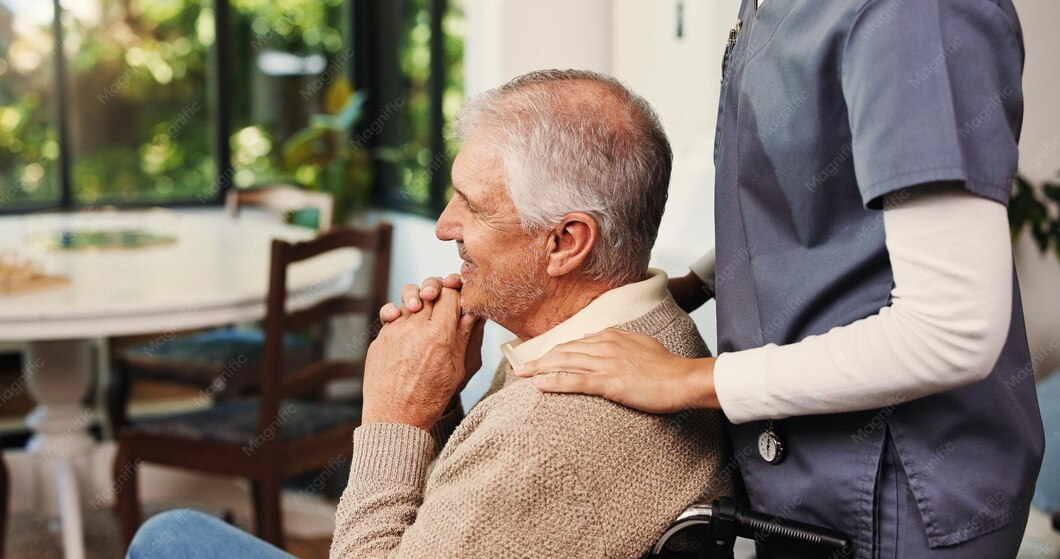
A diagnosis of Essential Tremor or Parkinson's Disease rarely stays contained to one person. According to a caregiving and counselling service's clinical blog, a partner often steps into the caregiver role while a child becomes a decision-maker. The person is still present, yet the relationship dynamic shifts in ways that feel disorienting. Clinicians describe this as ambiguous loss: the family impact of tremor and Parkinson's disease reshapes changing roles even when the loved one remains right there.
The unspoken guilt many family caregivers carry
Behind the practical tasks sits a quieter emotional layer. Caregiving service writing focused on psychological support notes that caregiver guilt and changing family roles frequently travel together. Family members feel guilty for reacting with frustration, then carry grief for the relationship as it once was. These feelings surface between the laundry, the meals, and the medication reminders, yet they are rarely voiced aloud. Naming them, even privately, is often the first step toward carrying them with less shame.
Why caregiving for tremor or Parkinson's can feel unpredictable

Part of what wears on families is the lack of a predictable rhythm. A Neurosciences Institute executive director at a hospital system has described how symptoms can fluctuate daily or even hourly. A good morning can turn into a difficult afternoon without warning. That variability makes routine both essential and hard to sustain. Coping with a loved one's tremor often means staying "on call," ready to assist at a moment's notice, which keeps the mind in a constant low hum of alertness.
One family's experience: what caregiving actually looks like day to day
A personal account published in Psychology Today shows the family impact of tremor and Parkinson's disease in concrete terms. A daughter described caregiving becoming a shared, full-time role among her mother, her sisters, and her grandfather. Responsibilities stretched across the household rather than resting on one person. Even so, watching a parent's decline was described as especially difficult for the adult child in charge, who carried both the logistics and the emotional weight of witnessing the change up close.
How caregiving responsibilities get divided among siblings and generations
Family caregiving dynamics rarely split evenly. Across the accounts reviewed, one pattern repeats: responsibilities land unevenly among a spouse, adult children, and other relatives. One sibling drives to appointments, another handles finances, and a third does little, often without anyone saying so. That imbalance can quietly become a source of tension when shared responsibility is assumed rather than discussed. Naming who does what, and adjusting it openly, tends to reduce resentment before it hardens into a grievance.
Practical routines that ease the daily caregiving load
Hospital-authored guidance offers steadying strategies. Consistent routines around meals, medication, and activity reduce confusion for both the caregiver and the person being cared for. Adaptive tools help with everyday tasks, and keeping a symptom journal for appointments lightens the mental load. Communication matters too. Speaking with patience and resisting the urge to rush in and fill every silence gives the person time to respond and keeps the connection between you intact.
Why caregivers need support too, not just the patient
Care planning often centers entirely on the patient, but the caregiver's health should be part of the picture. A hospital blog names specific risks: depression, chronic stress, grief, and social isolation are all commonly reported among people in long-term caregiving roles. Seeking caregiver burnout support is not a luxury or a distraction from the work. Prioritizing your own health is described as part of sustaining good care over time, not something separate from it. A depleted caregiver cannot give steadily.
Recognizing when caregiver guilt has become caregiver burnout
Occasional guilt is a normal part of caregiver guilt and changing family roles. What deserves closer attention is when guilt hardens into persistent exhaustion or steady resentment. Synthesizing patterns from the caregiver accounts reviewed, several warning signs stand out: neglecting your own health, cancelling appointments, or withdrawing from friends and activities you once valued. These point toward burnout rather than passing stress. Recognizing the shift early makes it far easier to arrange support for caregiver burnout before things reach a breaking point.
Finding support groups and community for caregiving families
Family caregiver support for Parkinson's often lives in community. Hospital-run caregiver groups and patient support groups give families a place to share experiences and swap practical tools that only come from lived experience. Groups tailored to young-onset diagnosis address circumstances unique to younger families, such as raising children or managing careers alongside care. Whatever the format, community connection is associated with reduced isolation for caregivers, which matters when so much of the daily work happens quietly at home.
How can open communication ease tension around role changes?
The friction in family caregiving dynamics often comes from silence rather than conflict. Clinical guidance on psychosocial adaptation suggests naming role changes directly, rather than assuming everyone has quietly adjusted to the new arrangement. Saying out loud who now handles what leaves less room for misread expectations. Approaching the situation as psychosocial adaptation for the whole family, not only symptom management for one person, supports the relationships that hold the household together beyond any single appointment or task.
Supporting the person at the center of the family

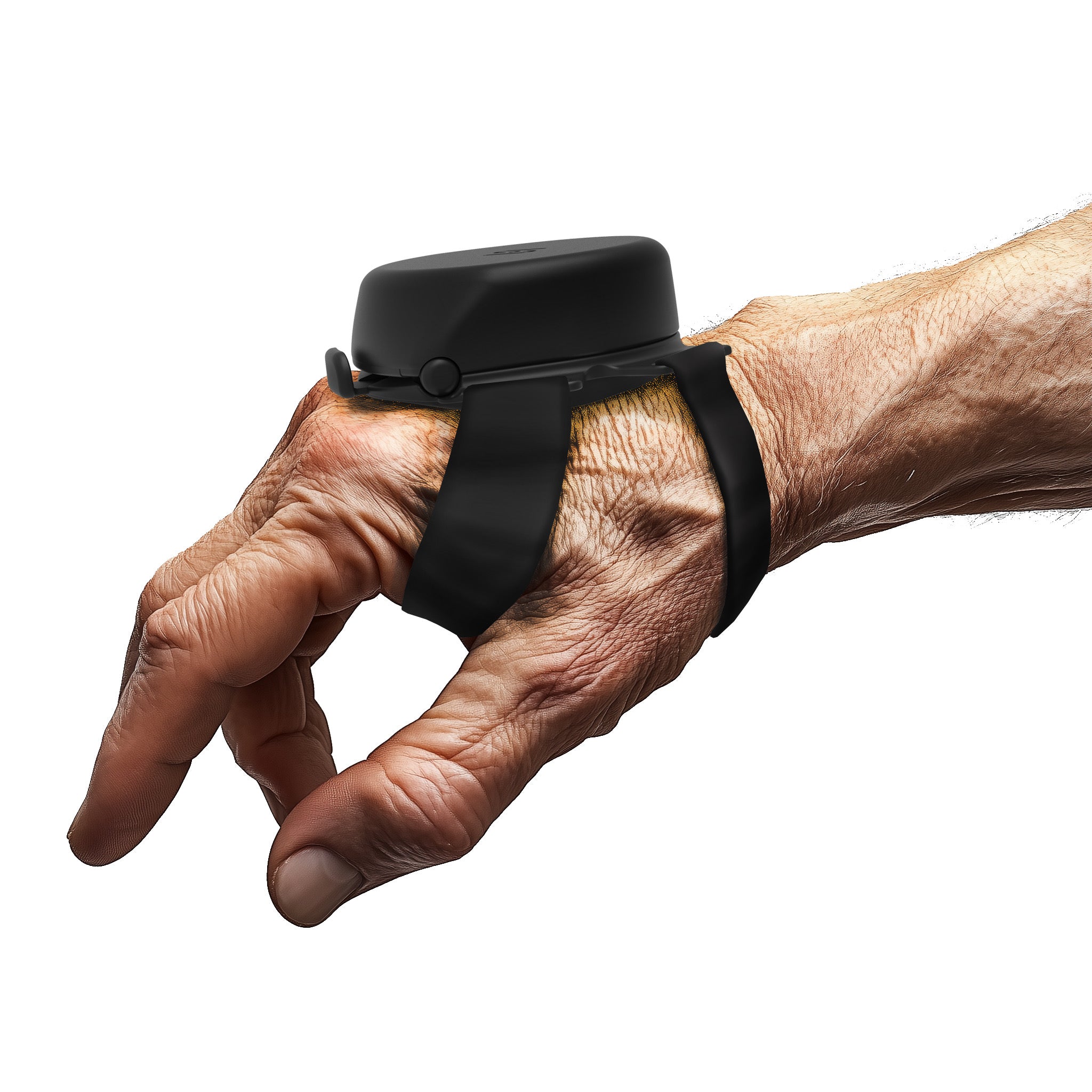
Family dynamics often shift around specific daily tasks, like eating, writing, or preparing meals. Steadiwear makes the Steadi-3, an FDA-registered Class I medical device that uses passive magnetic stabilization and works battery-free. In a placebo-controlled study, 84 percent of users showed improved tremor control. Supporting a family member's control and independence with everyday activities is one option among several a family might consider. Always discuss any device or treatment option with a healthcare provider to find what suits your loved one.
Conclusion
The family impact of tremor and Parkinson's Disease extends well beyond the person diagnosed. Guilt, shifting roles, and caregiving strain touch spouses, adult children, and the wider circle, and they are more common than most families realize. Naming these experiences openly tends to ease them. Support ranges from shared routines and adaptive tools to community groups and honest conversation, built around what each family actually needs. No family navigates this perfectly, and none should have to navigate it alone.