
Shame and Stigma of Essential Tremor: Emotional Impact and Coping Strategies
The shame and stigma of Essential Tremor are real and documented, affecting quality of life independently of tremor severity. This page covers the emotional and social dimensions of Essential Tremor and practical strategies for managing them.

Why Essential Tremor Carries Social Stigma
People with Essential Tremor are frequently misread by observers; visible tremor is often mistaken for nervousness, intoxication, or incompetence. These misattributions are documented in clinical research, not isolated experiences. When competence or predictability is doubted socially, people with Essential Tremor may face reduced inclusion, and this occurs independent of tremor severity. Research in Movement Disorders Clinical Practice (2023) found that younger adults and those with vocal tremor reported higher perceived stigma. There is no cure for Essential Tremor; addressing stigma is part of comprehensive management.
Shame, Embarrassment, and Social Avoidance in Essential Tremor
Shame and embarrassment are among the most commonly reported emotional experiences of people living with Essential Tremor. A 2023 study found approximately one in three participants met criteria for social dysfunction, including maladaptive avoidance. IETF data found 74% of surveyed male veterans with Essential Tremor reported feeling embarrassed by their tremor, and 65% avoided social situations because of it. Social avoidance reduces access to relationships and opportunities, compounding tremor's functional impact. Anticipatory anxiety about how tremor will appear can itself become a barrier to participation.
The Connection Between Essential Tremor, Anxiety, and Depression
Essential Tremor, anxiety and depression are recognized co-occurring conditions, not simply understandable reactions to a difficult diagnosis. Brain areas associated with Essential Tremor, including the cerebellum, thalamus, and basal ganglia, also play roles in emotional regulation, per the IETF. Anxiety may center on tremor visibility specifically or take the form of broader worry about disease progression. Depression associated with Essential Tremor is linked to reduced quality of life and greater social withdrawal. Evaluation by a movement disorder specialist and, where indicated, a mental health professional is the appropriate path.
How Stigma Affects Daily Function and Independence
Stigma and avoidance do not only affect social well-being; they reduce participation in daily activities like eating in public, attending events, and completing tasks at work. Research confirms that self-reported tremor disability is shaped as much by psychosocial factors, including stigma and fear of negative evaluation, as by tremor severity alone. When people withdraw to avoid visible shaking, they lose practice, connection, and a sense of control. Assistive tools that reduce visible tremor during specific tasks can lower the situations that trigger stigma-related distress, supporting both physical and emotional independence.

Coping With Essential Tremor Emotionally: Practical Strategies
Coping with Essential Tremor emotionally begins with recognizing that shame, anxiety, and depression are medical concerns, not character flaws, and are appropriate to bring to a healthcare provider. Cognitive behavioural therapy is an evidence-based approach for anxiety and depression associated with chronic conditions like Essential Tremor, and can specifically address avoidance behaviours. Peer support through organizations including the International Essential Tremor Foundation connects people with shared experiences, reducing isolation. A referral from a movement disorder specialist to a psychologist or clinical social worker is the appropriate pathway for formal support.
Managing Tremor Visibility to Support Social Participation
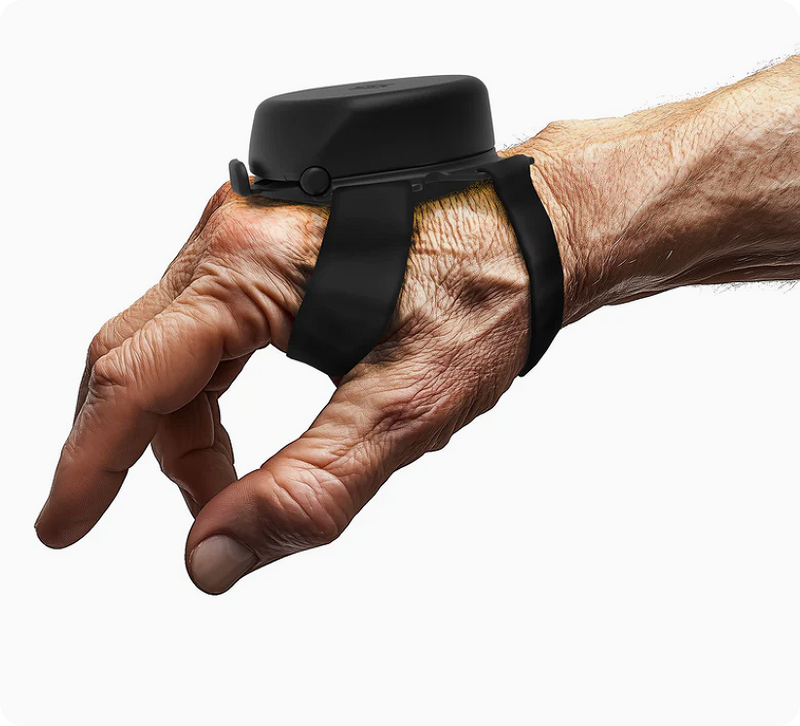
For many people with Essential Tremor, reducing tremor visibility during specific activities lowers the situations most likely to trigger embarrassment and avoidance. Assistive devices designed to stabilize hand tremor can support participation in tasks like eating socially, writing, and fine motor work that people commonly avoid. The Steadi-3 is an FDA-registered Class I medical device using passive magnetic stabilization, battery-free and prescription-free, validated to reduce tremor in 84% of users in a placebo-controlled study. It addresses the motor dimension of Essential Tremor; the emotional impact of stigma benefits from separate, targeted support.
Talking About Essential Tremor: Reducing Stigma Through Awareness
Deciding whether and how to explain Essential Tremor to others is a personal choice; many find that proactive, matter-of-fact disclosure reduces the social tension created by visible tremor. Framing Essential Tremor factually, as a neurological condition affecting motor control, gives observers accurate context and reduces misattribution. Patient advocacy organizations including the International Essential Tremor Foundation provide resources for education and community connection, which reduces the isolation that amplifies shame. Reclaiming control over daily activities and social participation, rather than organizing life around avoidance, supports better long-term quality of life.
Frequently Asked Questions
Why do people with Essential Tremor feel ashamed of their tremors?
Shame arises from the visibility of tremor in social settings and the incorrect assumptions observers often make that the person is nervous, intoxicated, or incompetent. These responses are documented in clinical research and are not a reflection of the individual's character or capability. Shame is a recognized emotional consequence of stigma, not an inevitable feature of living with Essential Tremor. Psychotherapy, peer support, and practical tremor management strategies can reduce the shame response over time.
How does Essential Tremor affect social life and relationships?
Essential Tremor affects social life through embarrassment, anticipatory anxiety about visible shaking, and avoidance of situations where tremor may be noticed. Research indicates a meaningful proportion of people with Essential Tremor withdraw from social activities, reducing connection and quality of life. Relationships can be affected when activities once shared with family or friends are limited. Peer support through organizations like the International Essential Tremor Foundation and professional mental health support can help restore participation.
Is anxiety common in people with Essential Tremor?
Yes, anxiety is one of the most commonly reported nonmotor experiences in Essential Tremor, affecting both social situations and daily function. It often takes the form of anticipatory worry about tremor visibility or judgment, as well as broader concern about disease progression. Brain regions associated with Essential Tremor, including the cerebellum and basal ganglia, also play roles in emotional regulation. Evaluation by a movement disorder specialist and, if needed, a mental health professional is the appropriate path forward.
How can people with Essential Tremor manage the emotional impact of the condition?
Managing the emotional impact involves clinical and practical approaches: cognitive behavioral therapy for anxiety and avoidance behaviors, psychotherapy for depression, and peer support through organizations like the IETF. Discussing emotional symptoms with a movement disorder specialist ensures they are treated as part of the condition, not dismissed. Practical tools that reduce tremor during specific tasks can lower exposure to stigma-triggering situations. There is no cure for Essential Tremor; emotional management is an ongoing component of comprehensive care.
Does reducing tremor severity improve the emotional impact of Essential Tremor?
Reducing tremor severity can lower the visibility that triggers stigma, which for many people reduces embarrassment and social avoidance. However, research suggests pharmacologic tremor suppression alone does not reliably reduce stigma-related psychological distress for everyone. The emotional and psychosocial dimensions of Essential Tremor benefit from targeted mental health support alongside motor symptom management. A combined approach- tremor tools, psychological support, and community connection- addresses both dimensions more fully than any single strategy.