
Hiding Tremors at Work: The Emotional Side of Workplace Concealment
For many people with Essential Tremor, hiding tremors at work is an exhausting daily effort that compounds the physical burden of the condition. This page addresses the emotional cost of concealment, the decision about workplace disclosure, available legal protections, and management tools that support control and independence at work. There is currently no cure for Essential Tremor, but management strategies can reduce the burden of concealment.

Why people with Essential Tremor hide their condition at work
The most commonly reported reasons for concealment are fear of being perceived as nervous, concern about coworker judgment, and worry about career consequences. Published research confirms that people with Essential Tremor experience elevated rates of anxiety, social phobia, and embarrassment. Essential Tremor is a neurological condition, not a sign of nervousness, but this misperception persists in many workplaces. Concealment requires active cognitive effort, which itself increases anxiety and may worsen tremor severity, creating a compounding and exhausting cycle.
The emotional cost of concealing Essential Tremor every day
Long-term concealment is associated with increased anxiety and social withdrawal, both documented comorbidities of Essential Tremor. Rates of depression, anxiety, and apathy are measurably higher in Essential Tremor than in the general population. Managing visibility at work can reduce productive energy and worsen tremor. Many people with ET describe a constant background awareness of their hands during meetings or presentations. Consulting a healthcare provider or mental health professional is appropriate when the emotional burden of concealment affects daily function.

Disclosure at work: what people with Essential Tremor need to know
There is no legal obligation to disclose Essential Tremor unless requesting accommodations. Under the ADA, employers who are informed of a disability must keep that information confidential and cannot share it with coworkers without consent. The ADA interactive process protects the employee's right to request accommodations. Consulting a healthcare provider before initiating disclosure is strongly recommended. This page does not constitute legal advice; for guidance specific to individual situations, consult the Job Accommodation Network or an employment attorney.
Workplace accommodations available for Essential Tremor
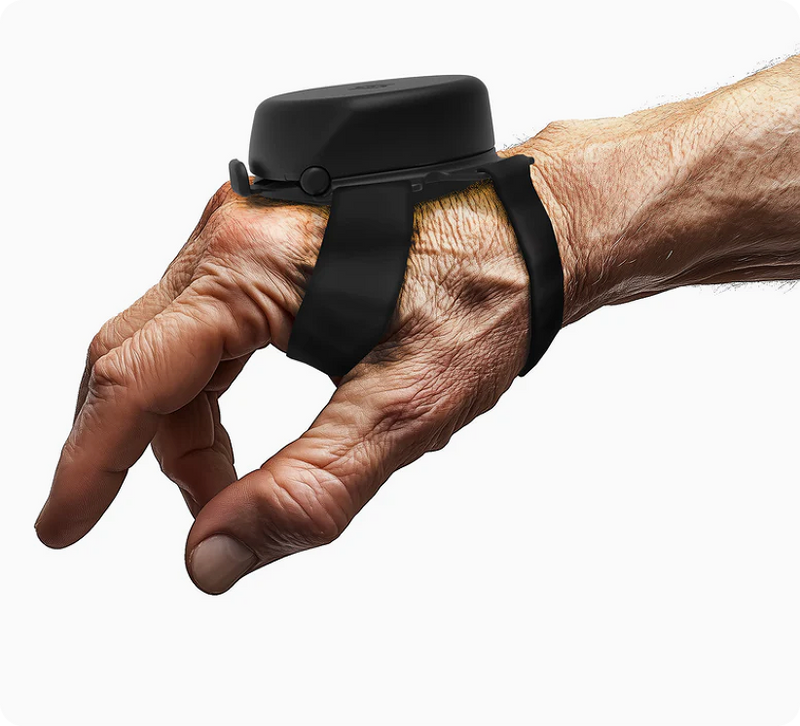
Verified accommodation examples from the Job Accommodation Network include telephone headsets, modified grip tools, voice-to-text software, workstation layout changes, and flexible scheduling. Wearable assistive devices such as the Steadi-3, an FDA-registered Class I medical device using passive magnetic stabilization, can reduce visible hand tremor during tasks requiring hand stability. In a placebo-controlled study, 84% of users experienced measurable tremor reduction. A healthcare provider can help determine which tools are appropriate for each individual situation and role.

How tremor severity at work changes over time
Published research found that among employed people with Essential Tremor, the large majority reported some degree of work impairment, with severity correlating directly to impact. Essential Tremor can progress over time; fatigue, stress, caffeine, and temperature extremes compound workplace challenges. Practical planning means reviewing accommodation needs periodically with a healthcare provider. There is no cure for Essential Tremor, but evidence-based management options, including FDA-registered assistive devices, medication review, and procedural treatments, are available through healthcare providers.
When hiding tremors at work stops working
For many people with Essential Tremor, there is a recognizable point at which active concealment begins to interfere more with work than the tremor itself would if acknowledged. This is an appropriate moment to consult a healthcare provider about management options, including assistive devices and workplace accommodations. Moving from concealment to managed visibility is not a loss of control; it is a shift in strategy that can restore independence and reduce the cognitive burden of constant self-monitoring at work.
Building a sustainable approach to Essential Tremor at work
A sustainable workplace approach for Essential Tremor typically combines informed disclosure decisions, appropriate accommodations, management tools that reduce visible tremor, and professional support for the emotional dimension. No single strategy works for every job or workplace culture; a healthcare provider can help design an individualized approach. The IETF offers educational resources and support groups. The Steadi-3, an FDA-registered Class I device using passive magnetic stabilization, is battery-free and discreet. There is no cure for Essential Tremor.
Frequently Asked Questions
Do I have to tell my employer I have Essential Tremor?
No. There is no legal requirement to disclose Essential Tremor to an employer unless requesting accommodations. Under the ADA, employees have the right to keep medical information private; disclosure is voluntary. If accommodations are needed, disclosure to the appropriate HR or supervisory contact initiates the ADA interactive process, which is protected and confidential. Consulting a healthcare provider and, if needed, the Job Accommodation Network (askjan.org) before disclosing is recommended. This is not legal advice; individual situations vary.
Can hiding my tremor at work make my symptoms worse?
There is a documented relationship between anxiety and tremor severity: stress and anticipatory anxiety are known to worsen Essential Tremor. The cognitive effort of concealing tremor in professional settings can increase anxiety, which in turn may amplify visible tremor. Published research confirms people with Essential Tremor experience higher rates of anxiety than the general population. A healthcare provider can assess whether anxiety management strategies, including medication review or referral to a mental health professional, may help reduce this compounding effect.
What workplace accommodations are available for Essential Tremor?
Verified accommodations from the Job Accommodation Network include modified grip tools, telephone headsets, voice-to-text software, ergonomic workstation adjustments, and flexible scheduling. Assistive wearable devices such as the Steadi-3, which uses passive magnetic stabilization, can reduce visible hand tremor during fine motor tasks. Accommodations are determined through the ADA interactive process; not all people with Essential Tremor require them. Consult a healthcare provider to identify which tools are appropriate for your tremor severity and job requirements before initiating any accommodation request.
How does Essential Tremor affect job performance over time?
Published research found that among employed people with Essential Tremor, the large majority reported some work impairment, with impact correlating to tremor severity. Jobs requiring precise hand movements or extended writing are most affected; the degree varies between individuals. Essential Tremor can progress over time, making periodic review of management strategies important. There is no cure for Essential Tremor, but FDA-registered assistive devices, medication, and procedural treatment options are available through healthcare providers.
Is it possible to maintain a full career while living with Essential Tremor?
Many people with Essential Tremor maintain full careers across a wide range of professions; severity varies considerably between individuals. Legal protections under the ADA, available workplace accommodations, and FDA-registered assistive devices expand what is possible for people managing tremor at work. Proactive engagement with a healthcare provider, rather than relying solely on concealment, is associated with better long-term outcomes. The IETF connects people with ET to community support; essentialtremor.org is a credible starting point for employment-related guidance.