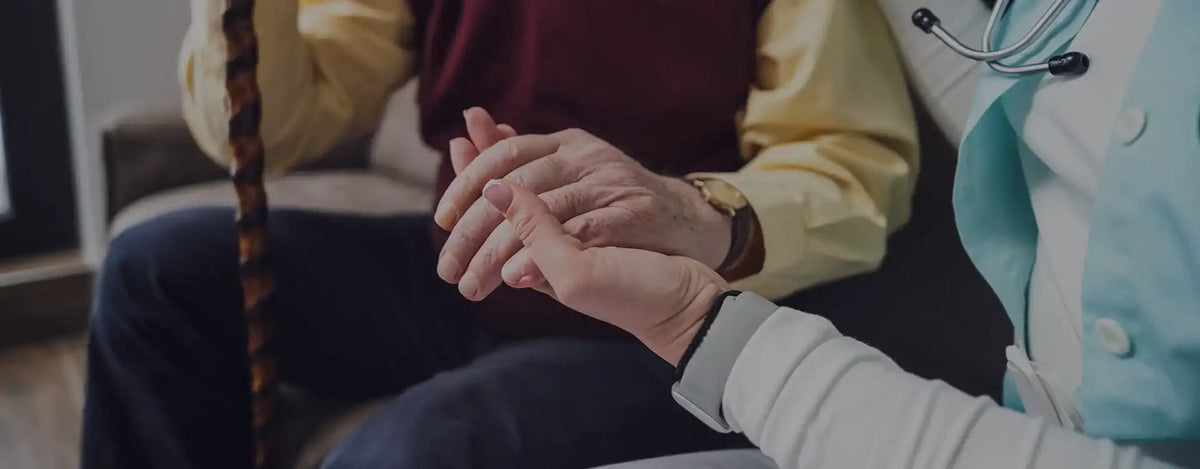
Dating with Essential Tremor: Disclosure, Communication, and Relationships
Dating with Essential Tremor means navigating something deeply personal in a vulnerable context. Essential Tremor is a neurological condition affecting millions; its effects extend into romantic relationships and dating life. This page covers practical guidance on disclosure, communication, and maintaining meaningful connection. There is currently no cure for Essential Tremor, but management strategies support a full social and romantic life.

When and how to tell a partner about your Essential Tremor
There is no single right moment to disclose Essential Tremor to a partner. Many people with ET wait until a relationship feels meaningful rather than disclosing on a first date. Healthcare providers advise framing ET as a manageable neurological condition, not a limitation. Being prepared to explain what causes visible shaking and what management tools exist sets an accurate tone. There is no cure for Essential Tremor, but it does not affect lifespan or cognitive ability in most cases.
How Essential Tremor affects emotional intimacy
Peer-reviewed research documents that people with Essential Tremor experience elevated rates of anxiety, social phobia, and embarrassment, all of which affect personal and romantic relationships. Fear of visible shaking during meals or physical touch can increase anticipatory anxiety before those moments arrive. Acknowledging this emotional reality, rather than minimizing it, is the first step toward managing it. Consulting a healthcare provider or mental health professional is appropriate when these concerns begin affecting daily social function.
Communication strategies for couples when one partner has Essential Tremor
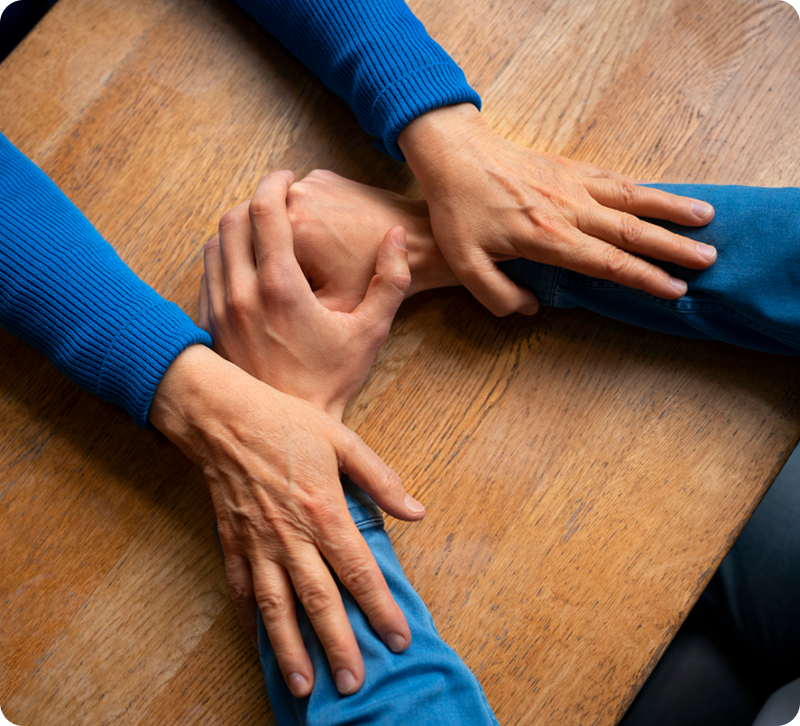
Clinical studies confirm that partners of people with Essential Tremor often take on informal caregiver roles, affecting roughly 25% of cases, and that a partner's perception of their loved one's suffering is the strongest predictor of relationship strain. Naming what kind of support is needed on a given day reduces misunderstanding. Practical communication includes explaining how tremor severity varies. Partners benefit from information sourced from the International Essential Tremor Foundation and from consulting their own healthcare providers.
Managing tremor symptoms during dates and social situations
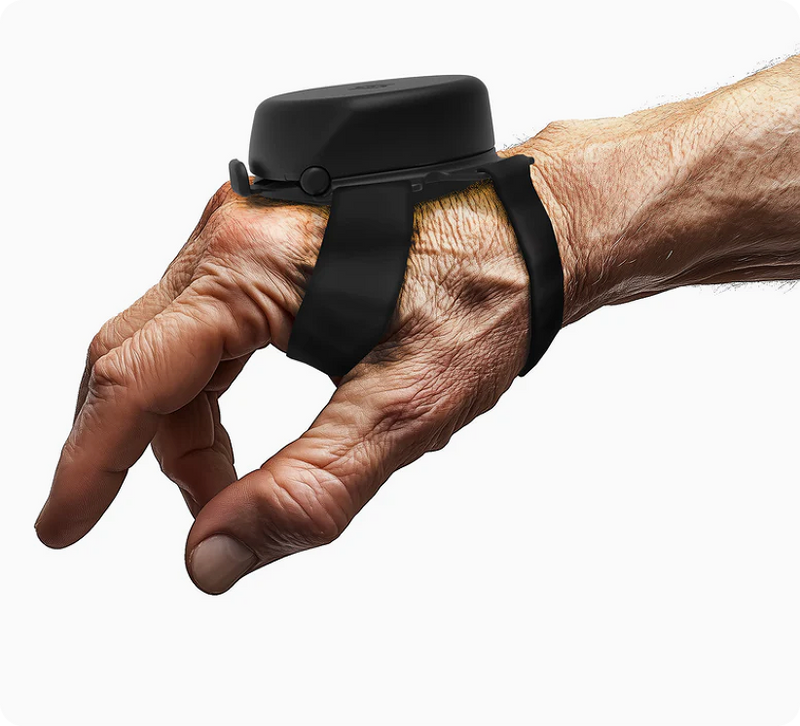
Dining out is consistently cited as one of the most anxiety-inducing situations for people with Essential Tremor, especially on early dates. Choosing familiar, lower-pressure settings reduces situational stress. Assistive devices such as the Steadi-3, an FDA-registered Class I medical device using passive magnetic stabilization, can reduce visible hand tremor during meals. The Steadi-3 is battery-free and lightweight. In a placebo-controlled study, 84% of users experienced measurable tremor reduction. Consulting a healthcare provider before selecting any approach is recommended.

Essential Tremor, dating apps, and self-presentation
There is no obligation to disclose Essential Tremor in a dating profile; the decision depends on individual comfort. Some people choose a brief mention to pre-select for accepting partners; others prefer in-person disclosure once trust is established. Neither approach is universally correct. What matters is that disclosure happens before a relationship becomes serious enough that delay feels deceptive. People who disclose ET early often find it filters out incompatible partners and opens the relationship from a position of honesty.
How partners can support someone living with Essential Tremor
Partners of people with Essential Tremor benefit from basic education: what causes the condition, how it progresses, and how it varies day to day. The International Essential Tremor Foundation offers support groups for people affected by ET, including family members and partners. Practical support means asking rather than assuming what is needed on a given day, since tremor severity is not static. Published research confirms caregiver stress in ET is real. Healthcare providers can offer guidance tailored to caregiver wellbeing.
Building a relationship that includes Essential Tremor without being defined by it
Relationships built on honest communication and practical management tend to be more resilient over time, regardless of a chronic neurological condition. Essential Tremor may change in severity; building flexibility into shared daily tasks preserves independence for the person with ET. Management tools, including FDA-registered assistive devices, professional therapy, and provider-guided medication review, expand daily activities available to couples. There is currently no cure for Essential Tremor, but many people with the condition build lasting relationships centered on control and independence.
Frequently Asked Questions
Should I tell someone I have Essential Tremor before the first date?
There is no obligation to disclose before a first date. Essential Tremor is a personal health condition and timing is entirely the individual's choice. Many people with ET disclose once they feel safe and the connection is meaningful. Framing the conversation around management, control, and independence tends to be more effective than framing it around limitation. Consulting a healthcare provider or counselor can help prepare for this conversation. What matters most is that disclosure happens before the relationship becomes serious.
Can Essential Tremor affect physical intimacy?
Essential Tremor can increase anticipatory anxiety in intimate situations, particularly when visible shaking feels unpredictable. Published clinical research confirms anxiety and social phobia are common comorbidities of Essential Tremor and affect intimate relationships. Open communication with a partner is consistently the most practical first step. Consulting a healthcare provider or mental health professional provides additional support. FDA-registered assistive devices, medication, and professional therapy can reduce the daily impact of Essential Tremor, though there is currently no cure for the condition.
How do I explain Essential Tremor to someone I'm dating?
A clear, factual explanation works best. Essential Tremor is a neurological condition causing involuntary rhythmic shaking, most often in the hands. It is not caused by nervousness and is not contagious. Mentioning that there is no cure, but that the condition is manageable and does not affect lifespan or cognitive ability in most cases, gives an accurate picture. Offering to share the IETF website gives a curious partner a credible resource. Most people respond well to calm, matter-of-fact explanations.
What can my partner do to support me when my Essential Tremor is worse?
The most consistent guidance from people living with Essential Tremor is to ask rather than assume. What is helpful on a high-tremor day may differ from a low-tremor day. Partners can help by learning what triggers worsen tremor, including fatigue, caffeine, and stress. Consulting a healthcare provider together helps both develop a practical plan. Assistive devices such as the Steadi-3, an FDA-registered Class I device using passive magnetic stabilization, can reduce visible tremor in shared daily activities.
Do couples where one partner has Essential Tremor need professional support?
Not every couple requires professional support, but published research confirms that partners of people with Essential Tremor experience measurable caregiver stress, particularly at higher tremor severity. A mental health professional experienced with chronic neurological conditions can help both partners develop communication strategies. The IETF offers support groups for people with ET and their families, a practical starting point for community and shared experience. Healthcare providers can also refer to occupational therapists for daily management strategies that benefit both partners.