Choosing gifts for Parkinson's patients means looking past generic comfort items and matching each choice to a specific symptom barrier. Parkinson's Disease affects motor control, daily tasks, and independence in predictable, stage-specific ways. This guide leads with clinically validated tremor management options, covers adaptive tools for every symptom category, and organizes recommendations by budget so caregivers and family members can choose with confidence — strike that, see note — so caregivers and family members can make an informed choice.
Why Parkinson's Disease Changes What Makes a Gift Meaningful
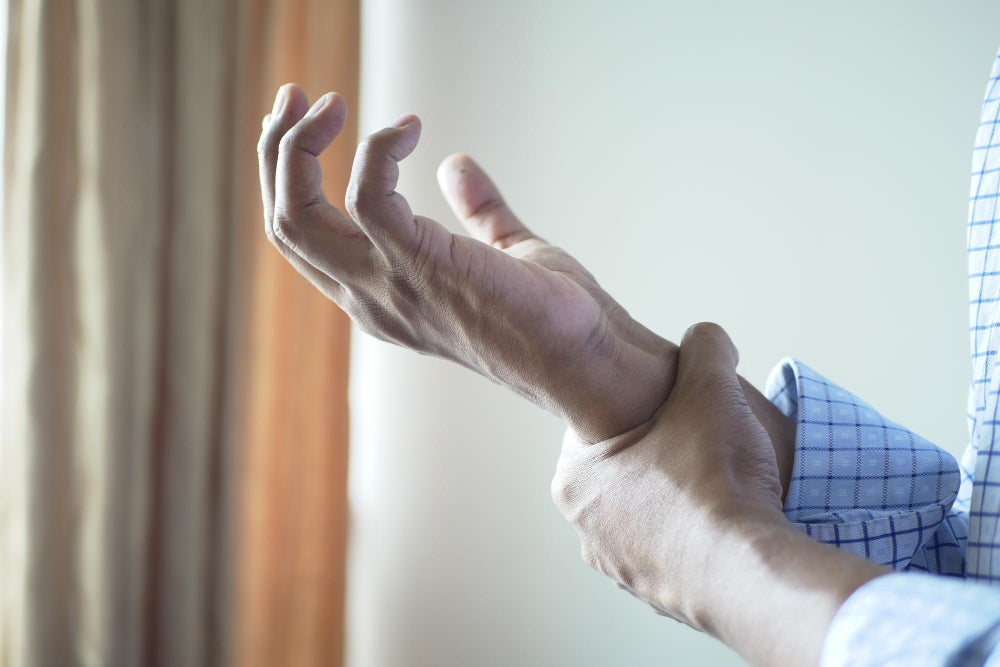
Parkinson's Disease involves three core motor symptom categories: tremor (involuntary shaking), rigidity (muscle stiffness), and bradykinesia (slowness of movement). According to the Parkinson's Foundation, approximately 60,000 new diagnoses occur in the United States each year. There is currently no cure for Parkinson's Disease; the tools and devices in this guide support management and independence rather than treatment of the underlying condition. A gift that addresses tremor may do little for rigidity, and vice versa. Matching the gift to the recipient's dominant symptoms is the principle that separates a truly useful choice from a well-intentioned but frustrating one.
The Gift That Addresses Tremor Directly — and Why It Matters Most
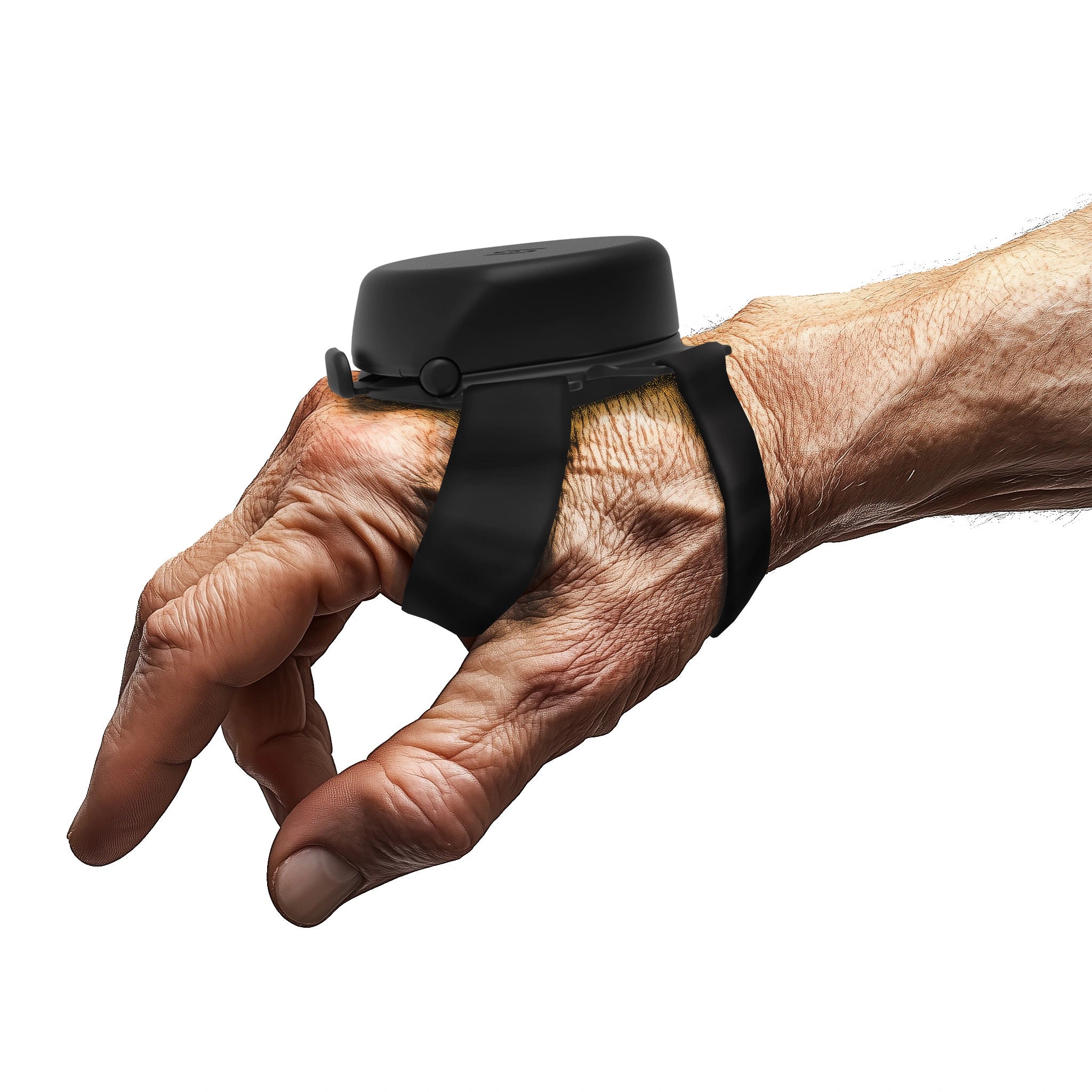
Most gift guides treat weighted utensils as the ceiling for tremor management. They are not. Tremor is the most visible and disruptive Parkinson's Disease symptom for the majority of patients, and a clinically validated tremor stabilization glove represents a fundamentally different category of gift. The Steadi-3 is the only battery-free, FDA-registered Class I device in this category, backed by a placebo-controlled clinical study in which 84% of users experienced improved tremor control. For gift buyers, a 30-day money-back guarantee removes purchase risk.
Adaptive Kitchen and Dining Tools — for Tremor and Grip Challenges

Adaptive dining equipment is the most frequently recommended gift category across every competitor guide, and for good reason. Weighted forks and spoons add mass that partially counteracts tremor amplitude during meals. Anti-spill cups and vacuum-sealed mugs prevent the spills that make eating in social settings stressful. Easy-grip plates with raised edges support independent eating without requiring a caregiver's assistance. Occupational therapists regularly recommend these tools as accessible, lower-cost entry points for managing parkinson's assistive devices needs at the table. Note that these tools compensate for the functional impact of tremor during a specific task rather than reducing the tremor itself.
Adaptive Clothing and Dressing Aids — Restoring Morning Independence
Dressing is among the most commonly reported daily living challenges in Parkinson's Disease, and occupational therapy guidance consistently identifies clothing modifications as a high-priority adaptation. Magnetic button shirts eliminate fine-motor demands of standard fasteners. Front-zip pants and slip-on shoes with grip soles reduce dressing time and physical frustration. Long-handled shoehorns and button hooks promote independence for patients who prefer minimal assistance. The best choices prioritize practical function while preserving the recipient's sense of control over their routine.
Smart Home Devices and Voice Assistants — Independence Without Fine Motor Skills
Voice-activated assistants allow Parkinson's patients to control lights, set medication reminders, make calls, and play music without fine motor manipulation. Amazon Echo and Google Nest devices are the most accessible entry points, and smart plugs extend voice control to existing home appliances. This category is particularly impactful for patients managing both tremor and rigidity. At a $50 to $200 price point, pairing the device with an initial setup session ensures the recipient can use it independently from day one.
Comfort, Sleep, and Relaxation Gifts — Addressing Non-Motor Symptoms
Non-motor symptoms are among the most under-addressed dimensions of Parkinson's Disease gift selection. Sleep disorders affect approximately 75 to 90% of Parkinson's patients, driven by rigidity, REM behavior disorder, and pain. Weighted blankets provide proprioceptive input that reduces anxiety and involuntary movement. Non-slip-grip socks and padded slippers directly address fall risk at every stage of the disease. Heated massage pads ease muscle rigidity between physical therapy sessions. This category suits under-$100 budgets and is appropriate for patients at moderate to advanced stages.
Enrichment and Activity Gifts — Supporting Cognitive and Emotional Health
Parkinson's Disease affects mood and cognitive health alongside motor function, and both the Parkinson's Foundation and the Michael J. Fox Foundation document cognitive engagement as a meaningful contributor to quality of life. Adapted large-piece puzzle sets, audiobook subscriptions, and hobby kits designed for those with limited fine motor control provide mental stimulation and a sense of daily purpose. Digital photo frames and streaming subscriptions support social connection for patients with mobility limitations. Enrichment gifts are among the most universally appropriate choices across all disease stages and budget ranges, and they signal to the recipient that their interests and identity matter beyond the diagnosis.
A Budget Guide to Gifts for Parkinson's Patients — from $25 to $800+
No top competitor provides a structured price-tier framework for Parkinson's Disease gifts. Under $50: weighted pens, non-slip grip socks, adaptive utensil sets, and large-piece puzzle kits. $50 to $200: smart speaker with initial setup, weighted blanket, adaptive clothing starter set, or anti-spill tableware bundle. $200 to $500: voice assistant plus smart plug bundle, quality adaptive clothing package, or an enrichment subscription paired with hobby tools. $500 and above: the Steadi-3 tremor stabilization glove, the only clinically validated option in this category, backed by a 30-day trial. Every tier addresses a real functional need, not just a price point.
What to Avoid — Common Gifts That May Not Actually Help
Well-intentioned gifts can frustrate rather than help when they ignore the specific demands Parkinson's Disease places on motor control. Gifts that require fine motor skill to set up or operate — standard puzzles with small pieces, craft kits, or appliances with complex button arrays — can become obstacles rather than pleasures. Gym equipment designed for unimpaired balance and motor function may pose fall risk. Gifts that draw visible attention to a medical diagnosis in public or social settings can feel stigmatizing. The guiding principle for adaptive gifts for Parkinson's Disease is straightforward: Does this gift return something to the person, or does it ask them to give more?
How Caregivers Can Choose the Right Gift at Any Stage of Parkinson's Disease
Gift suitability shifts meaningfully across the stages of Parkinson's Disease. In the early stages (Hoehn and Yahr Stages 1 to 2), independence-restoring tools are the priority: tremor-stabilization devices, adaptive dining tools, and smart home technology. At Stage 3, balance and fall-prevention gifts become important alongside tremor management. At Stages 4 and 5, comfort, ease of care, and caregiver-support tools take precedence. Caregivers should consider consulting the patient's occupational therapist before selecting high-investment adaptive items.
When a Gift Can Also Be a Medical Tool: The Steadi-3

No other gift category directly reduces hand tremor during the daily tasks that matter most: eating, writing, and holding a cup. The Steadi-3 is a battery-free, FDA-registered Class I medical device that uses patented passive magnetic stabilization requiring no electronics, no charging, and no prescription. A placebo-controlled clinical study with blinded neurologist assessments showed 84% of users experienced improved tremor control. For caregivers who have researched Parkinson's Disease management, the clinical evidence is the deciding factor. The 30-day money-back guarantee removes financial risk, and FSA and HSA funds may apply toward the purchase.
Conclusion:
The most meaningful gifts for Parkinson's patients are those that address a specific, real symptom barrier rather than offering generic comfort. Tremor management stands out as the highest-impact and most underserved category in standard gift guides. Most options compensate for the functional effects of tremor; only clinically validated devices reduce it directly. Caregivers who want to make a lasting, practical difference should prioritize evidence-based options that support independence in the daily tasks that matter most.