Parkinson's stage 2 marks the point at which Parkinson's Disease transitions from one-sided symptoms to bilateral motor involvement, signaling a meaningful shift in daily function. Using the Hoehn and Yahr scale as the clinical framework, Stages 2 and 3 represent the arc from manageable bilateral symptoms to functionally limiting impairment. This article covers the clinical definitions, how tremors affect specific daily activities, and what management options are available at each stage.
What Happens at Parkinson's Stage 2?
Stage 2 on the Hoehn and Yahr scale is characterized by bilateral motor involvement with no impairment of balance. Tremors become noticeable in both hands, though one side typically remains more affected. Rigidity and bradykinesia slow everyday movements, making tasks like buttoning a shirt or preparing a meal more effortful. Facial masking and posture changes often begin at this stage. Crucially, most patients at Stage 2 can still live independently, which distinguishes this stage clinically and functionally from Stage 3.
Bilateral Tremors at Stage 2 — What This Looks Like in Practice
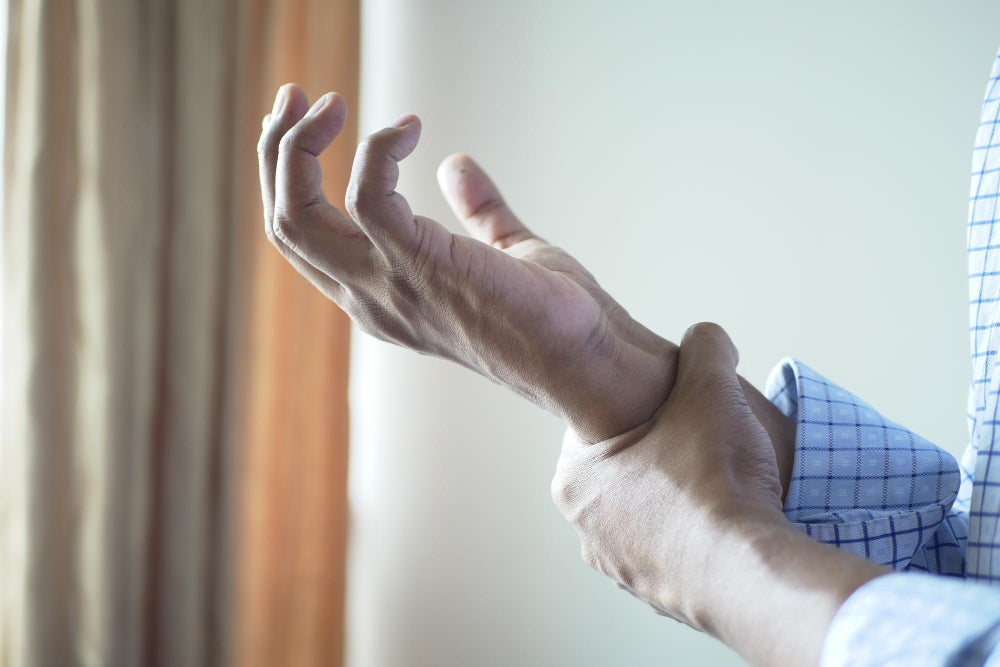
At Stage 2, bilateral tremor means both hands are involved, though the severity may differ between sides. The hallmark is resting tremor — visible shaking when the hand is relaxed and not actively used. Action tremors emerge during tasks such as holding a cup, writing, or scrolling on a phone. These tremors may not yet prevent task completion, but they increase the risk of spillage, slow handwriting, and require additional physical effort for fine-motor work. Patients often notice handwriting changes before gross motor decline, given the task's precision.
What Changes at Parkinson's Stage 3?

Stage 3 introduces postural instability alongside the bilateral motor symptoms already present. According to the Hoehn and Yahr scale, this stage is characterized by impaired postural reflexes, a measurably higher risk of falls, and slowed reflexes during balance correction. Patients at Stage 3 remain physically independent but require more time and adaptive strategies to complete daily tasks. Mayo Clinic and Cleveland Clinic identify postural instability — not worsened tremor severity alone — as the primary clinical marker distinguishing Stage 3 from Stage 2.
How Tremors Change from Stage 2 to Stage 3
Across the Stage 2 to Stage 3 progression, tremors generally increase in amplitude and bilateral expression. Tasks manageable with effort at Stage 2 become consistently difficult at Stage 3. Many patients with stage 3 Parkinson's Disease report that tremors during eating are among the most disruptive daily symptoms; others find that writing deteriorates first. It is important to note that the progression rate varies significantly. Some patients remain at Stage 2 for a decade or more. The Parkinson's Foundation notes that tremor characteristics are not uniform — some patients experience more rigidity than tremor throughout.
Daily Activities Most Affected at Stages 2 and 3
Fine motor tasks are typically the first to show functional decline. Eating with a fork or spoon and holding a filled cup become the earliest daily friction points as Parkinson's Disease tremors increase in bilateral expression. Handwriting degrades early because of the precision it requires. Personal grooming tasks — shaving, brushing teeth, applying makeup — follow as Stage 2 progresses into Stage 3. At Stage 3, food preparation and dressing may require adaptive tools or strategies. The Davis Phinney Foundation identifies these task-specific breakdowns as more clinically useful markers than tremor frequency alone.
Treatment Options for Mid-Stage Tremors — Medications
There is currently no cure for Parkinson's Disease. Medication at Stages 2 and 3 focuses on managing motor symptoms. Levodopa, typically prescribed as carbidopa-levodopa, remains the most effective pharmacological option for reducing tremor and bradykinesia. Dopamine agonists and MAO-B inhibitors may be used alongside or in place of levodopa, depending on age and symptom profile. At Stage 3, motor fluctuations — "on/off" periods where tremors return between doses — become more common. All medication decisions should be made with a neurologist or movement disorder specialist. Parkinson's Disease tremors respond to medication, but treatment requires regular reassessment.
Physical Therapy and Exercise at Stages 2 and 3
Exercise has strong clinical evidence for slowing functional decline in Parkinson's Disease. Physical therapy at Stages 2 and 3 targets gait, balance, and strength — all of which face increasing pressure as Stage 3 Parkinson's Disease symptoms emerge. LSVT BIG is a validated PT protocol developed specifically for Parkinson's that addresses motor amplitude and functional reach. Occupational therapy focuses on adapting daily tasks through grip strategies, adaptive utensils, and workspace modification. The Michael J. Fox Foundation and NIH NINDS both document exercise as a core non-pharmacological intervention, and PT is most effective when introduced early, at Stage 2 or before balance impairment sets in.
When to Start Using a Tremor Management Device — A Stage-Based Guide
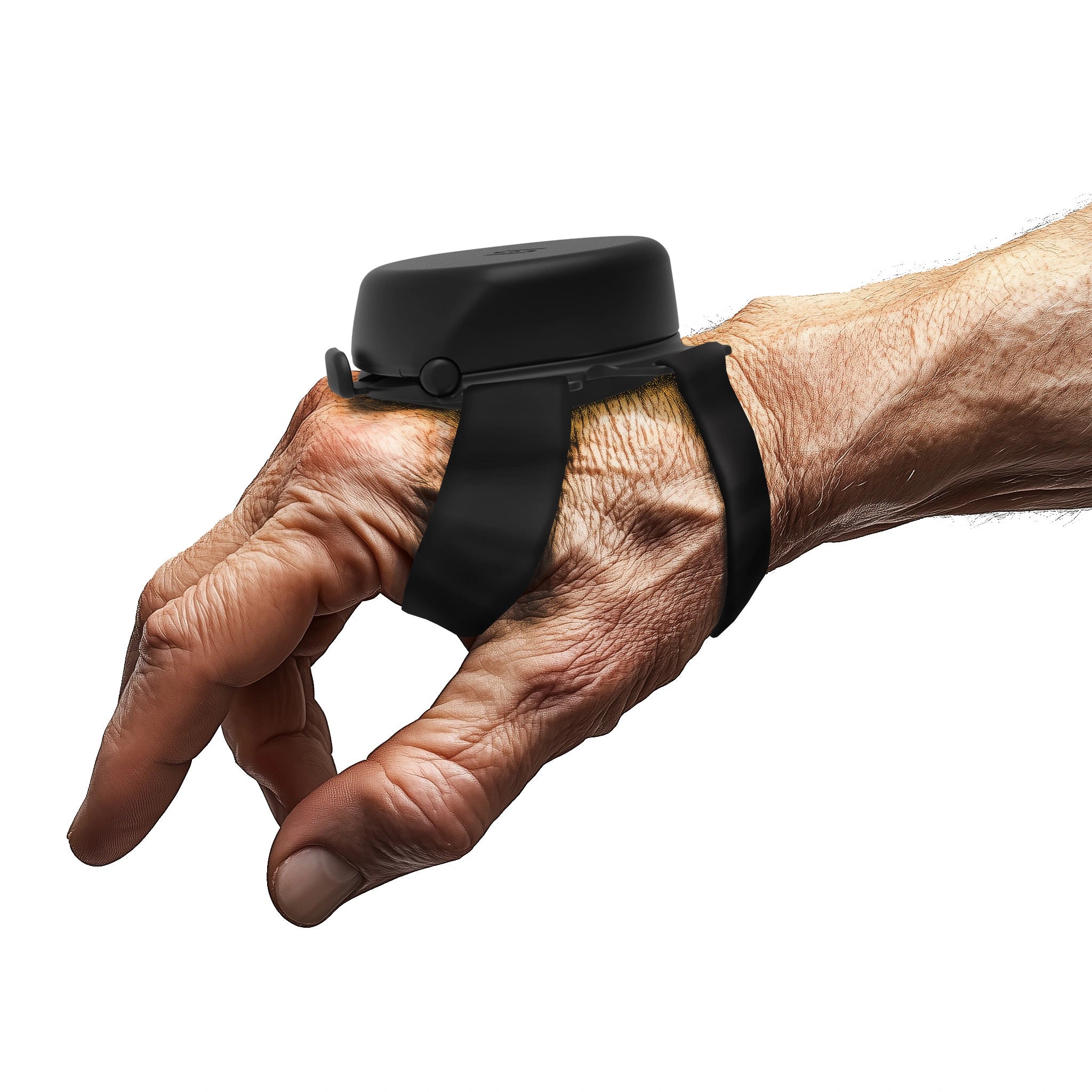
No top-ranking competitor addresses when a tremor management device becomes appropriate during Parkinson's Disease progression. Occupational therapy literature supports introducing assistive technology before task difficulty reaches a level that triggers avoidance behavior. At Stage 2, Parkinson's Disease daily activities are still largely completable, making this the optimal window to trial a device and build familiarity before compensatory habits like overgripping or avoiding meals with others become entrenched. At Stage 3, adoption remains effective but runs counter to more established patterns. Explore the Steadi-3 tremor glove and review the stages of Parkinson's Disease for further context.
A Guide for Caregivers — Supporting Someone at Stages 2 and 3
Caregivers supporting someone through Stage 2 and Stage 3 of Parkinson's Disease face a consistent challenge: when and how to intervene without reducing independence. The core occupational therapy principle is to support function, not substitute it. Adaptive tools are preferable to performing tasks for the person. At Stage 2, caregivers can identify which Parkinson's Disease daily activities are becoming difficult and research assistive options early. At Stage 3, fall prevention, meal-preparation support, and regular communication with the treating neurologist take priority.
Stage 3 Parkinson's Disease Symptoms Beyond Tremor
Stage 3 Parkinson's Disease symptoms extend well beyond tremor. Bradykinesia affects dressing and hygiene to the same extent as shaking does. Facial masking reduces expressiveness and can strain social interaction. Speech may become softer — a symptom called hypophonia. Non-motor symptoms are also prevalent at this stage: sleep disruption, fatigue, and mood changes are commonly reported by patients and caregivers. According to APDA and Mayo Clinic staging descriptions, these symptoms, when combined with tremor, compound the difficulty of daily tasks. Treatment planning at Stage 3 should address the full symptom profile, not just bilateral tremor.
How the Steadi-3 Supports Independence at Parkinson's Stages 2 and 3

The daily task difficulties described above — eating, writing, and holding a cup — are the functional moments where a wearable tremor device becomes most relevant. The Steadi-3 is a battery-free, FDA-registered Class I medical device that uses patented passive magnetic stabilization to reduce hand tremors during these specific activities. No electronics, no charging, and no prescription are required. A placebo-controlled clinical study showed a reduction in tremor in 84% of users. Patients and caregivers can review the clinical data at the Steadi-3 validation study and explore the Steadi-3 tremor glove. Consult a healthcare provider to determine whether this device is appropriate for your stage and symptom profile.
Conclusion
Parkinson's stages 2 and 3 represent a critical intervention window. Balance is still largely intact at Stage 2, medications remain effective, and adaptive tools introduced early can preserve independence in the daily tasks that matter most. No cure exists for Parkinson's Disease, but the available management options — medication, physical therapy, occupational therapy, and assistive devices including clinically validated tremor-stabilizing gloves — give patients and caregivers meaningful tools. The right time to act is during this window, with guidance from a neurologist or movement disorder specialist.