Hand tremors after surgery affect 40–60% of patients who receive general anesthesia — and in most cases, they resolve within hours. This guide explains why they happen, how long they last, and when persistent shaking after surgery warrants medical evaluation.
Is It Normal to Have Shaky Hands After Surgery?
Yes, shaking after surgery is one of the most common experiences patients report — it affects roughly 40–60% of people who receive general anesthesia. Most cases begin as you wake up, resolve within 20 to 30 minutes, and clear completely within a few hours. It's not a sign that something went wrong during your procedure.
The important distinction: acute post-anesthesia shivering is expected and self-limiting. Hand tremors that persist for days or weeks deserve closer attention.
What Causes Shaking After Surgery?
General anesthesia disrupts body temperature regulation, so you lose heat during surgery and shake on waking to generate warmth (thermoregulatory shivering). Anesthetic agents like sevoflurane, desflurane, and propofol can also trigger tremors independently by affecting neurotransmitter activity. Post-operative pain and adrenaline amplify the response.
Why Do Hand Tremors After Surgery Feel Different From Full-Body Shaking?
Emergence shivering is generalized and resolves with warming. Hand-specific tremors often stem from medication side effects or neurological response — the management approach differs.
What Do Post-Surgery Tremors Feel Like?
Most patients describe post-anesthesia tremors as uncontrollable, rhythmic shivering that feels similar to being intensely cold — even when the room is warm. Anesthesia tremors often involve the entire body, with chattering teeth and jaw clenching. Hand-specific shaking may feel fine and fast, rather than a large shiver, and may sometimes be limited to one side. The intensity typically peaks within the first 10 minutes of waking and fades gradually. Many patients report feeling fully alert but unable to stop the shaking.
Medications That Can Cause Tremors After Surgery

Several drugs used during and after surgery can trigger hand tremors. Opioid analgesics (morphine, fentanyl) cause fine tremor and muscle twitching at higher doses. Anti-nausea medications — especially metoclopramide — are linked to extrapyramidal effects that may persist after discontinuation. Muscle relaxants can cause shaking or fasciculations as they wear off. Beta-blocker withdrawal is another culprit: patients on propranolol for Essential Tremor may experience rebound tremor if it's paused.
Tell your surgical team every medication you take beforehand — most drug-related shaking is preventable.
How Long Do Tremors Last After Surgery?
Duration depends on the cause. Anesthesia-related emergence shivering typically resolves within 20 to 60 minutes in the recovery room as body temperature returns to normal. Pain and anxiety-driven shaking clears within hours to 1–2 days. Medication-induced tremor varies by drug half-life — most resolve within 1–4 days, though metoclopramide can cause tremor lasting 1–2 weeks. The threshold that matters is two weeks. If your hands are still shaking beyond that, it's no longer routine — call your physician.
Which Types of Surgery Most Commonly Cause Post-Surgical Tremors?
Longer procedures carry a higher risk of post-surgery shaking because extended anesthesia exposure disrupts temperature regulation more severely. Abdominal, orthopedic (especially hip and knee replacements), and cardiac surgeries top the list for emergence shivering rates. Operations requiring large IV fluid volumes or cold irrigation amplify heat loss. Neck, shoulder, or spinal procedures can also produce hand-specific tremors from nerve irritation near the surgical site. Minor outpatient procedures under local anesthesia rarely trigger significant tremors.
When Post-Surgical Tremors Last Longer Than Expected
When hand tremors persist beyond two weeks or worsen over time, the cause is usually one of three things: a medication side effect that hasn't cleared, nerve irritation at the surgical site (especially after neck, shoulder, or upper-limb procedures), or an undiagnosed movement disorder. Red flags warranting a neurologist referral: rhythmic, consistent tremor, tremor at rest, accompanying stiffness, slowness, or balance changes, or shaking affecting one hand specifically. Most patients don't need a specialist — this is for the minority whose symptoms persist.
Can Surgery Trigger an Underlying Tremor Condition?
Surgery cannot cause Essential Tremor or Parkinson's Disease, but it can act as a stress trigger that reveals a condition already developing beneath the surface — especially in patients over 60 or with a family history. Perioperative stress, sleep disruption, and medication changes can push a subclinical tremor into a visible range. If your tremors persist beyond two weeks, appear rhythmic, or occur at rest, get evaluated. A movement disorder neurologist can distinguish post-surgical shivering from a newly presenting condition.
How to Manage Hand Tremors During Post-Surgical Recovery
For immediate post-anesthesia shaking, warming is the standard response — recovery rooms use blankets, warm IV fluids, and forced-air devices to restore body temperature. Tell the nursing staff if you feel cold. For medication-related tremor, talk to your care team about substitutions or dose adjustments, especially if a pre-surgical beta-blocker was paused. For anxiety-related shaking, controlled breathing and pain management help. For persistent hand tremors affecting eating or writing, a wearable stabilizing glove offers immediate support — no prescription required.
How to Reduce Your Risk of Tremors After General Anesthesia
You can lower your chances of hand tremors after surgery with a few pre-op steps. Ask your anesthesiologist about pre-warming protocols — 30 minutes of warming before induction significantly reduces emergence shivering. Stay well-hydrated in the days leading up to your procedure, and avoid caffeine the morning of surgery, as it amplifies physiological tremor. Share your full medication list, including supplements. If you already have Essential Tremor, confirm the plan for continuing your propranolol perioperatively to prevent rebound.
Managing Persistent Hand Tremors After Surgery — How the Steadi-3 Can Help

Patients with hand tremors after surgery often struggle with basic recovery tasks — holding a fork, drinking from a cup, and signing paperwork. Waiting weeks for a specialist or medication adjustment isn't always realistic.
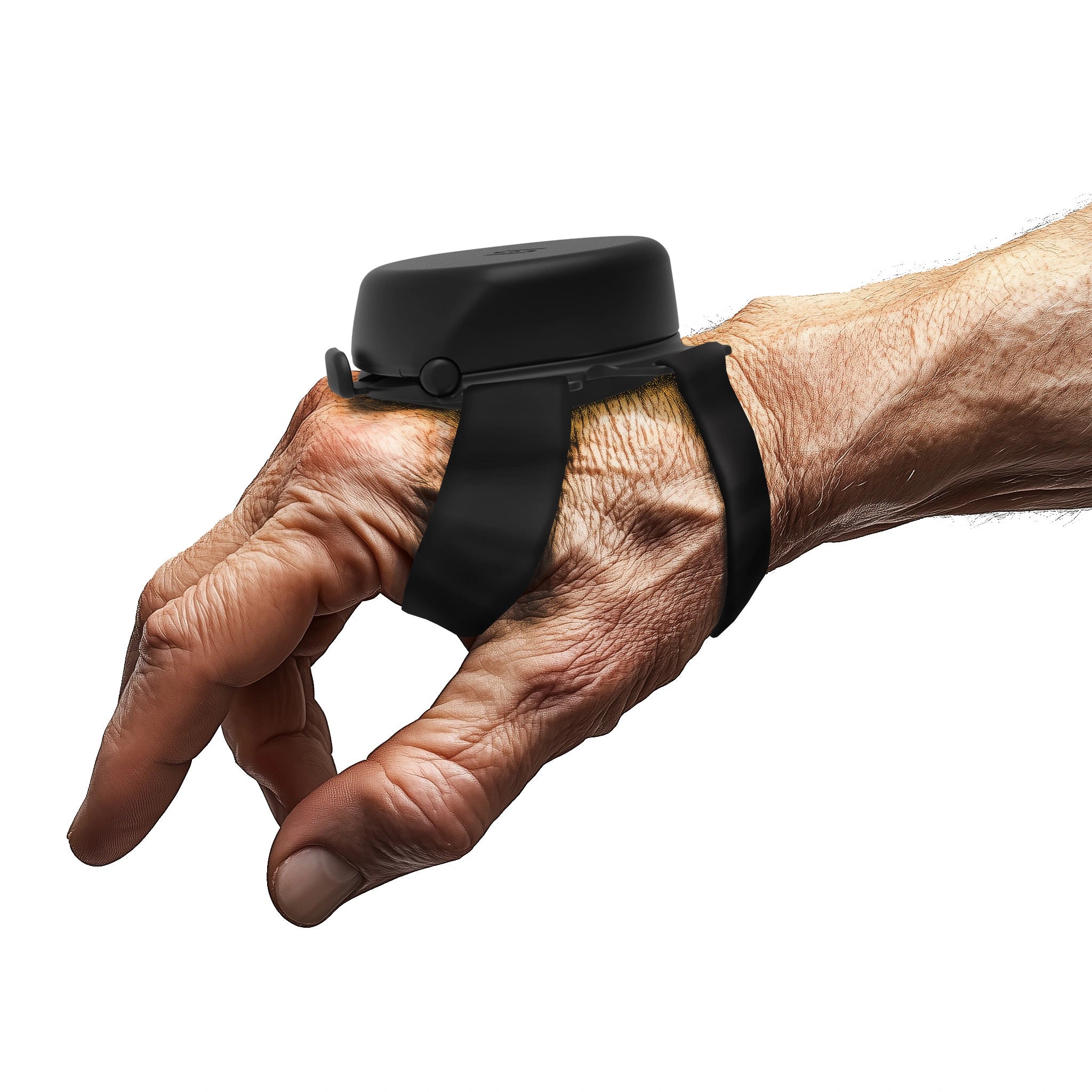
The Steadi-3 hand tremor stabilizer uses passive magnetic dampening to counteract tremor motion — no batteries, no charging, no prescription. Validated in a placebo-controlled study showing improved tremor control in 84% of participants, it works the moment you put it on.
The Steadi-3: battery-free, lightweight, no prescription required.
Conclusion
Shaking after surgery is common, expected, and almost always temporary. Most patients recover within hours to a few days as anesthesia-related temperature disruption, medication effects, and stress response resolve naturally. If your shaking cleared within 24–48 hours, that's the standard course. Remember the two-week rule: if tremors persist, are rhythmic, and interfere with daily tasks, seek medical evaluation. A neurologist can identify whether medication or an underlying condition is the cause. Practical tools exist to support recovery in the meantime.