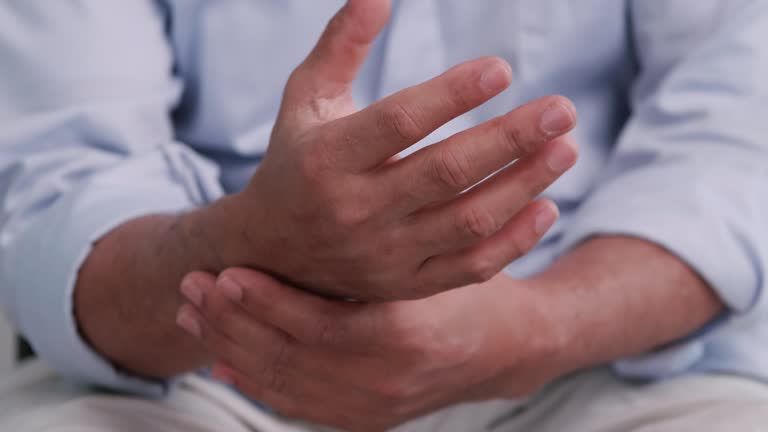
Hand tremor exercises are one of the most commonly recommended non-invasive strategies for people managing Essential Tremor or Parkinson’s Disease. Many patients look for practical ways to stabilize their hands during everyday activities such as eating, writing, typing, or cooking. While medication and medical treatments can play an important role, targeted exercises can also help strengthen muscles, improve coordination, and support better hand control.
Physical therapists often include structured hand tremor exercises in treatment plans because the hands rely on small stabilizing muscles that respond well to regular movement training. When practiced consistently, exercises to reduce hand tremors may help improve grip strength, dexterity, and motor control during daily tasks.
It is important to set realistic expectations. Exercise does not cure tremors. However, tremor exercises at home can help people maintain hand function and perform everyday activities more comfortably. Many of these exercises require no special equipment and can be done almost anywhere.
In this guide, you will learn ten proven hand tremor exercises recommended in physical therapy settings, how to create a simple daily routine, which movements to avoid, and how exercise can work alongside other treatment options.
Can Exercise Really Help Hand Tremors?
Many people ask whether hand tremor exercises actually make a difference. Research in neurology and rehabilitation suggests that targeted physical therapy for tremors can improve motor control and strengthen the muscles that stabilize the wrist and fingers.
What research says
Several rehabilitation studies have shown that strengthening and coordination exercises can support hand stability. Physical therapy programs often focus on grip strength, wrist control, and fine motor skills because tremors frequently disrupt these specific movements.
According to rehabilitation specialists, repeated hand movements help train neuromuscular pathways. Over time, this can improve coordination and reduce the functional impact of tremors during everyday tasks.
Exercises that emphasize slow, controlled motion are particularly useful because they engage stabilizing muscles in the wrist and forearm.
You can learn more about the connection between exercise and tremor management here.
Realistic expectations
Hand tremor exercises support function but they are not a cure. Tremors are caused by neurological conditions, so exercises alone cannot eliminate them.
What exercises can do is help people maintain muscle strength and coordination so that tremors interfere less with daily activities.
Many people notice improvements such as
Improved grip strength
Better control when holding utensils or pens
Less fatigue during hand use
Improved fine motor coordination
Consistency is important. Most physical therapists recommend performing tremor exercises at home daily for best results.
Which tremor types respond best to exercise
Exercise may be helpful for several types of tremor, including
Essential Tremor
Parkinson’s Disease-related tremor
Age-related tremor associated with muscle weakness
People with Essential Tremor often benefit from strengthening the wrist and forearm muscles because these muscles help stabilize hand movements.
For people living with Parkinson’s Disease, exercises that improve coordination and dexterity can support everyday tasks such as buttoning clothing or writing.
10 Proven Hand Tremor Exercises

Whenever possible, perform these exercises slowly and with control.
1. Finger spreads and squeezes
This exercise strengthens the small muscles between the fingers that help stabilize hand movement.
How to do it
Open your hand wide and spread your fingers apart.
Hold the position for three seconds.
Slowly bring your fingers together and squeeze them tightly.
Repeat 10 to 15 times.
2. Wrist rotations
Wrist rotations improve mobility and strengthen stabilizing muscles around the joint.
How to do it
Rest your forearm on a table.
Rotate your wrist slowly in a circular motion.
Complete 10 rotations clockwise and 10 counterclockwise.
Switch hands and repeat.
3. Grip strengthening with a stress ball
Grip exercises are one of the most effective exercises to reduce hand tremors because they strengthen the forearm muscles responsible for hand stability.
How to do it
Hold a stress ball or therapy ball in your palm.
Squeeze the ball firmly.
Hold for three seconds then release.
Repeat 10 to 15 times.
4. Finger to thumb touches
This coordination exercise helps improve fine motor control.
How to do it
Touch your thumb to your index finger.
Then move to your middle finger.
Continue to each finger and back again.
Perform slowly for 30 seconds.
5. Hand opening and closing
This simple movement promotes circulation and strengthens finger muscles.
How to do it
Open your hand wide.
Close your hand into a gentle fist.
Repeat the motion 15 times.
6. Wrist flexion and extension
This exercise strengthens the forearm muscles that control wrist movement.
How to do it
Rest your forearm on a table with your hand hanging off the edge.
Slowly bend your wrist upward.
Then lower it downward.
Repeat 10 to 15 times.
7. Pronation and supination
This movement improves rotational control of the forearm.
How to do it
Hold your elbow close to your body.
Rotate your palm upward.
Then rotate your palm downward.
Repeat 10 times.
8. Weight-assisted movements
Light weights can help stabilize hand motion by strengthening forearm muscles.
How to do it
Hold a small weight such as a light dumbbell or water bottle.
Perform slow wrist lifts upward and downward.
Complete 10 repetitions.
9. Fine motor exercises with coins or rice
Fine motor training improves precision movements.
How to do it
Place several coins on a table.
Pick them up one at a time and stack them.
You can also place your hand in a bowl of rice and practice grasping small objects.
10. Resistance band exercises
Resistance bands provide gentle strengthening for wrist and finger muscles.
How to do it
Wrap a resistance band around your fingers.
Open your hand slowly against the resistance.
Hold for three seconds then relax.
Repeat 10 times.
These exercises can be performed almost anywhere and are often recommended as tremor exercises at home for daily practice.
Your Daily Hand Tremor Exercise Routine

Consistency is one of the most important factors in any physical therapy program. Creating a simple daily routine can help reinforce hand strength and coordination.
5-minute morning routine
A short morning routine can prepare your hands for daily activities.
Example routine
Finger spreads and squeezes for one minute
Finger to thumb touches for one minute
Grip strengthening with a stress ball for one minute
Wrist rotations for one minute
Hand opening and closing for one minute
This routine activates the muscles used for writing, eating, and using utensils.
You can learn more about structured routines here.
Exercises to do at your desk
If you work at a desk or spend time on a computer, short movement breaks can help maintain hand control.
Examples include
Finger to thumb touches
Stress ball squeezing
Wrist rotations
Each movement can be performed for about 30 seconds without interrupting your work.
Before bed relaxation exercises
Gentle evening movements can reduce muscle stiffness and prepare your hands for rest.
Try
Slow hand opening and closing
Light wrist rotations
Gentle finger stretches
These movements should be slow and controlled to avoid fatigue.
Exercises to Avoid with Hand Tremors
While many movements are helpful, certain exercises may worsen tremor symptoms or strain the wrist.
Exercises to avoid include
Heavy weight lifting that strains the wrist
Rapid repetitive motions
Exercises requiring sudden jerking movements
Overly complex coordination drills that create frustration
People with tremors benefit most from slow and controlled movements that build stability.
If an exercise increases shaking or discomfort, it should be stopped immediately.
A physical therapist can help design a personalized program based on individual symptoms and abilities.
Combining Exercise with Other Treatments
Exercise works best when used as part of a broader tremor management approach.
Exercise and medication
Many patients perform hand tremor exercises alongside prescribed medications. Medication may help reduce tremor amplitude, while exercise strengthens the muscles responsible for control.
Always follow medical guidance when combining therapies.
Exercise and assistive devices
Assistive technology can help stabilize the hand during tasks that require precision.
For example, devices designed for tremor reduction can provide additional support during activities such as eating, writing, or cooking.
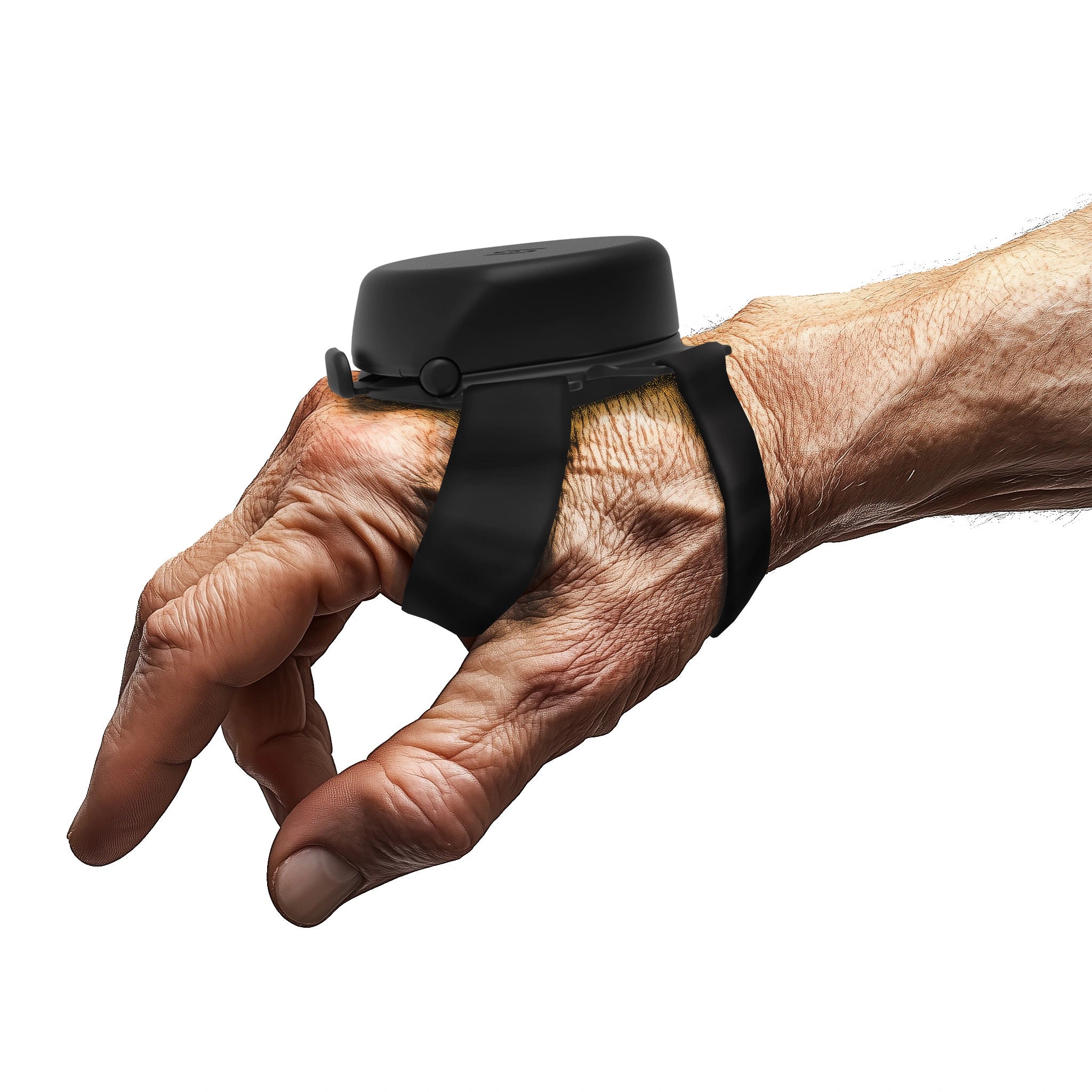
One example is the Steadi-3 anti-tremor glove, which uses magnetic vibration absorber technology to reduce tremor movement during everyday tasks.
For best results, many users combine daily hand tremor exercises with Steadi-3 during activities that require stability.
This approach allows exercise to strengthen the hand while assistive technology supports real-world tasks.
When to see a physical therapist
A licensed physical therapist or occupational therapist can provide individualized guidance.
You may benefit from professional support if
Tremors interfere with daily activities
Hand weakness limits movement
Exercises cause discomfort or strain
Therapists can evaluate movement patterns and recommend physical therapy for tremors tailored to your specific needs.
Tracking Your Progress
Monitoring progress can help you stay motivated and adjust your routine over time.
Simple tracking methods include
Recording how many repetitions you perform each day
Noting improvements in grip strength
Observing changes in writing or utensil control
Tracking tremor intensity during tasks
Many patients find that small improvements in coordination or endurance make daily activities easier.
Consistency is more important than intensity. Practicing hand tremor exercises regularly can support long-term hand function and stability.
Add Stability to Everyday Tasks with Steadi-3
Hand tremor exercises can help strengthen muscles and improve coordination over time, but many people still need additional support during everyday activities. The Steadi-3 anti-tremor glove is designed to provide that extra stability when it matters most. Using advanced magnetic vibration absorber technology, Steadi-3 reduces hand tremors during tasks such as eating, writing, and cooking. The device is lightweight, non-invasive, and battery-free, allowing users to simply put it on and begin using it immediately.
For many people living with Essential Tremor or Parkinson’s Disease, combining daily hand tremor exercises with assistive technology can provide the best overall results. While exercises build long-term hand strength, Steadi-3 helps stabilize the hand during real-world activities throughout the day. Learn more about how the Steadi-3 tremor glove works and how it can support daily independence here.
Final Thoughts on Hand Tremor Exercises
Hand tremor exercises can be a valuable part of managing Essential Tremor and Parkinson’s Disease. By strengthening the muscles of the hands, wrists, and forearms, these movements help support better control and coordination during everyday tasks. The key is consistency. Practicing simple exercises for just a few minutes each day can help maintain hand function and make activities like writing, eating, and using tools easier over time.
It is important to remember that exercise is only one part of tremor management. Many people benefit from combining regular tremor exercises at home with medical guidance, physical therapy, and assistive technology. For tasks that require extra stability, tools such as the Steadi-3 anti-tremor glove can provide additional support during daily activities. If tremors begin to interfere with your routine, speaking with a healthcare provider can help you explore the options that best fit your needs.