Weighted Gloves for Hand Tremors: A Buying Guide
Choosing weighted gloves for hand tremors involves more than selecting a weight range. The right fit, material, and design depend on tremor type, the tasks you need help with most, and how long you plan to wear the glove each day. This guide covers measuring for fit, selecting starting weight, design and material priorities, activity-based selection, the one-hand versus two-hands decision, price tiers, and FSA/HSA reimbursement options. Neither Essential Tremor nor Parkinson's Disease has a known cure; a tremor glove is a management tool.

How to measure your hand for a tremor glove
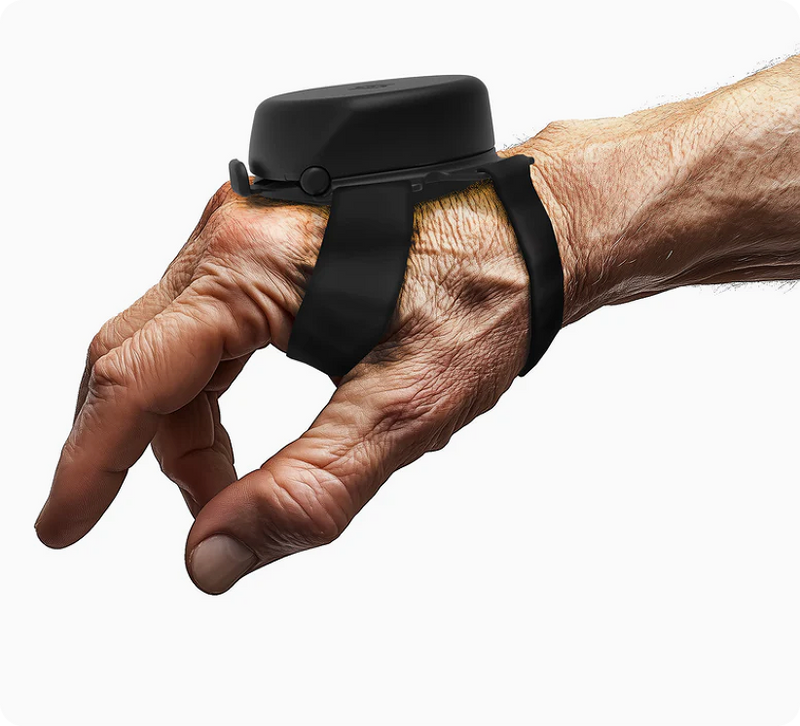
Measure the circumference of the palm at its widest point, from the base of the index finger to the base of the pinky, using a flexible tape measure; this measurement determines glove size across most sizing charts. Err toward the larger size when between sizes; a glove that is too tight can restrict blood flow and increase hand fatigue during wear. Many purpose-built tremor gloves offer adjustable closures that accommodate a range of palm sizes. For patients with reduced dexterity, look for wide openings and hook-and-loop closures that can be fastened with minimal fine motor effort.
How much weight to start with: a practical hand tremor glove buying guide
Start with a lighter weight, typically in the range of a quarter to half a pound per glove, and adjust upward only if tremor reduction is insufficient; heavier is not automatically better and can cause significant hand fatigue. The goal is meaningful tremor amplitude reduction for the specific task at hand, not complete elimination of all movement. Weight should sit primarily on the back of the hand, not the palm; dorsal placement provides proprioceptive feedback that helps settle tremor without obstructing grip. An occupational therapist can observe tremor during a real task and recommend a starting weight more precisely than any general guideline.
Design and material features that affect daily wear
Open-palm or fingerless design preserves full finger access for writing, typing, eating, and using a phone; a design that covers the fingertips substantially reduces dexterity. Breathable materials such as neoprene with mesh panels reduce sweating and skin irritation during extended wear. Velcro closures are easier to fasten independently with limited dexterity than laces or complex buckles. Washability matters for a device worn daily during meals and daily tasks; check whether the weight components are removable before washing. The Steadi-3 Plus features replaceable neoprene foam straps that can be swapped without replacing the stabilization unit; replacement straps are available at $49.99 per set.
Which tasks should guide your buying decision: a hand tremor glove buying guide by activity
For writing and fine motor tasks, prioritize a fingerless or open-palm design with lighter weight and a low profile that does not interfere with pen grip or keyboard use. For eating and drinking, weight on the back of the hand is most effective; a glove with wrist support that stays in place during repeated arm movement is preferable. For cooking and light household tasks, durability and washability are additional priorities. For extended daily wear across multiple activities, fatigue resistance matters more than maximum stabilization; a device worn consistently provides more benefit than one removed after thirty minutes due to discomfort.
One hand or both hands: how to decide
Essential Tremor frequently affects both hands but is often more severe in the dominant hand; most patients begin with the dominant hand and add the non-dominant side if that hand's tremor also substantially disrupts daily tasks. Parkinson's Disease tremor often begins on one side and may remain predominantly unilateral in earlier stages; the hand used for eating, writing, or daily tasks is typically the priority. Starting with one glove and assessing improvement before purchasing a second is a practical approach. The Steadi-3 is available for the left hand, right hand, or both hands. A neurologist or occupational therapist can assess tremor severity in each hand during routine tasks.
Generic weighted glove vs. medical-grade stabilization device: what the price difference means
Generic weighted fitness gloves typically range from $15 to $40 and add distributed weight across the hand and wrist; they are not clinically validated for tremor management, but for mild tremor experimentation they are an affordable starting point. Purpose-built medical-grade devices carry meaningful differences: clinical validation data, FDA regulatory status, and mechanisms specifically designed to address tremor. The Steadi-3 is an FDA-registered Class I medical device using passive magnetic stabilization through a tuned mass damper; in a placebo-controlled study, 84% of users showed improved tremor control. FSA and HSA accounts can be used toward the Steadi-3 with a letter of medical necessity from a physician.
How to use FSA or HSA funds to pay for a tremor glove
The Steadi-3 is eligible for FSA and HSA reimbursement as an FDA-registered Class I medical device, which can meaningfully reduce the out-of-pocket cost for eligible patients. Step 1: obtain documentation of medical necessity from a neurologist, primary care physician, or occupational therapist. Step 2: download the Letter of Medical Necessity template available on the Steadiwear website; your physician reviews and signs it. Step 3: submit the signed letter along with your purchase receipt to your FSA or HSA plan administrator. Confirm specific requirements and processing times with your plan administrator. Generic weighted gloves may or may not qualify; the Steadi-3's FDA registration makes the reimbursement pathway more straightforward.
Frequently Asked Questions
How do I know how much weight to use in a tremor glove?
Start with the lightest available weight, typically a quarter to half a pound per glove, and assess whether it reduces tremor amplitude during the specific task you need help with most. If the lighter weight provides meaningful but insufficient stabilization, increase by the smallest increment available; the goal is the lowest weight that achieves functional improvement. An occupational therapist can observe your tremor during a real task and provide a more precise recommendation. Heavier weights carry a proportionally higher risk of hand and arm fatigue; consult a healthcare provider before selecting a weight above one pound per glove.
Should I get a tremor glove for one hand or both hands?
Start with the hand most affected by tremor and most involved in the daily tasks you need help with, such as writing, eating, or cooking; assess the result before deciding on the second hand. Essential Tremor often affects both hands but tends to be more severe in the dominant hand; Parkinson's Disease tremor frequently begins on one side and may remain predominantly unilateral in earlier stages. A neurologist or occupational therapist can assess both hands and recommend whether one or two devices will provide meaningful benefit. The Steadi-3 is available for the left hand, right hand, or both hands.
Are weighted gloves for hand tremors covered by insurance?
Standard insurance coverage for tremor gloves is limited; most purpose-built tremor devices, including the Steadi-3, do not currently have direct insurance coverage. The Steadi-3 is eligible for FSA and HSA reimbursement as an FDA-registered Class I medical device; a signed letter of medical necessity from a physician is the key document required by most plan administrators. Generic weighted fitness gloves may or may not qualify for FSA/HSA reimbursement depending on the plan and whether a physician has prescribed them for a diagnosed condition. Contact your benefits administrator directly to confirm eligibility before purchasing.
How long should I wear weighted gloves for hand tremors each day?
Start with shorter wear periods of twenty to thirty minutes during specific tasks, such as a meal or a writing session, rather than wearing the glove continuously from the outset. Increase duration gradually based on comfort and fatigue; if the hand or arm feels sore after use, reduce the weight or duration before your next session. Devices that add significant dead weight to the hand are more likely to cause fatigue during all-day wear than purpose-built devices designed with weight-to-benefit efficiency in mind. An occupational therapist can help develop a wearing schedule that matches your tremor pattern and daily routine.
Can I wash weighted gloves for hand tremors?
Most generic weighted gloves can be hand-washed with warm water and mild detergent; check whether the weight components are removable before washing, as some fixed-weight designs cannot be submerged. Allow gloves to air dry completely before the next use; heat from a dryer can degrade neoprene and elastic materials and may shift the position of fixed-weight inserts. For purpose-built medical devices such as the Steadi-3, refer to the manufacturer's care instructions; the Steadi-3 Plus features replaceable neoprene foam straps that can be swapped and washed separately. Daily use during meals means regular cleaning is important for hygiene.