
Understanding treatment options for tremors
Tremors can significantly interfere with daily tasks such as eating, writing or pouring, and choosing the right management approach can feel overwhelming. Most options fall into two categories: surgical treatment for tremors and wearable devices for tremors. Surgical interventions are typically explored when symptoms do not respond well to medication or therapy. While these procedures may offer benefits for certain individuals, they also involve specialist evaluations, potential risks, and recovery considerations.

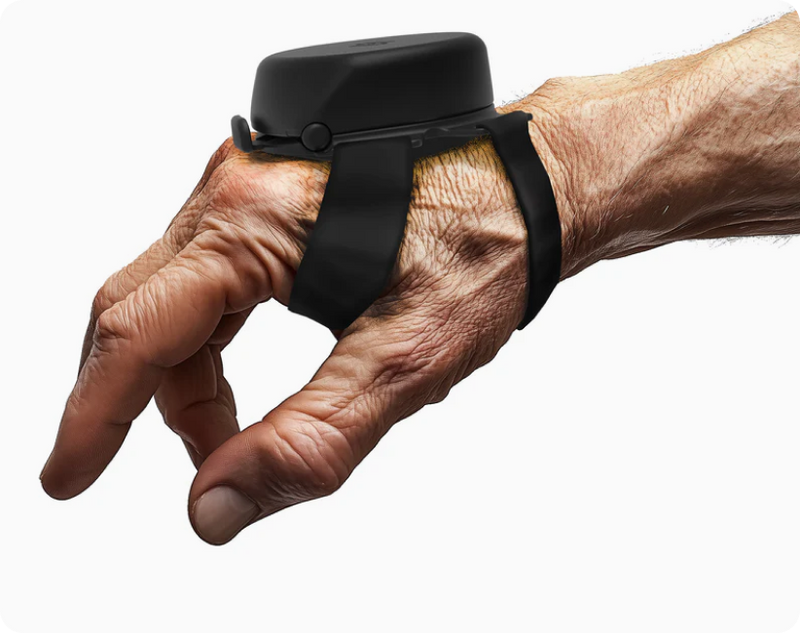
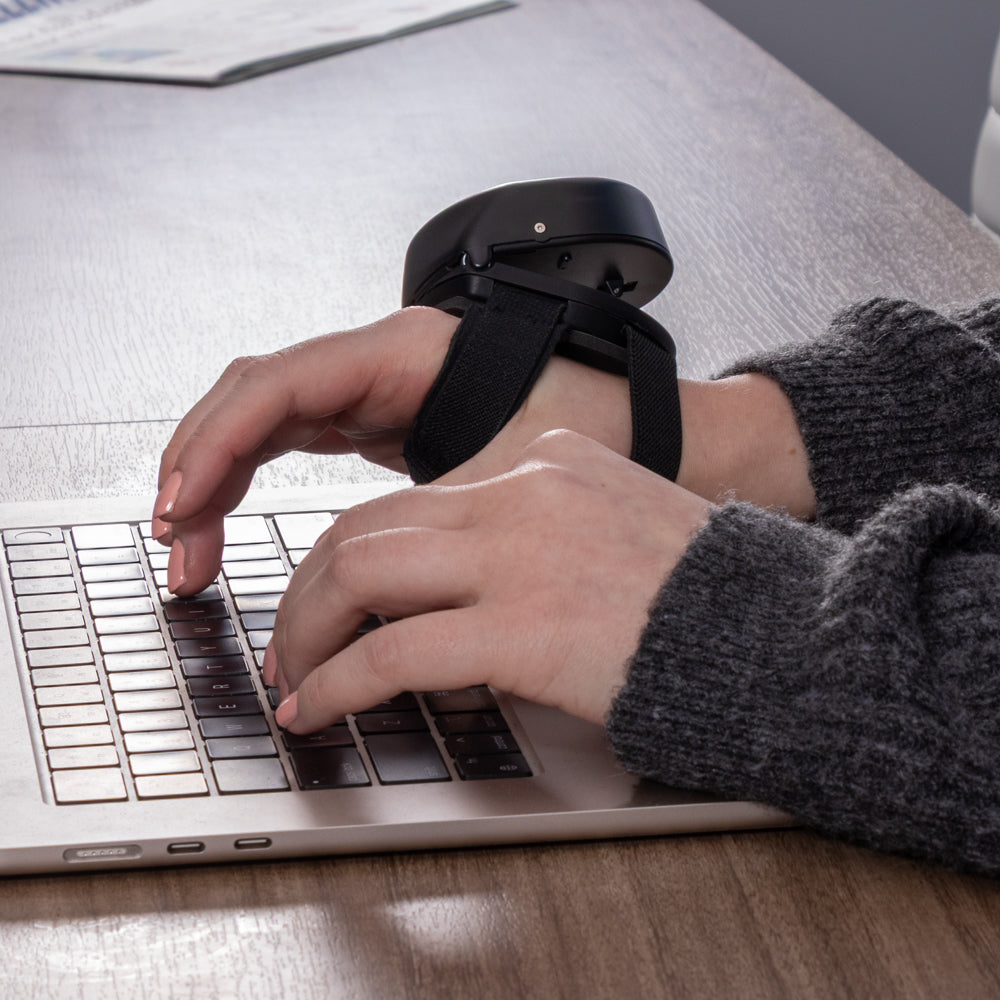
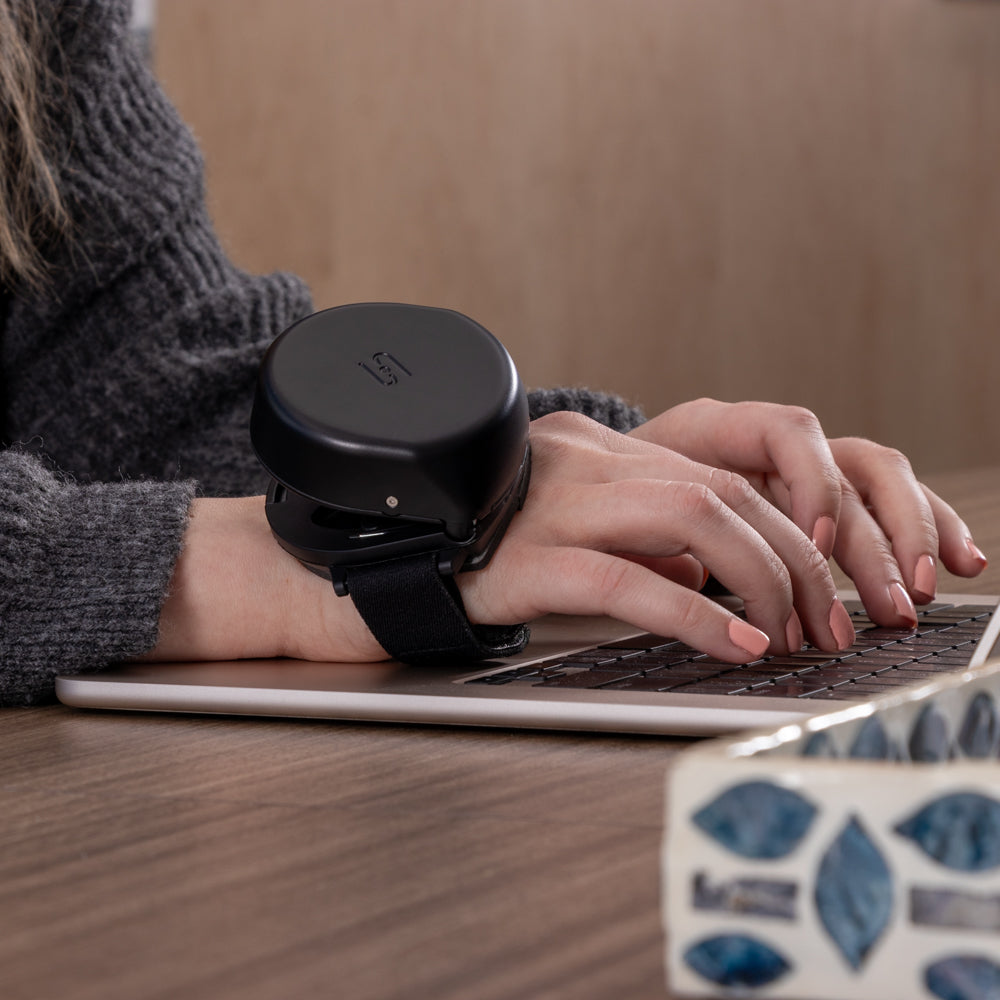
Non-invasive wearable devices for tremors, such as Steadi-3 Plus, offer support for hand control during everyday tasks without requiring a medical procedure. These devices do not treat the underlying neurological condition but can help improve comfort, stability, and independence throughout daily activities. The right option depends on your clinician’s recommendations, personal preferences, tremor pattern, and the specific challenges you face day to day.
Understanding how each type of tremor management works helps patients and caregivers have more informed discussions with healthcare providers. Surgical treatments target specific areas of the brain involved in motor symptoms, while wearable devices work externally to stabilize movement in real time. Many individuals living with Parkinson’s Disease or Essential Tremor benefit from combining medical treatment with supportive tools that fit naturally into daily routines. The goal is not to cure, but improved management that supports meaningful activities and reduces interference from tremors. This overview helps guide decision-making, encourages clinician discussion, and highlights how non-invasive devices can complement established treatment pathways for long-term tremor support.
Not all patients who explore Essential Tremor surgery options will qualify for surgical intervention. Age, unstable health conditions, or inadequate medication history can disqualify candidates from deep-brain stimulation surgery for Essential Tremor or focused ultrasound. For these patients, the cost of essential tremor surgery and eligibility concerns are not the only barriers; brain intervention itself may not be appropriate. Wearable assistive devices provide an alternative pathway: the Steadi-3 is an FDA-registered Class I medical device that supports hand control during daily activities, with no surgery, no recovery period, and no programming required.


Surgical treatments for tremors
A surgical treatment for tremors, such as deep-brain stimulation, may be considered when symptoms remain disruptive despite medication. This approach involves placing electrodes in targeted brain regions to help regulate abnormal signaling. Surgery requires evaluation by movement disorder specialists and ongoing follow-up. While it may provide improvement for some individuals, it also carries surgical risks and requires continued monitoring and adjustment.
Essential Tremor surgery cost is a significant consideration for many patients, as deep brain stimulation surgery for Essential Tremor can involve substantial out-of-pocket expenses and is not accessible to everyone. Surgical candidacy adds a further barrier: age, overall health, and anatomical factors can disqualify patients from both DBS and focused ultrasound procedures. For patients who do not meet surgical criteria or who prefer to avoid procedural risks and recovery, a wearable assistive device such as the Steadi-3, an FDA-registered Class I medical device, offers a non-surgical path to managing tremor and supporting daily independence.

Wearable devices for tremors
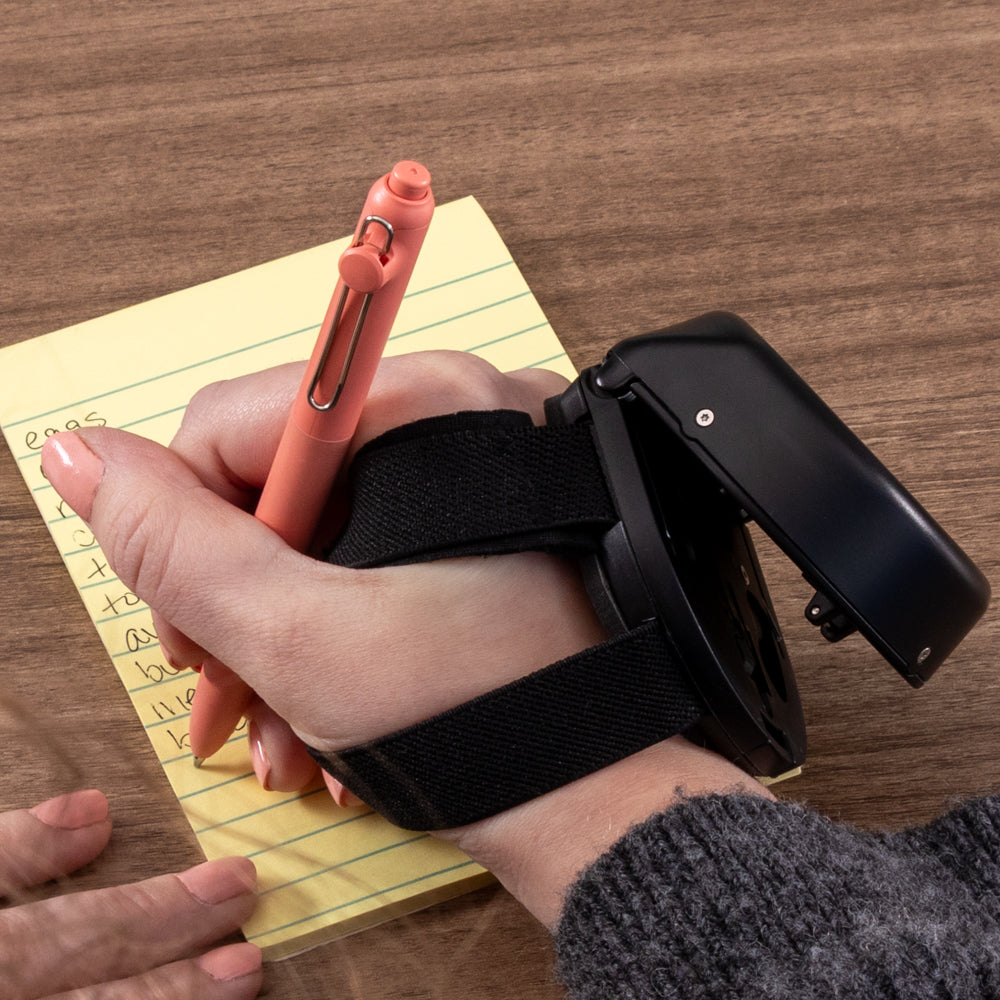
Wearable devices for tremors offer non-invasive support without surgery or medication changes. Steadi-3 Plus, a Class I medical device, is designed to stabilize hand movement during tasks like eating, writing, and grooming. These tools aim to reduce the functional impact of tremors rather than treat the neurological cause. Wearable devices can be combined with medical treatment and are often recommended for individuals seeking practical daily support without recovery time or procedural risks.
Making the right choice for your tremor treatment
Choosing between surgical treatment for tremors and wearable devices for tremors depends on your symptoms, goals, and clinician guidance. Some individuals benefit from surgery when other treatments are insufficient, while others prefer wearable devices for their simplicity and immediate day-to-day support. Discussing both options with a healthcare provider will help determine the best approach for your situation.
Testimonials
Steadi-3 Plus has been proven effective for both conditions. Clinical studies have shown it reduces tremor amplitude in 85% of users, making it a trusted choice for Parkinson's Disease tremor, and Essential Tremor management.

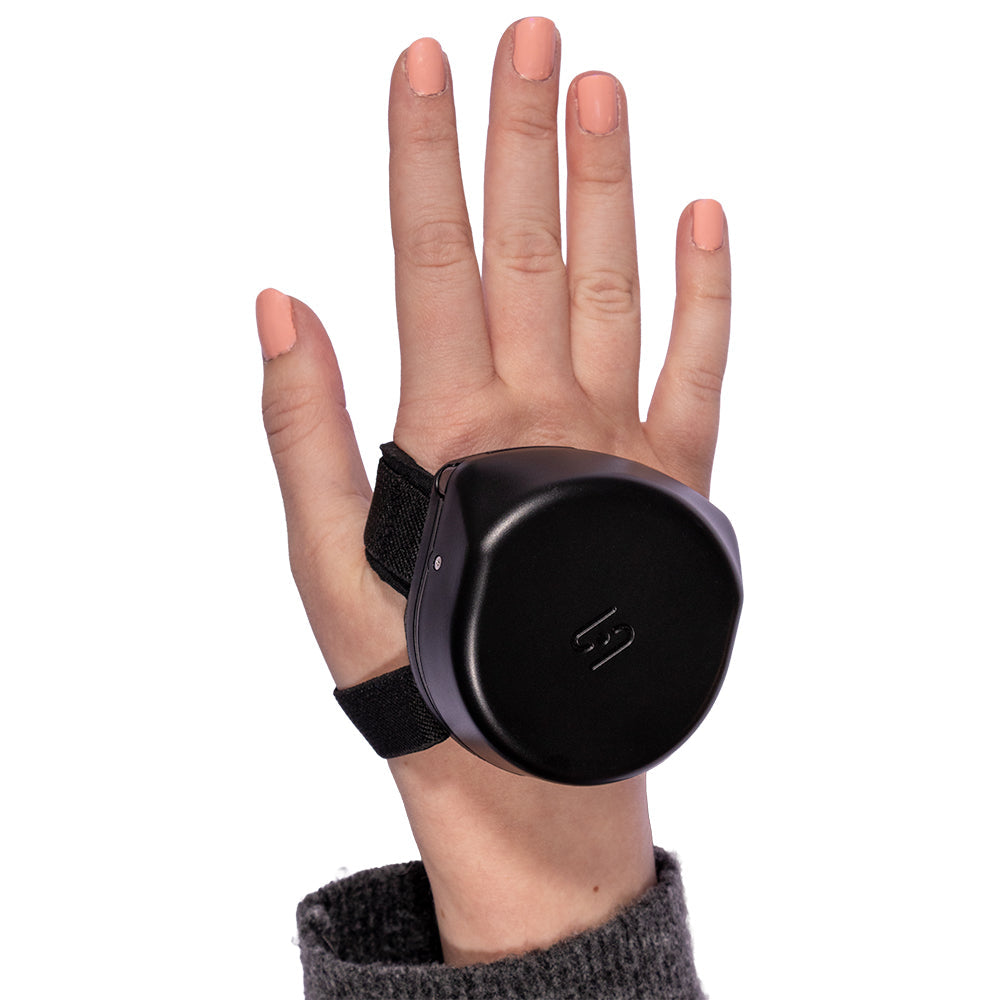
Steadi-3 Plus – Your Anti-Tremor Glove for Daily Independence



Steadiwear Inc
Steadi-3 Plus – Your Anti-Tremor Glove for Daily Independence
Clinically tested glove that reduces hand tremors — battery-free and comfortable for everyday use.
- Stabilizes hand tremors instantly
- Battery-free & lightweight
- NEW: Replaceable straps — swap them out anytime for a fresh, custom fit
- 30-day money-back guarantee
- Worldwide Shipping (over 150 countries)

30-Day Money Back
Free Shipping
FDA Registered Device
1-Year Warranty
- Replaceable Straps (NEW): The Steadi-3 Plus introduces easy-to-swap straps made from durable Neoprene foam. When your straps show wear, simply detach and replace them — no tools required. Keep your glove feeling brand new without replacing the entire device.
- Universal Sizing: Our anti-tremor device is adjustable to meet your hand size. It is available for either hand and ensures an effective experience.
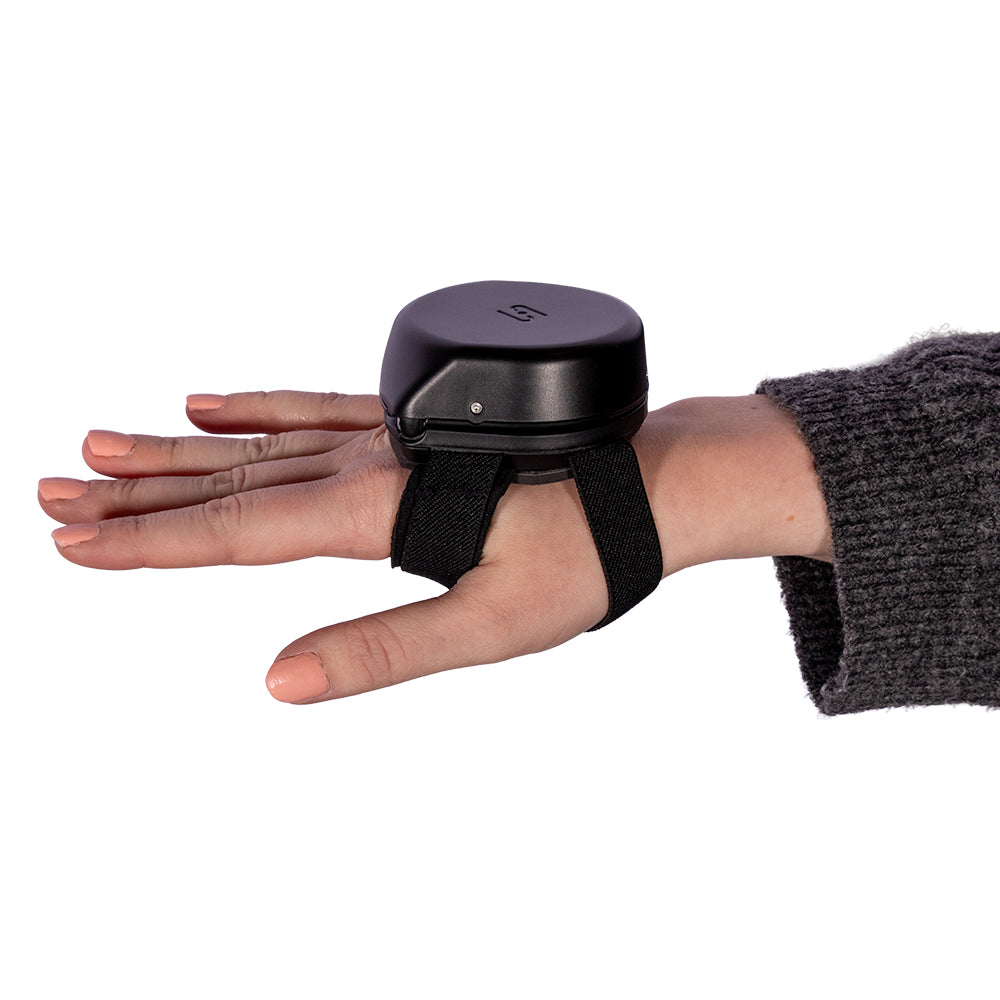
- Compact, Comfortable Fit: With its silicone and Neoprene foam straps, the Steadi-3 Plus is designed to fit securely without compromising comfort, allowing you to wear it throughout the day with ease.
- Automatic Adjustment: The Steadi-3 Plus adapts to your tremor intensity automatically, providing consistent stabilization as your tremor level changes in real time.
- FDA-Registered for Safety: As an FDA-registered Class I medical device, the Steadi-3 Plus is a trusted, safe choice for reducing hand tremors
- Slide your hand into the glove, ensuring it fits snugly around your palm.
- Tighten the fit by adjusting the velcro until it feels securely in place but still comfortable. Once the device is on, it will immediately calibrate itself to your tremor frequency and start stabilizing your hand.
- Replacing straps: To swap your straps, gently detach the existing straps from the stabilizer unit and click the new ones into place. No tools needed — takes under a minute.
In controlled evaluations, 84% of participants showed improved tremor control with Steadi-3 Plus versus no device. 70% showed improvement over placebo, based on blinded neurologist assessments.
Warranty: We back our product with a one-year warranty.
Risk-Free Trial: With our 30-day hassle-free return policy, you can test the Steadi-3 Plus glove with confidence.
Regain Control: Combat hand tremors effectively with the trusted Steadi-3 Plus glove from Steadiwear.
Please be aware that all returns are subject to a restocking fee of $83 USD or $117 CAD per unit to cover shipping, returns, customs and fulfillment. This fee will be deducted from your refund in the case of a return request.
If your healthcare provider recommends an assistive device to help manage hand tremors caused by a specific medical condition, you may be able to use your Flexible Spending Account (FSA) or Health Savings Account (HSA) to pay for the Steadi-3 Plus tremor glove.
Learn more here
-
We ship the Steadi-3 Plus to over 150 countries. Standard shipping is free within Canada. Shipping rates by region:
- Canada — Free standard shipping · Express (3 business days): $75.00
- Rest of the world: $49.99 · 6–10 business days Orders are processed within 1–2 business days. You'll receive a tracking number by email once your order ships. International orders may be subject to local customs or import duties.

Frequently Asked Questions
A surgical treatment for tremors, such as deep-brain stimulation, can be effective for some individuals whose symptoms are not well managed with medication or therapy. These procedures target specific areas of the brain involved in motor control and may help reduce tremor severity. However, surgery carries risks and requires evaluation by movement-disorder specialists to determine eligibility. Effectiveness varies, and not everyone qualifies. A surgical treatment for tremors is generally considered only after other options have been explored. Speaking with a healthcare provider is essential to understand whether surgery fits within your overall management plan.
Yes. Wearable assistive devices are used by patients who are not candidates for Essential Tremor surgery options, prefer to avoid brain intervention, or are awaiting specialist evaluation. Surgery and wearable devices address tremor differently: surgical procedures, such as deep-brain stimulation surgery for Essential Tremor, modify the brain activity systemically, while wearable devices support hand function during daily tasks. The Steadi-3 is an FDA-registered Class I medical device using passive magnetic stabilization; it requires no surgery, no recovery, and no programming, and can be used alongside existing medications. Consult a healthcare provider for individual treatment guidance.
Essential Tremor surgery options are generally considered for patients whose tremor significantly affects daily activities such as eating, writing, or grooming, and who have not responded adequately to first-line medications like propranolol or primidone. Candidacy for DBS surgery for Essential Tremors also depends on the absence of significant cognitive impairment and overall systemic health stability. Patients who do not meet these criteria may benefit from non-surgical alternatives. A movement disorder specialist can evaluate individual circumstances and recommend the most appropriate management pathway.
Essential Tremor surgery is generally considered for patients whose symptoms are severe enough to disrupt daily activities and have not responded adequately to medication. The two primary procedures are deep-brain stimulation surgery for Essential Tremor and focused ultrasound. Candidacy is determined by a movement disorder specialist and depends on factors including overall health, tremor severity, skull anatomy, and prior treatment history. Patients who do not meet surgical criteria may benefit from non-invasive management options. Always consult a healthcare provider to assess your specific situation.
Patients who are not surgical candidates, or who prefer to avoid surgical risk and recovery, have several non-invasive management options. These include medication adjustment under specialist supervision, occupational therapy, and FDA-registered wearable assistive devices such as the Steadi-3, which uses passive magnetic stabilization to reduce hand tremor during daily tasks. Wearable devices can also complement existing medication for patients seeking additional functional support. Essential Tremor surgery cost and eligibility are not the only factors; a healthcare provider can help determine the most appropriate approach.