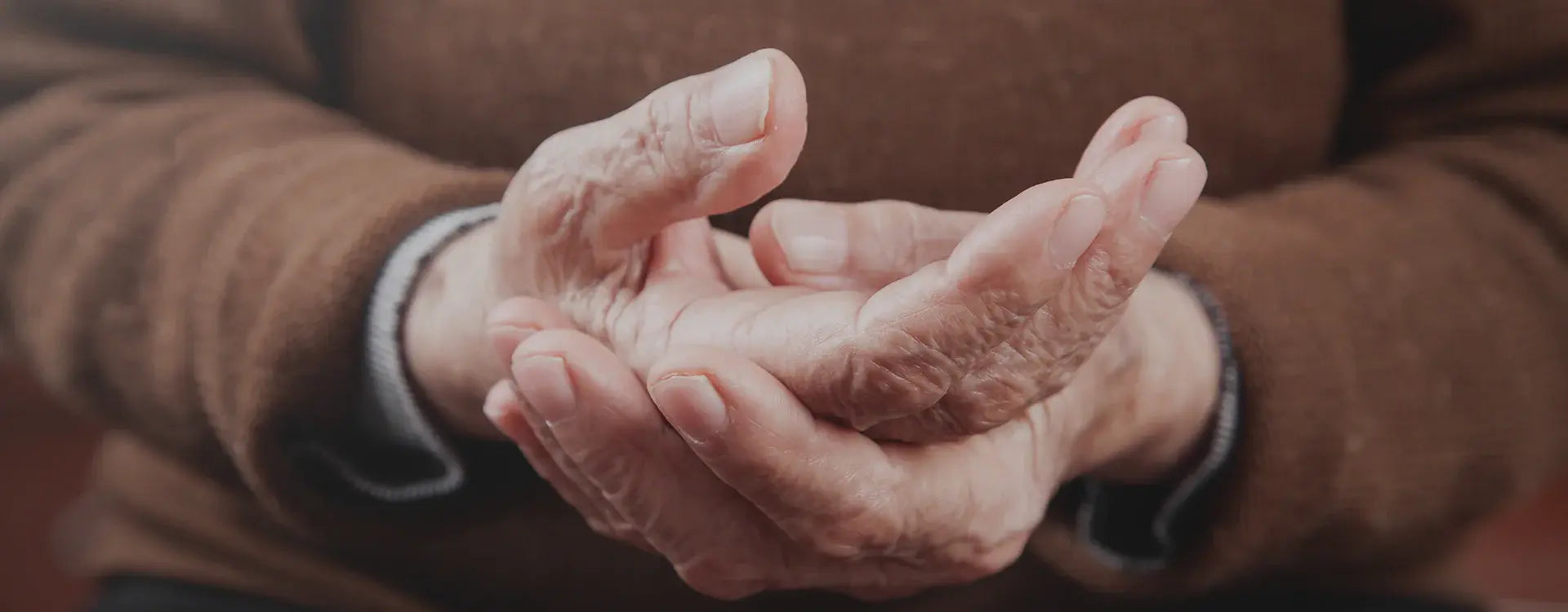
Signs of Parkinson's Disease
Parkinson's Disease is a progressive neurological condition affecting dopamine-producing neurons in the brain. Understanding its signs is essential, as early recognition supports timely diagnosis and more effective management planning. Signs range from resting tremor to non-motor symptoms including sleep disturbances and depression. There is no cure, but signs of Parkinson's Disease can be managed. This article covers motor and non-motor signs, early warning indicators, how signs vary by individual, and when to seek a neurological evaluation. Consult a healthcare provider for guidance.


What are the motor signs of Parkinson's Disease?
Parkinson's Disease is diagnosed by movement disorder specialists using four cardinal motor signs: resting tremor, bradykinesia (slowness of movement), rigidity (muscle stiffness), and postural instability (balance problems). These signs typically begin asymmetrically, often on one side of the body first. Not all four signs appear simultaneously. Bradykinesia is considered the most consistent diagnostic indicator and is always present clinically. Tremor is the most visible sign but is absent in some individuals. Early recognition of these signs supports timely neurological referral.
Non-motor signs that often appear before tremor
Several non-motor signs can precede motor symptoms by years or even decades. Loss of smell (hyposmia), chronic constipation, and REM sleep behaviour disorder, in which a person physically acts out dreams, are among the earliest recognized prodromal signs. Depression and anxiety may reflect neurological changes rather than situational causes. Because these signs are frequently attributed to aging, they are often overlooked. If multiple non-motor signs are present alongside any motor changes, consult a healthcare provider for thorough clinical evaluation.
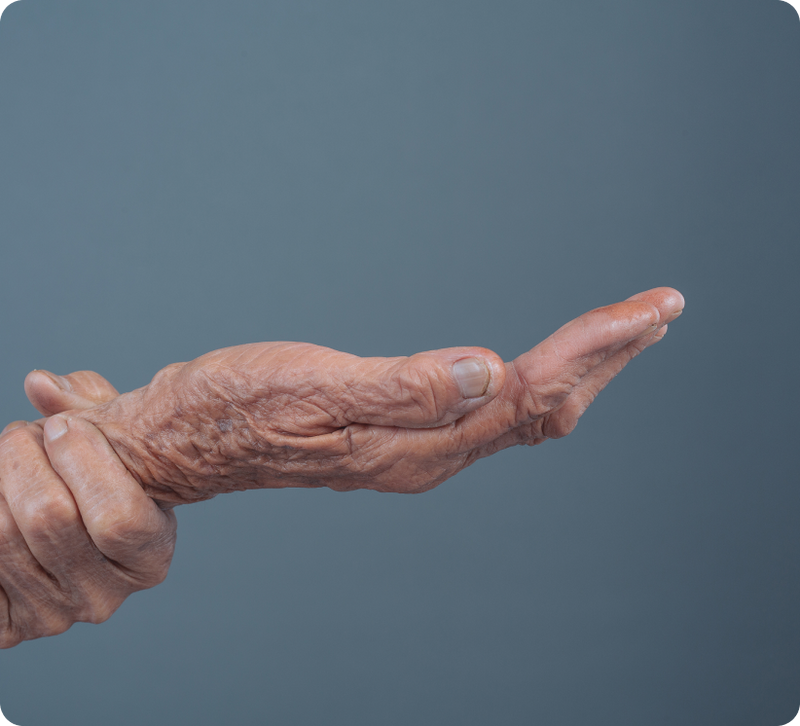
Early warning signs of Parkinson's Disease to watch for
Early warning signs of Parkinson's Disease are often subtle and easy to dismiss. Small, cramped handwriting (micrographia) is a commonly missed motor sign. A masked or expressionless face, reduced arm swing when walking, a soft or monotone voice, and a shuffling gait are additional early indicators. These signs are frequently attributed to normal aging, particularly in older adults. Only a neurologist can confirm a Parkinson's Disease diagnosis. If several signs are present together, professional evaluation is the recommended next step.
How Parkinson's Disease signs differ by individual
Parkinson's Disease does not present identically in every individual. Early onset Parkinson's Disease, defined as onset before age 50, may involve more prominent dystonia and less tremor than typical presentations. Women may experience pain and stiffness more prominently before tremor develops. Older adults often present with gait and balance changes as the initial signs. Some individuals never develop significant tremor. Because presentation varies widely, early neurological evaluation is advised regardless of which specific signs appear first.
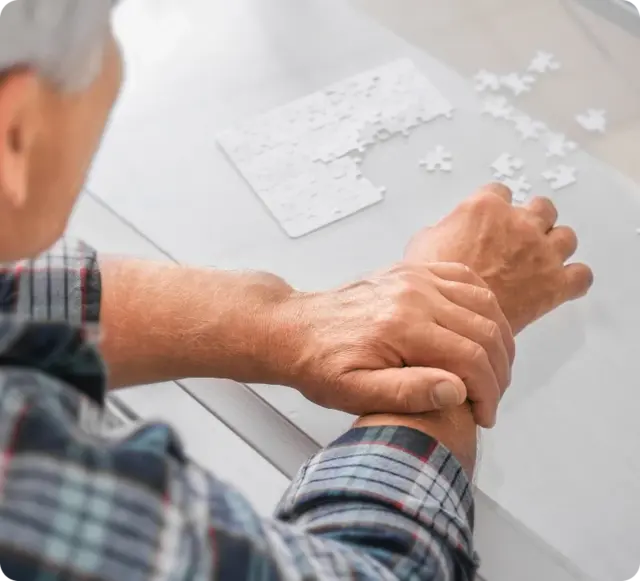
The role of hand tremor in Parkinson's Disease
Resting tremor is among the most recognized signs of Parkinson's Disease. It typically begins in one hand or finger as a pill-rolling motion, occurring when the limb is at rest. Hand tremor affects eating, writing, and fine motor tasks. The Steadi-3, an FDA-registered Class I medical device, uses patented passive magnetic stabilization to reduce hand tremor without batteries. Validated in a placebo-controlled study that showed an 84% improvement among users, it offers lightweight support. Consult a healthcare provider before adding any device to a management plan.
When to see a neurologist about Parkinson's Disease signs
If multiple motor or non-motor signs are present, schedule an appointment with a primary care physician or neurologist. A movement disorder specialist offers advanced expertise in the evaluation of Parkinson's Disease. There is no single definitive test, as diagnosis is primarily clinical. A dopamine transporter (DAT) scan may be used as a supporting tool in some cases. Early evaluation supports better management planning. There is no cure, but timely diagnosis allows management strategies to be introduced before signs affect daily independence.
Managing Parkinson's Disease symptoms for daily independence
Managing Parkinson's Disease signs involves medication, therapy, and assistive technology. Dopaminergic medications prescribed by a neurologist remain the primary pharmacological interventions. Deep brain stimulation is used in advanced cases. Physical therapy supports gait and balance, while occupational therapy addresses fine motor function. Assistive devices such as the Steadi-3 complement medical treatment by directly addressing tremor-related daily challenges. Building a care team that includes a neurologist and an occupational therapist supports control and independence. No cure exists, but combining management strategies reduces the functional impact of Parkinson's Disease signs.
Frequently Asked Questions
What are the first signs of Parkinson's Disease?
Non-motor signs are often the earliest indicators of Parkinson's Disease. Loss of smell, chronic constipation, and REM sleep behaviour disorder can precede motor symptoms by years or even decades. Motor signs, including resting tremor, bradykinesia, and rigidity, typically emerge later. These early signs are commonly attributed to aging, contributing to delayed diagnosis. If multiple signs are present together, prompt neurological evaluation is recommended, as early assessment supports more effective management planning and timely access to appropriate treatment options.
What are the four cardinal signs of Parkinson's Disease?
The four cardinal signs are resting tremor, bradykinesia (slowness of movement), rigidity (muscle stiffness), and postural instability (difficulty with balance). A clinical diagnosis typically requires bradykinesia plus at least one additional cardinal sign, as bradykinesia is the essential diagnostic criterion. Postural instability tends to emerge in later stages. Resting tremor is the most widely recognized sign but is absent in approximately one third of individuals with a confirmed Parkinson's Disease diagnosis.
Can signs of Parkinson's disease appear without tremor?
Yes. Up to one third of people with Parkinson's Disease may never develop significant tremor. Bradykinesia and rigidity can be the dominant presenting motor signs. Non-motor signs such as depression, sleep disturbances, and loss of smell may appear without any tremor. A movement disorder specialist evaluates Parkinson's Disease based on a full clinical picture rather than tremor alone. A diagnosis should not be excluded solely because tremor is absent; professional evaluation remains the appropriate next step when other signs are present.
How do the signs of Parkinson's Disease differ from those of Essential Tremor?
Parkinson's Disease tremor is a resting tremor that occurs when the limb is at rest and typically diminishes during intentional movement. Essential Tremor is an action tremor that worsens during voluntary movement such as eating or writing. Parkinson's Disease also involves bradykinesia and rigidity, which are not features of Essential Tremor. Distinguishing between the two conditions requires clinical evaluation by a neurologist or movement disorder specialist. Both conditions affect hand function and daily tasks, and both may benefit from tremor management strategies including assistive devices.
When should I see a doctor about Parkinson's Disease signs?
Schedule a medical appointment if resting tremor, unexplained slowness, muscle stiffness, or changes in gait and balance are present. Also consult a doctor if non-motor signs, such as loss of smell, persistent constipation, or changes in sleep behaviour, appear alongside other symptoms. A primary care physician can conduct an initial assessment and refer to a neurologist or movement disorder specialist when appropriate. Identifying signs of Parkinson's Disease early supports timely access to management strategies and better long-term functional outcomes.