


Why Are Your Hands Shaking Right Now?
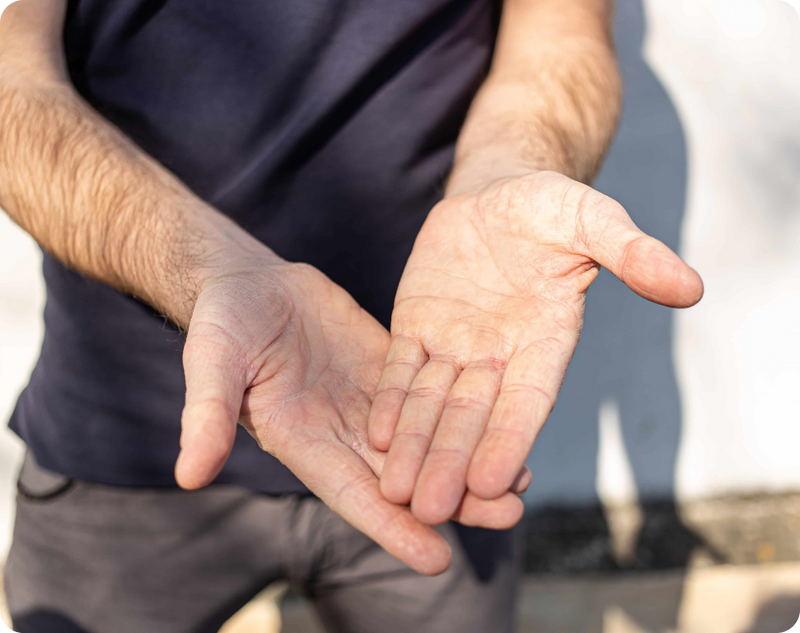
Hand shaking, or tremor, can result from temporary triggers or neurological conditions. Common triggers include caffeine, stress, fatigue, low blood sugar, and medication side effects, which can temporarily increase normal physiologic tremor. These often improve once the trigger is removed. Persistent shaking may indicate conditions such as Essential Tremor or Parkinson's Disease, which affect movement control. While simple adjustments may help in the moment, ongoing tremors often require medical guidance and assistive stabilization devices to help manage daily activities.
Techniques To Stop Shaking Hands Immediately
Several techniques can help reduce hand shaking in the moment. Stabilizing the wrist on a solid surface, supporting the hand with the other hand, or holding objects with both hands can improve control. Weighted tools, such as weighted utensils or pens, may also help damp tremor. Removing triggers like caffeine, fatigue, or low blood sugar can reduce temporary shaking. For ongoing tremors related to Essential Tremor or Parkinson’s Disease, wearable stabilization devices like Steadi-3 Plus may help support daily activities.
Managing Hand Tremors During Everyday Tasks
Many people look for ways to stop their hands from shaking because tremors can interfere with everyday activities. Practical adaptations can help improve control during common tasks.
Eating And Drinking
Shaky hands can make meals difficult. Helpful strategies include using weighted utensils, holding cups with two hands, and choosing heavier mugs for added stability. Spill-resistant lids can also help reduce accidental spills. These tools can make eating and drinking easier for people experiencing tremors.
Writing And Working
Writing tasks often make tremors more noticeable. Using larger-grip pens or weighted pens may help improve stability. Resting the wrist on a desk while writing and taking short breaks if fatigue increases the tremor can also help. Voice-to-text tools may be useful when writing becomes difficult.
Social or Public Situations
Tremors may feel more noticeable in public settings. Planning simple adaptations and using wearable stabilization tools, such as the Steadi-3 Plus, may help support daily activities and improve control throughout the day.
Diet, Nutrition, and Lifestyle Habits That May Help
What you eat, how well you sleep, and how consistently you hydrate all shape how visible your tremor is on any given day. None of these habits cures hand shaking on their own, but together they create a foundation that makes every other intervention work better. If you've been looking for practical natural remedies for hand tremors — or want to understand how to stop hand tremors naturally as part of a broader management plan — diet and lifestyle are the most accessible places to start.
Vitamin B12 and the B-Vitamin Group
Of the vitamins for hand tremors most commonly discussed by neurologists, vitamin B12 is at the top of the list. B12 is essential for maintaining the myelin sheath that insulates nerve fibers, and a deficiency impairs nerve signal transmission in ways that can cause or worsen tremors. B1 (thiamine) and B6 play supporting roles in neuromuscular function.
People at higher risk of B12 deficiency include individuals on restrictive or plant-based diets, those taking certain medications such as metformin, and adults over 50. A simple blood test can identify a deficiency, which is correctable through diet or supplementation. Food sources include meat, fish, eggs, dairy, and fortified cereals. If a B12 deficiency is contributing to your shaking, correcting it is one of the few interventions in which the tremor may resolve fully rather than simply improve.
Magnesium
Magnesium regulates both nerve transmission and muscle relaxation. When levels run low, muscle excitability rises, and tremor intensity often increases. Many people living with essential tremor are found to have suboptimal magnesium levels, which makes it worth discussing with a doctor. Food sources include leafy greens, nuts, seeds, whole grains, and legumes. Supplementation can be considered, but should be reviewed with a healthcare provider first — particularly for anyone with kidney issues or on medications that interact with magnesium.
Hydration
Dehydration quietly undermines nerve and muscle function, and even mild dehydration can amplify tremors in susceptible people. Consistent fluid intake — roughly 6 to 8 cups of water a day for most adults — is a zero-cost habit that supports steadier hands throughout the day. If morning tremors feel noticeably worse than afternoon ones, overnight dehydration is often part of the picture.
A Better Overall Diet for Hand Tremors
When it comes to broader dietary patterns, the Mediterranean diet has received the most attention as a supportive diet for hand tremors and neurological health more generally. It emphasizes fruits, vegetables, whole grains, legumes, nuts, fish, and olive oil while limiting processed foods and red meat. The anti-inflammatory and neuroprotective properties of this pattern may offer modest benefit over time, particularly when paired with the targeted nutrient intake above.
A note on alcohol: small amounts temporarily reduce tremors in some people with essential tremor, but relying on alcohol as a management strategy carries real dependency risk and a rebound worsening that often outweighs any short-term relief.
Sleep and Fatigue
Fatigue is one of the most consistent tremor aggravators. The motor control system becomes significantly less efficient when you're sleep-deprived, and a single poor night can make shaking visibly worse the next day. Prioritizing 7 to 9 hours of sleep per night and maintaining a consistent sleep schedule reduce baseline tremor intensity and make every other strategy on this page work better. If falling or staying asleep is the bottleneck, that's worth raising with your doctor in its own right.
When Immediate Techniques Are Not Enough — Medical Treatment Options
If hand shaking is persistent or worsening, a healthcare provider may recommend medical treatment options. These approaches aim to manage tremors and improve daily function, but they do not cure the underlying condition. A neurologist or movement disorder specialist can evaluate symptoms and recommend the most appropriate treatment based on the cause.
Medication Options For Hand Tremor Management
Two medications commonly used to manage Essential Tremor include beta-blockers, such as propranolol, and anticonvulsants, such as primidone. Propranolol is often considered a first-line treatment because it can help reduce tremor amplitude by affecting nerve signals in the body. Primidone may also reduce tremor severity in some individuals. Medication choice depends on overall health and medical history, and all medications should be prescribed and monitored by a healthcare provider.
Advanced Interventions For Severe Tremors
For severe tremors that do not respond to medication, advanced options such as deep brain stimulation (DBS) or focused ultrasound may be considered. Physical and occupational therapy can also support tremor management and daily independence.
When To See A Doctor About Shaking Hands
Occasional mild shaking that does not interfere with daily tasks is often not urgent.
However, it is important to consult a healthcare provider if:
- Tremors appear suddenly
- Shaking worsens over time
- Tremors begin interfering with daily tasks such as eating or writing
A doctor should also be consulted immediately if shaking occurs after a head injury or is accompanied by symptoms such as:
- Weakness
- Vision changes
- Difficulty walking
- Balance problems
A neurologist or movement disorder specialist can evaluate symptoms, identify the cause of tremors, and recommend an appropriate management plan.
Nothing on this page replaces a professional medical diagnosis.
Frequently Asked Questions