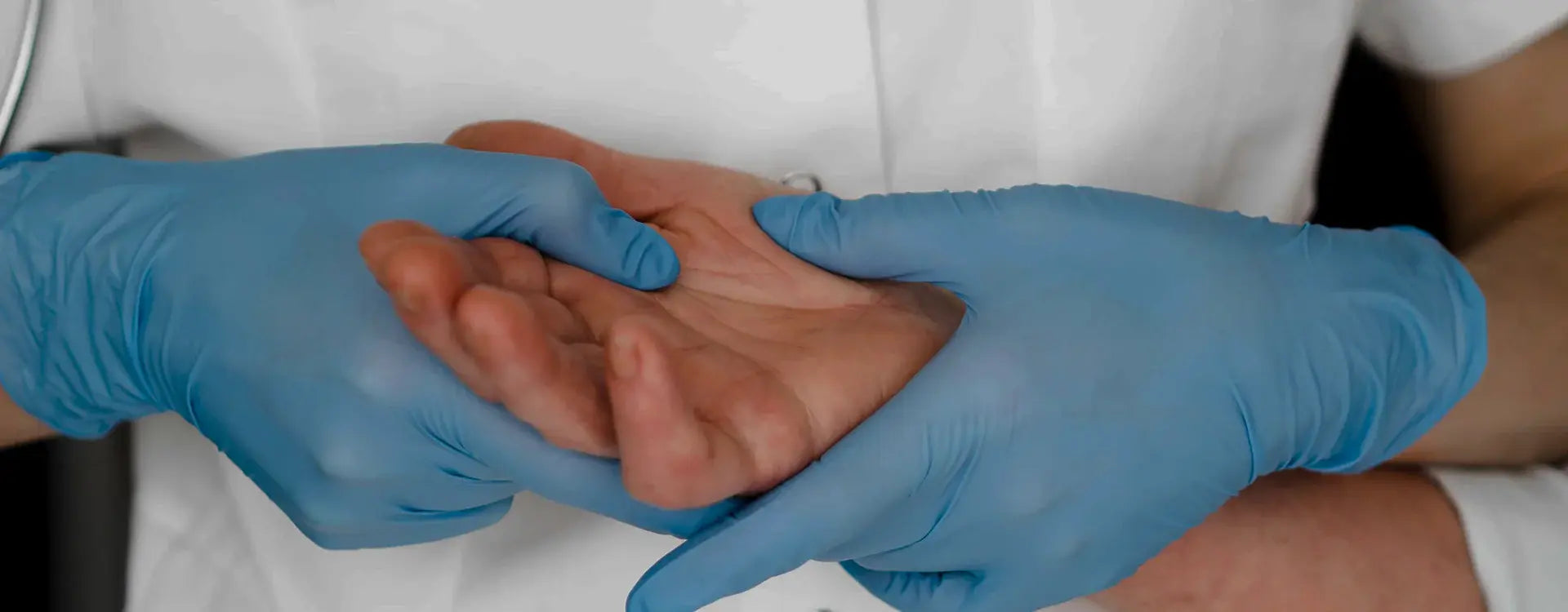
Am I a Candidate for Essential Tremor Surgery?
Essential Tremor surgery is considered when medications no longer control disabling hand tremor, but not every patient qualifies. This page outlines the candidacy criteria, the evaluation process, common reasons for disqualification, and management options if surgery is not the right path.


When Is Surgery Considered for Essential Tremor?
Essential Tremor surgery is not a first-line treatment. Medication comes first, typically propranolol or primidone. Surgery is generally considered only after adequate trials of two or more medications have failed to control tremor that interferes with daily tasks such as eating, writing, or dressing. A movement disorder specialist, not a general practitioner, leads the evaluation. There is no cure for Essential Tremor; surgery aims to reduce tremor severity rather than resolve the underlying neurological condition, so realistic expectations are important from the start.
The Main Surgical Options, DBS and Focused Ultrasound
Two FDA-approved surgical options dominate the discussion of Essential Tremor DBS and focused ultrasound. Deep brain stimulation involves implanting an electrode in the thalamus connected to a small neurostimulator under the skin; it is adjustable and reversible. Focused ultrasound, sometimes called MRgFUS, uses sound waves to create a permanent lesion in the VIM nucleus without any incision or implant. Both target the same brain region through different methods. DBS supports bilateral treatment; focused ultrasound is typically performed on one side only.

Who Is a Good Candidate for Essential Tremor Surgery?
Strong Essential Tremor surgery candidates share several clinical features. A confirmed Essential Tremor diagnosis must be established, ruling out other tremor types. The tremor is disabling, interfering with eating, writing, or holding objects. Adequate trials of at least two first-line medications have failed. Upper-extremity tremor is the primary symptom; head and voice tremors respond less reliably. Overall health is generally good, and neuropsychological screening confirms the absence of severe cognitive impairment that would compromise outcomes or recovery from the procedure.
Conditions That May Disqualify You from Surgery
Several factors can rule out surgical candidacy. Focused ultrasound requires sufficient skull density for ultrasound transmission, which excludes some patients on CT screening. Pacemakers and certain implanted devices are contraindications to MRI-guided procedures and may also preclude DBS. Severe claustrophobia can prevent MRI use. Significant cognitive or memory impairment can disqualify patients from both procedures. Uncontrolled conditions that raise surgical risk, such as bleeding disorders or active infection, are also disqualifying. No online checklist replaces a movement disorder specialist's individual evaluation.

What Happens During a Surgical Candidacy Evaluation?
A surgical candidacy evaluation, whether for Essential Tremor DBS or focused ultrasound, typically involves a multidisciplinary team: a movement disorder neurologist, a neuropsychologist, an internal medicine provider, and a brain MRI. The neurologist reviews tremor severity, medication history, and the functional impact on daily life. Neuropsychological testing screens for memory or cognitive issues that could affect outcomes. Internal medicine confirms general medical readiness. The team reviews findings together before issuing a recommendation. A specialist referral is typically required to begin.
What If Surgery Is Not Right for You?
Not every patient is a surgical candidate, and some prefer to avoid surgery entirely. Non-surgical paths include medication adjustment with a neurologist, occupational and physical therapy, and FDA-registered assistive devices. The Steadi-3 is a Class I FDA-registered medical device that uses patented passive magnetic stabilization to reduce hand tremor during daily tasks. A placebo-controlled clinical study showed improved tremor control in 84% of users. It is battery-free, lightweight, and requires no prescription. Always consult a healthcare provider before deciding on a management plan.
Questions to Ask Your Neurologist About Tremor Surgery
Bring a focused list of questions. Have I tried enough medications at adequate doses to be considered medication-refractory? Am I a candidate for DBS, focused ultrasound, or both, and what distinguishes my situation? What surgical risks are most relevant to my age and health history? Can I use an assistive device to manage tremor while we monitor whether surgery is appropriate? What does the evaluation involve, and how long does it take? What outcomes should I realistically expect, and what will surgery not improve?
Frequently Asked Questions
Does Essential Tremor surgery eliminate tremors completely?
No. Essential Tremor surgery reduces tremor severity; it is not a cure and does not resolve the underlying neurological condition. There is currently no cure for Essential Tremor. DBS can reduce upper extremity tremor by 50 to 90% in well-selected candidates at long-term follow-up. Focused ultrasound typically provides comparable tremor reduction on the treated side. Head, voice, and bilateral hand tremors may not improve to the same extent. Outcomes vary by individual and procedure; a movement disorder specialist can outline realistic expectations.
What medications are tried before Essential Tremor surgery is considered?
Propranolol, a beta-blocker, and primidone, an anticonvulsant, are the primary first-line medications for Essential Tremor. Benzodiazepines are sometimes added as an additional treatment option. Surgery is generally considered after adequate trials of at least two of these medications have been completed without satisfactory tremor control. An adequate trial means reaching a therapeutic dose and maintaining it long enough to assess effectiveness. Medication tolerance can develop over time, particularly with propranolol. A movement disorder specialist reviews the full medication history before recommending surgical evaluation.
What is the difference between DBS and focused ultrasound for Essential Tremor?
Essential Tremor DBS involves implanting electrodes in the thalamus and a neurostimulator under the skin; it is reversible and adjustable. Focused ultrasound is incisionless, using sound waves to create a permanent lesion in the VIM nucleus without an implant. DBS can be performed on both sides of the brain; focused ultrasound is typically performed on one side only. DBS is suitable for patients needing bilateral treatment or a reversible procedure. Focused ultrasound is suitable for older patients or those who prefer to avoid open surgery. Both are FDA-approved.
How long does the surgical candidacy evaluation process take?
The evaluation typically involves multiple appointments spread over several weeks to a few months. Standard components include a neurology consultation, neuropsychological testing, internal medicine clearance, and a brain MRI. The multidisciplinary team reviews all findings before issuing a candidacy recommendation. Scheduling and insurance authorization can further extend the timeline. Patients are encouraged to continue managing their tremor throughout the evaluation period. The Steadi-3 is one option that can support daily tasks during this waiting window as a non-surgical management tool.
What are my options if I am not a candidate for Essential Tremor surgery?
Patients who do not qualify for surgery, or who choose not to proceed, still have meaningful management options. Medication adjustment with a neurologist, including different combinations or dosing strategies, is often the next step. FDA-registered assistive devices such as the Steadi-3 can reduce the functional impact of hand tremor on daily activities. Tremor-specific occupational and physical therapy may help some patients. The Steadi-3 requires no batteries, prescription, or charging, and is clinically supported by an 84% user improvement rate. Consult your healthcare provider.