Hiding Essential Tremor symptoms: why patients conceal them and how to stop
Hiding Essential Tremor symptoms is something many people do quietly, tucking hands into pockets, gripping a cup with both hands, or skipping social events altogether. This kind of concealment is common, yet rarely talked about openly. This article explains why patients hide, what that hiding costs emotionally, and practical ways to shift from concealing your tremor toward managing it with more confidence.
Why tremor patients feel pressure to hide their symptoms
Many people begin hiding Essential Tremor symptoms because they fear being misjudged as nervous, anxious, or intoxicated. Essential Tremor is poorly understood publicly, so patients often feel singled out by judgmental stares or quiet assumptions. Contributors to the IETF Medical Advisory Board note that worry about how others will react can create a self-reinforcing spotlight effect. The more attention you expect, the more visible your hands feel, which resembles patterns seen in social anxiety disorder
The emotional toll of concealing a visible tremor
The emotional weight of Essential Tremor shame and stigma is real. Patients frequently report embarrassment, and some describe bullying or exclusion from work and social circles. One person living with Essential Tremor for 45 years shared that repeated concealment did not ease the pressure. Instead, hiding reinforced shame rather than reducing it. Each time you disguise your hands, the belief that the tremor is something to be ashamed of quietly grows stronger, making the next situation harder.
How concealment fuels social anxiety in Essential Tremor
Concealment and clinical anxiety can feed each other. Definitions attributed to the IETF Medical Advisory Board describe social anxiety disorder as avoidance driven by fear of judgment, sometimes overlapping with panic disorder or agoraphobia in severe cases. A tremor-anxiety cycle can develop, where visible shaking heightens worry and worry intensifies the tremor. It helps to distinguish everyday nervousness, which passes, from a diagnosable anxiety condition that persists and shapes daily choices. Recognizing that difference guides the right support.
What the research says about hiding a tremor diagnosis
Research grounds these experiences in numbers. A peer-reviewed Scientific Reports study found that roughly 23 percent of patients kept a diagnosis hidden from family, a pattern seen with Essential Tremor and Parkinson's Disease alike. Broader surveys suggest that over half of patients mask symptoms or avoid public situations. This concealment is closely tied to self-stigma. Importantly, hiding a diagnosis is linked to lower reported social support, meaning silence often removes the very help people need most.
Common ways patients try to mask a tremor

Hiding Essential Tremor symptoms takes many small, familiar forms. People sit on their hands, steady a cup with both hands, or avoid handshakes entirely. Others skip restaurants, hand off signing documents, or turn down public-speaking opportunities. These coping behaviours ease short-term discomfort and can feel protective in the moment. Yet they do not address the underlying tremor, and they quietly narrow daily life. Over time, the effort of constant masking becomes its own source of strain.
Why concealment is linked to isolation and low mood
Sustained hiding tends to shrink a person's world. To avoid visibility, people stay home, cancel plans, and disengage from activities they once enjoyed. Patient-reported outcomes drawn from lived experience describe higher embarrassment, Essential Tremor, social isolation, depression, and anxiety among those who conceal. The connection between Essential Tremor shame and stigma and low mood is difficult to ignore. Honestly naming this pattern is the first step toward addressing it, because you cannot change a habit you have not acknowledged.
Stigma, delayed care, and why silence can backfire
Silence carries a practical cost. Concealing symptoms can delay conversations with a doctor about management options, pushing back a diagnosis and the support that follows. University-reported research on disclosure outcomes indicates that patients who hide a condition report worse emotional well-being on average, with a lasting effect on quality of life. Stigma keeps people quiet, but staying quiet rarely helps. Disclosure at a patient's own pace is associated with more support, which is why silence often backfires.
Breaking the cycle: shifting from hiding to managing
Concealment treats Essential Tremor as something to erase rather than something to manage. That framing keeps the pressure on you to disappear the shake, which is exhausting and rarely works. Shifting focus toward practical management can reduce the mental load of hiding and free up energy for living. Coping with a visible tremor becomes easier when the goal changes from perfect concealment to steady daily function. Small, low-pressure disclosures to trusted people often reduce anticipatory anxiety.
Talking to family, friends, and coworkers about a visible tremor
Naming the condition plainly reduces the guessing that fuels judgment. When people understand you have Essential Tremor, they stop inventing explanations, which eases Essential Tremor social anxiety on both sides. Cognitive behavioural approaches focus on gradually returning to avoided situations rather than escaping them, so each small step builds confidence. A short, matter-of-fact explanation, such as "my hands shake, it is a neurological condition," often defuses awkwardness faster than avoidance. Disclosure is a tool, and it belongs to you.
When to talk to a doctor about tremor-related anxiety or isolation
Persistent worry, avoidance, or low mood tied to tremor visibility is a clear reason to have a medical conversation. A healthcare provider can evaluate whether anxiety, depression, or the tremor itself needs attention, and can help you weigh options. Essential Tremor social isolation is not something you have to manage alone. Research consistently links prolonged concealment to reduced social support, so reaching out is a step toward reconnection. If hiding is shaping your daily decisions, that alone is worth discussing.
Finding more control without more hiding

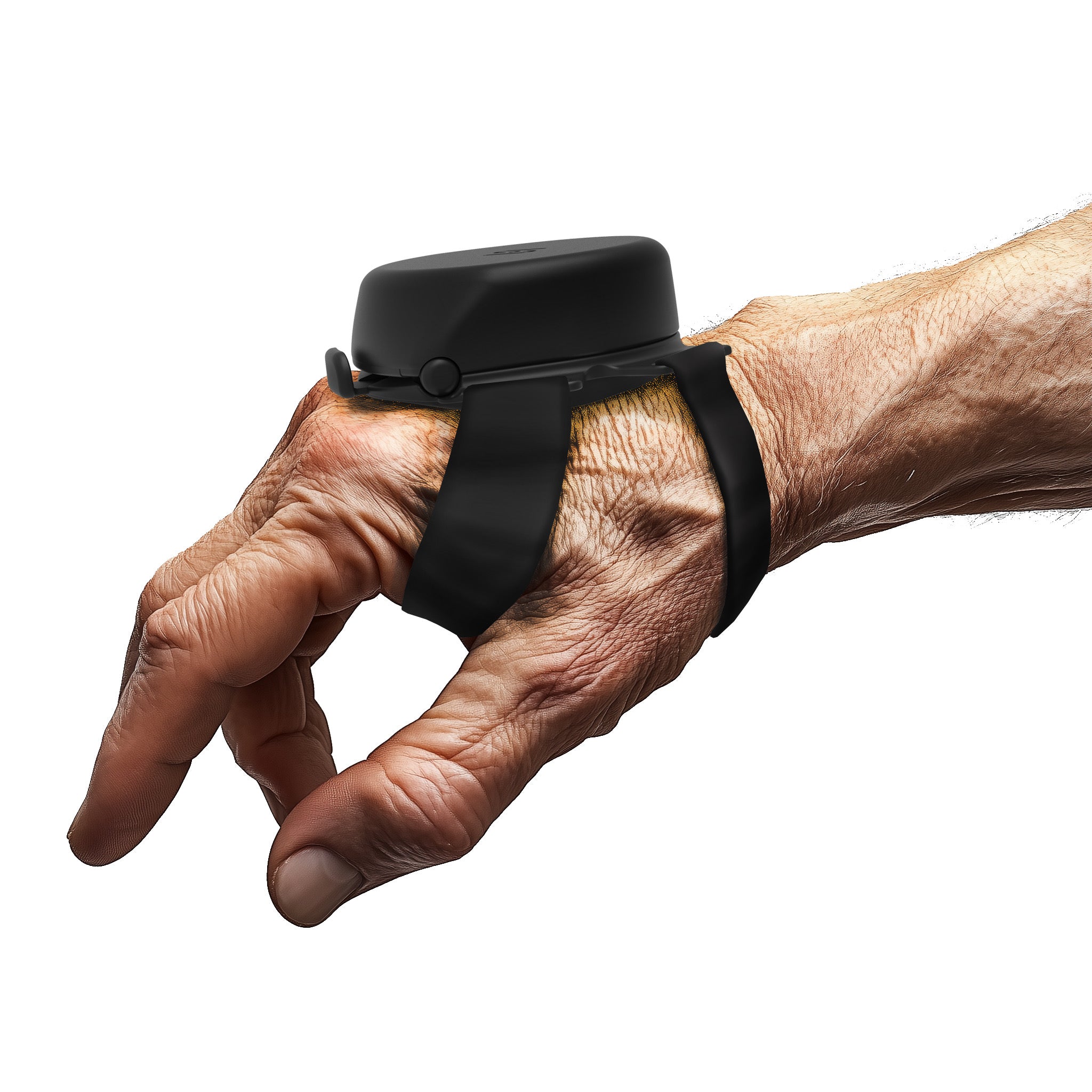
Some people look for tools that address the visible shake itself, as well as emotional coping strategies. Steadiwear makes the Steadi-3, an FDA-registered Class I medical device that uses passive magnetic stabilization and is battery-free, so it feels like a natural extension of the hand. In clinical trials, 85 percent of users reported a significant reduction in tremor. It is one of several options for supporting daily control and independence. Always discuss device or treatment options with a healthcare provider before deciding what fits you.
Conclusion
Hiding Essential Tremor symptoms is a common coping strategy, but a costly one that quietly narrows daily life and deepens shame. Understanding why concealment happens, from fear of judgment to poorly understood public perception, is the first step toward managing it differently. Support ranges from open conversations with trusted people to practical management tools, each chosen with the guidance of a healthcare provider. You do not have to hide your hands to live fully. Managing beats hiding, every time.