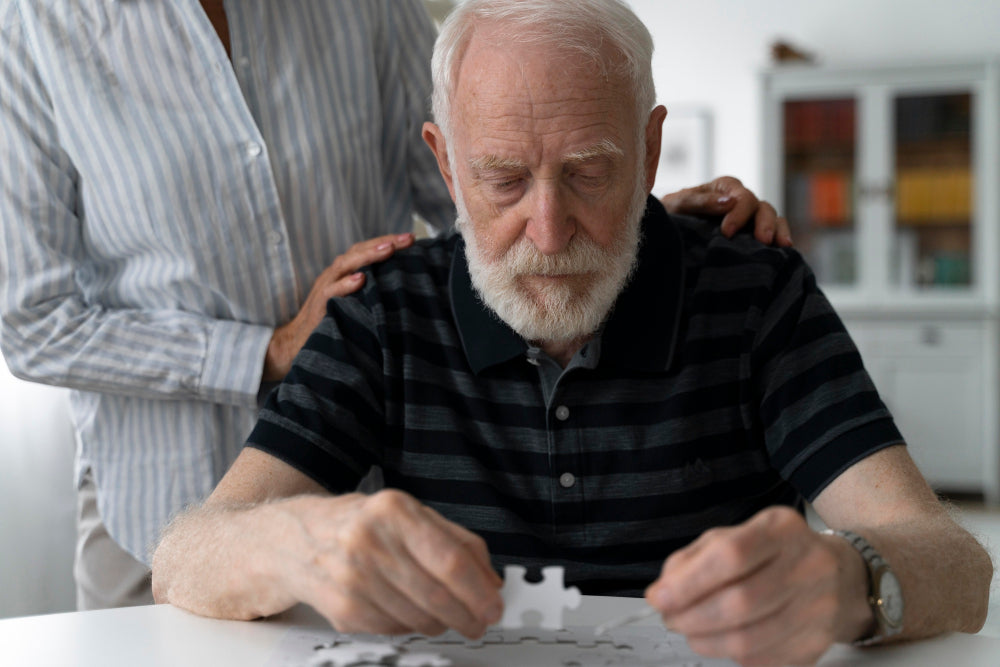
While Parkinson's is a progressive condition, some habits and triggers can make symptoms feel worse. Physical inactivity is one of the biggest: a sedentary routine leads to muscle weakness, poorer balance, and more stiffness. Chronic stress can heighten tremor and muscle tension, and poor sleep, dehydration, and irregular medication timing all disrupt how well the body regulates movement. Diet plays a part too — large high-protein meals taken close to medication can interfere with how levodopa is absorbed. Recognising and easing these factors, alongside good self-care, helps many people manage symptoms more steadily.
Regular movement is one of the most useful things people with Parkinson's can do. A Cochrane systematic review found that physical exercise can improve motor symptoms and quality of life, though the type and intensity are best matched to the individual (Ernst et al., Cochrane Database of Systematic Reviews, 2023). In practice that means:
- Aerobic exercise — walking, cycling, or swimming for cardiovascular health and mobility.
- Strength training — to support muscle tone and posture.
- Balance work — tai chi or yoga, which are especially helpful for reducing fall risk and improving body awareness.
- Stretching — to counteract stiffness and rigidity.
The key is consistency and tailoring activities to your abilities. A physiotherapist or movement specialist can help you build a routine that's safe and effective — a far better starting point than going it alone.
Self-care is a practical, everyday complement to medication. A structured daily schedule — set times for meals, rest, medication, and exercise — supports better sleep and reduces the anxiety that unpredictability brings. Hydration matters, as dehydration can worsen fatigue, dizziness, and cognitive fog. Because emotional stress can heighten symptoms, stress management — breathing exercises, meditation, journalling, or time outdoors — is worth building in. Staying socially engaged, keeping regular checkups, and gentle cognitive activity round out a routine that helps people live well with Parkinson's and keep a sense of independence.
Exercise and diet address the whole picture; for the hand tremor specifically, a wearable can help with the tasks that shaky hands make harder. The Steadi-3 Plus is an FDA-registered Class I medical device that steadies the hand with a passive magnetic vibration absorber (tuned mass damping), with no electronics or batteries. The device has trial support: in a placebo-controlled study, 84% of people steadied their hand better with the glove than without it, and 70% did better than with a placebo version (Steadiwear, Steadi-3 Plus validation study). It doesn't slow Parkinson's, treat it, or replace exercise, diet, or medication — it simply steadies the hand for tasks like eating and writing, as one part of a wider routine.
Used alongside physiotherapy and a balanced diet, a hand-tremor glove can make daily tasks easier while you focus on the habits that support overall wellness.
A balanced, nutrient-dense diet supports brain health, digestion, and energy, and can help with non-motor symptoms like constipation. Foods worth including:
- Leafy greens (spinach, kale, chard) — rich in antioxidants that help counter oxidative stress.
- Berries, citrus, and apples — vitamin C, fibre, and antioxidants for immune and brain health.
- Whole grains (oats, brown rice, quinoa) — fibre that supports digestion and eases constipation.
- Legumes and lentils — plant-based protein, fibre, and vitamins.
- Omega-3 fats (walnuts, flaxseed, oily fish) — may help reduce inflammation.
- Low-fat or fortified dairy alternatives — calcium and vitamin D for bone health and mobility.
Spacing protein away from medication times can help, since high-protein meals can interfere with levodopa absorption — a dietitian can help plan this. Overall, a Mediterranean-style diet — fresh produce, healthy fats, whole grains, and lean protein — is widely recommended, and higher adherence to it has been associated with a lower risk of Parkinson's (Solch et al., Journal of the Neurological Sciences, 2022).
Some foods can worsen symptoms or interfere with treatment. It helps to limit:
- Large high-protein meals near medication time — protein can reduce levodopa absorption; space it out or plan timing with a dietitian.
- Saturated fats and fried foods — which add inflammation and cardiovascular strain.
- Highly processed foods — preservatives and additives with little nutritional value.
- Excess salt — which can raise blood pressure and worsen dehydration.
- Refined sugar — energy spikes and crashes that affect mood and focus.
- Alcohol and excess caffeine — which can disrupt sleep and increase dehydration.
There's no guaranteed way to prevent Parkinson's, and much of its cause isn't within anyone's control. That said, research links certain lifestyle patterns with lower risk. Higher adherence to a Mediterranean-style diet has been associated with reduced Parkinson's risk (Solch et al., Journal of the Neurological Sciences, 2022), and staying physically and socially active supports overall brain and body health. Sensible general measures — regular activity, a brain-healthy diet, limiting exposure to pesticides and toxins where you can, protecting sleep, and managing stress — are good for well-being whether or not they change risk. These are associations, not guarantees, so treat them as part of healthy living rather than a cure.