Living with hand tremors can affect many everyday activities—from eating and writing to using a phone or managing household tasks. For people with Essential Tremor and Parkinson’s Disease, finding the right combination of treatments is often a personal journey shaped by symptom severity, lifestyle needs, medical guidance, and risk tolerance.
Over the years, tremor management options have expanded beyond medications and surgery to include non-invasive assistive technologies such as tremor-reducing gloves. This article offers a balanced, educational comparison of tremor gloves and other commonly used treatment approaches. The goal is not to promote a single solution, but to help patients, caregivers, and healthcare providers understand how each option works, what it offers, and where it may fit within an overall tremor management plan.
Understanding Hand Tremors: A Brief Overview
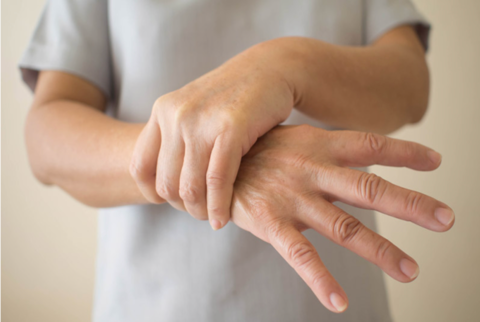
Hand tremors are involuntary, rhythmic muscle movements that can occur during rest or action. The two most common neurological conditions associated with persistent hand tremors are Essential Tremor and Parkinson’s Disease, though tremors may also arise from other causes, such as medication side effects or metabolic conditions.
Essential Tremor typically presents as an action tremor, meaning it becomes more noticeable when the hands are in use—such as when holding utensils, writing, or pouring liquids. Parkinson’s Disease more commonly causes a resting tremor, though many individuals also experience action tremors as the condition progresses.
Tremor severity can vary widely from person to person and may fluctuate over time. Some individuals experience mild tremors that are manageable with minimal intervention, while others face significant challenges performing daily tasks. Because tremors are highly individualized, there is no single approach that works for everyone.
Management strategies generally fall into several categories: medications, surgical or procedural interventions, lifestyle adaptations, and assistive devices. Each approach addresses tremors differently, and many individuals use a combination of treatments to meet their needs.
Medications: A Common First-Line Treatment
Medications are often the first treatment option discussed after a tremor diagnosis. For Essential Tremor, commonly prescribed medications include beta blockers such as propranolol and anticonvulsants such as primidone. For Parkinson’s Disease, medications like levodopa and dopamine agonists are used to address a broader range of motor symptoms, including tremor.
Benefits of Medication
Medication can be effective for some individuals, particularly in the early stages of tremor progression. When successful, medications may reduce tremor amplitude and make daily tasks more manageable. They are widely available and supported by long-standing clinical use.
Limitations and Considerations
Not everyone responds well to medication. Some individuals experience limited tremor reduction, while others may discontinue use due to side effects such as fatigue, dizziness, nausea, or changes in blood pressure. Over time, medications may also lose effectiveness or require dosage adjustments.
Additionally, medications act systemically, meaning they affect the entire body rather than targeting the tremor directly in the hand. This can be a drawback for individuals seeking localized support for specific tasks.
Surgical and Procedural Interventions
For individuals with severe tremors that do not respond adequately to medication, surgical or procedural options may be considered. These include Deep Brain Stimulation (DBS) and focused ultrasound thalamotomy.
Deep Brain Stimulation (DBS)
DBS involves implanting electrodes into specific areas of the brain and connecting them to a pulse generator placed in the chest. Electrical stimulation helps regulate abnormal brain activity associated with tremors.
Advantages:
-
Can significantly reduce tremors in carefully selected patients
-
Adjustable stimulation settings
-
Long history of clinical use
Considerations:
-
Invasive surgical procedure
-
Requires ongoing follow-up and device management
-
Carries surgical risks such as infection or bleeding
Focused Ultrasound
Focused ultrasound is a non-invasive procedure that uses targeted ultrasound waves to create a lesion in a tremor-related brain region.
Advantages:
-
No incisions
-
Immediate tremor reduction in many cases
Considerations:
-
Irreversible
-
Typically treats only one side of the body
-
Not suitable for all patients
Surgical and procedural treatments may be appropriate for some individuals, but they are generally reserved for cases where other options have not provided sufficient benefit.
Lifestyle Adaptations and Occupational Therapy
Lifestyle adaptations and occupational therapy play an important role in tremor management, particularly when combined with medical treatments.
Occupational therapists work with individuals to identify strategies and tools that make daily activities more manageable. This may include:
-
Modifying techniques for eating or writing
-
Using weighted utensils or adaptive tools
-
Adjusting home and work environments
These approaches focus on task adaptation rather than tremor reduction itself. While they may not reduce the tremor, they can help individuals perform activities more comfortably and safely.
Lifestyle adaptations are generally low risk, but they may require time, practice, and ongoing adjustment as tremors change.
Assistive Devices: An Emerging Category
Assistive devices are designed to support functional independence by addressing the mechanical effects of tremors during specific tasks. This category includes weighted utensils, stabilizing pens, and, more recently, tremor-reducing gloves.
Unlike medications or surgery, assistive devices are external and non-invasive. They do not alter brain chemistry or require recovery time, making them appealing to individuals seeking practical, low-risk solutions.
However, not all assistive devices are equally effective for all tremor types. Some rely on added weight, which may increase fatigue, while others are limited to a single activity.
Tremor Gloves: How They Work and What Sets Them Apart
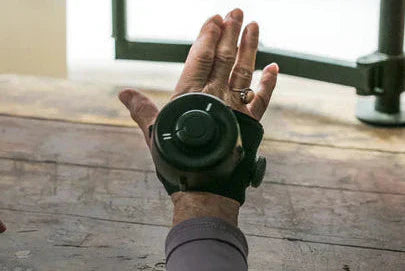
Tremor gloves represent a newer approach to tremor management. Rather than adding weight or restricting movement, advanced tremor gloves use mechanical principles to counteract tremor motion.
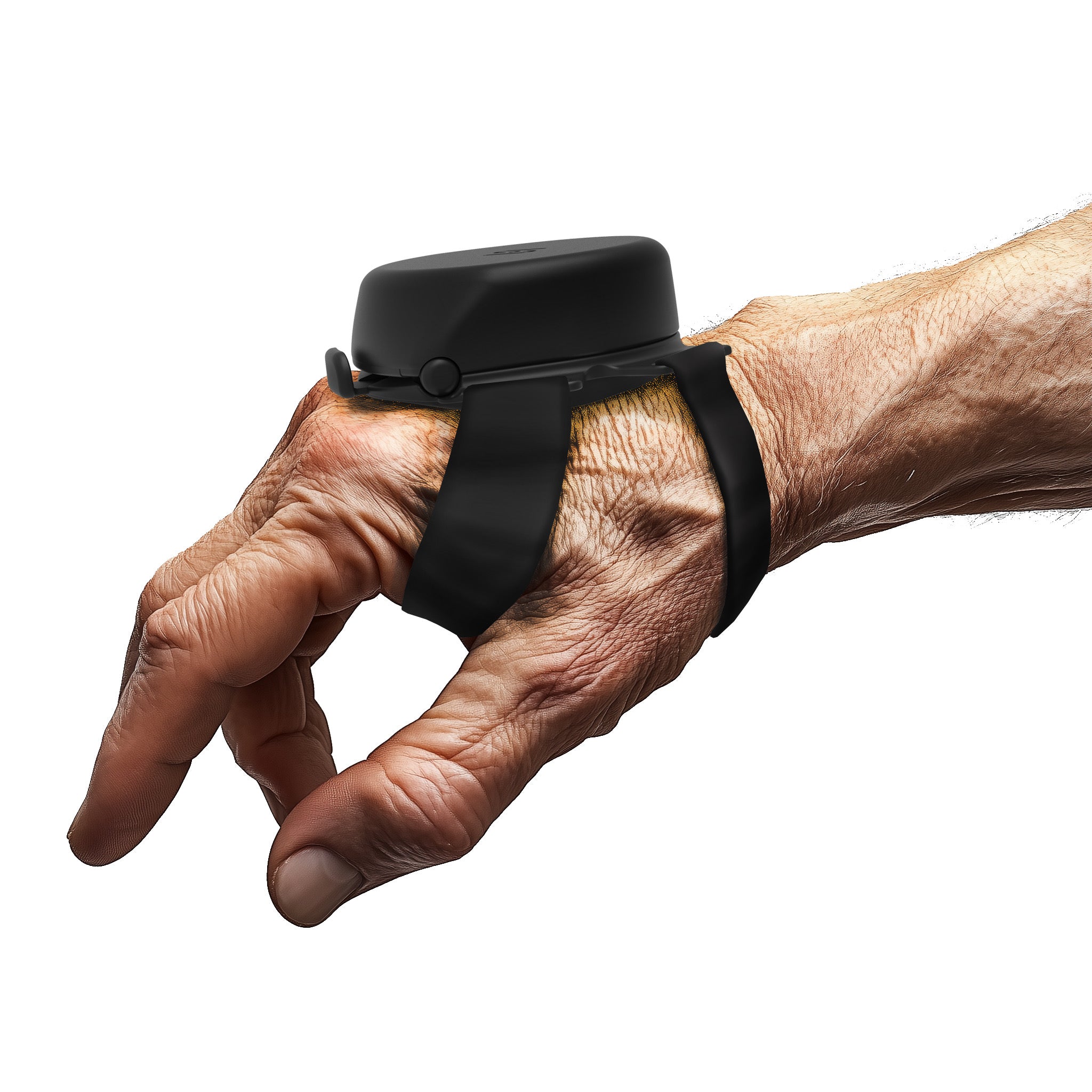
For example, some gloves incorporate vibration-dampening or magnetic vibration absorber technology designed to automatically respond to tremor frequency. These systems work passively, without batteries or electronics, and aim to reduce tremor amplitude during everyday tasks.
Potential Benefits of Tremor Gloves
-
Non-invasive: No surgery, injections, or medications required
-
Localized support: Designed specifically for the hand experiencing tremor
-
Task-friendly: Allows natural hand movement for activities like eating, writing, and using tools
-
Low maintenance: Battery-free designs reduce ongoing upkeep
Considerations
Tremor gloves are not intended to replace medical care or address the underlying neurological condition. Their role is functional support—helping users perform daily tasks more easily.
Effectiveness can vary depending on tremor type, severity, and individual movement patterns. As with any assistive device, proper fit and consistent use are important factors.
Quality-of-life Impact & Specific Daily-task Improvements with Tremor Gloves
Beyond clinical comparisons, one of the most meaningful ways to evaluate tremor gloves is through their impact on daily life and task performance. For many individuals with Essential Tremor or Parkinson’s Disease, the greatest challenges are not abstract symptom scores, but the ability to carry out routine activities with greater ease and consistency. In this context, tremor gloves serve as a form of non-medication tremor management focused on practical, moment-to-moment support.
Writing and Fine Motor Tasks
Handwriting is often one of the first activities affected by tremor. Even when medications reduce overall tremor severity, fine motor control needed for writing may remain inconsistent. Tremor gloves can help stabilize hand motion during writing, allowing users to produce clearer, more legible text without the pronounced shaking that makes handwriting difficult. For individuals searching for hand tremor writing solutions, this localized mechanical support can address gaps that medications do not fully resolve, especially during prolonged or task-specific writing.
Eating and Drinking
Eating and drinking in public or at home can become stressful when tremors lead to spills or difficulty handling utensils. By reducing tremor amplitude during movement, tremor gloves can support steadier utensil use and cup handling. This can result in less spillage, fewer interruptions, and a more comfortable dining experience, making tremor gloves a practical option among Essential Tremor eating solutions. The impact extends beyond mechanics, helping individuals participate more easily in shared meals and social routines.
Professional and Social Settings
Medications often require planning, as the onset of effect may take 30 minutes or longer and can vary day to day. Tremor gloves, by contrast, provide immediate stabilization when worn, making them useful for time-sensitive situations such as meetings, presentations, or social events. For those seeking a tremor device for work, the ability to put on the glove only when needed offers flexibility that systemic treatments may not provide.
Occupational Continuity and Precision Work
For professionals who rely on precise hand control—such as surgeons, photographers, technicians, artists, or craftspeople—tremor progression can threaten occupational continuity. Tremor gloves may help some individuals return to or maintain precision-based tasks by supporting controlled hand movement during specific activities. While not a replacement for medical treatment, this targeted assistance can play a role in extending functional engagement in skilled work.
Psychological and Lifestyle Considerations
Managing a chronic condition often involves ongoing medication schedules, dose adjustments, and monitoring side effects. For some individuals, incorporating a wearable assistive device offers a sense of autonomy by reducing reliance on additional daily medications for task-specific challenges. Using a tremor glove as needed can help address medication fatigue while supporting independence in activities of daily living.
Comparison to Other Treatment Approaches
Compared to surgical options, which involve recovery time and permanent anatomical changes, tremor gloves offer a remove-and-go alternative. They can be worn for a task, removed afterward, and adjusted as needs change—without long-term commitment or recovery. This reversibility and low-risk profile make tremor gloves a practical complement to other treatments, particularly for individuals prioritizing flexibility in daily life.
Overall, tremor gloves contribute to quality of life by focusing on what people need to do each day—writing, eating, working, and participating in routine activities. As part of a broader tremor management strategy, they offer a task-oriented approach to supporting independence without adding medical burden.
Comparing Treatment Options Side by Side
When comparing tremor gloves to other treatments, it is helpful to consider several key factors:
Invasiveness
-
Medications: Non-invasive but systemic
-
Surgery/Procedures: Invasive or irreversible
-
Tremor Gloves: Fully non-invasive
Risk Profile
-
Medications: Potential side effects and interactions
-
Surgery: Surgical and long-term risks
-
Tremor Gloves: Minimal physical risk
Scope of Effect
-
Medications/Surgery: Can reduce tremor broadly
-
Tremor Gloves: Focused on hand function during tasks
Flexibility
-
Medications: Fixed dosing schedules
-
Surgery: Long-term commitment
-
Tremor Gloves: Can be worn as needed
Rather than viewing these options as mutually exclusive, many individuals and healthcare providers see value in combining approaches. A tremor glove may be used alongside medication or therapy to support specific daily activities.
Steadi-3’s Role in Tremor Management
Steadi-3 is designed to provide functional support within a broader tremor management plan. It does not address the underlying neurological causes of Essential Tremor or Parkinson’s Disease, nor is it intended to replace medical care. Instead, its role is to help reduce the physical impact of hand tremors during everyday activities.
Steadi-3 works locally at the hand, using magnetic vibration absorber technology to passively counteract tremor motion. As tremors occur, the internal stabilizer automatically responds to the tremor’s frequency, helping to reduce tremor amplitude while allowing natural hand movement. The device is entirely mechanical—battery-free, non-invasive, and designed for ease of use.
Because it is wearable and low maintenance, Steadi-3 can be used as needed for tasks such as eating, writing, or food preparation. This flexibility makes it well-suited for individuals who experience task-specific challenges or who prefer a non-invasive option with minimal risk.
In practice, Steadi-3 is often used alongside other approaches, such as medication or occupational therapy, to support daily function. For patients, caregivers, and healthcare providers, it represents an assistive technology option focused on safety, simplicity, and maintaining independence in everyday life.
Choosing the Right Approach: A Personalized Decision
There is no universal solution for managing hand tremors. The most appropriate approach depends on many factors, including diagnosis, tremor severity, overall health, lifestyle, and personal preferences.
Healthcare providers play a critical role in helping patients understand their options and set realistic expectations. For some, medication may offer sufficient tremor reduction. For others, assistive devices like tremor gloves may provide meaningful support without adding medical risk.
What matters most is finding solutions that align with an individual’s needs and goals. As tremor management technologies continue to evolve, patients and caregivers have more tools than ever to support daily independence and quality of life.
If you are considering new approaches to tremor management, consult a qualified healthcare professional to discuss what options may be appropriate for you.