Apathy vs. depression in Parkinson's Disease
Many people confuse apathy vs depression in Parkinson's Disease because, from the outside, both can look like a person withdrawing from life. They are distinct conditions, and telling them apart matters for how each is addressed. This article covers plain definitions of both, where they overlap, and when to bring what you notice to a care team.
What apathy looks like in Parkinson's Disease
Apathy shows up as reduced initiative and lower motivation to start or finish activities that once felt meaningful. Instead of sadness, the mood tends to be flat, marked by indifference rather than distress. A person may not feel down at all, simply uninterested in getting going. The Michael J. Fox Foundation reports apathy in a wide range, often cited between roughly 20 and 40 percent of people with Parkinson's Disease, and it can occur with or without depression.
What depression looks like in Parkinson's Disease
Depression tends to bring persistent sadness, guilt, or hopelessness, along with a loss of pleasure in things a person usually enjoys. It often comes with changes in sleep, appetite, or energy that last most of the day. This differs from apathy's emotional flatness because real negative feeling is present. Depression is increasingly recognized as a common symptom of Parkinson's Disease itself, tied to the condition's biology, not simply a reaction to receiving a diagnosis.
The key difference between apathy and depression: flat mood versus sadness and guilt
The clearest distinguishing signal is the presence or absence of negative emotion, not just how active someone is. The difference between apathy and depression in Parkinson's Disease comes down to feeling: a person with apathy may feel neutral or content once an activity is underway, though the drive to begin it was missing. Someone with depression often continues to feel sadness, guilt, or hopelessness regardless of what they are doing. Watching for flat mood versus genuine negative feeling helps separate the two.
Why apathy and depression can occur together
Apathy and depression are separate syndromes, yet they share overlapping symptoms and can occur at the same time. Research shows they can exist independently or together, which is why co-occurrence causes most confusion. One person may have apathy alone, another depression alone, and another both at once. Because the overlap can blur the picture, a care team is best positioned to sort out which symptoms are present and to what degree.
Common misunderstandings: masked expression, laziness, and "not caring"

Parkinson's Disease can cause reduced facial expression, sometimes called facial masking, where the face moves less than usual. This documented change can be misinterpreted as sadness or anger even when a person feels neither. Families may read a still face as a mood that is not there. Apathy is also not the same as laziness or not caring. It is a recognized symptom driven by the condition, not a reflection of character or effort.
The brain chemistry behind both symptoms
The same brain chemistry involved in Parkinson's Disease movement symptoms can also affect motivation and mood. Changes in dopamine and related neurotransmitter systems influence more than physical control. When those systems shift, drive and emotional balance can shift too. That is why both apathy and depression are understood as non-motor symptoms of the condition, part of its biology, rather than personal failings. Seeing them this way reframes the conversation around medical support instead of blame.
Why getting the distinction right matters for treatment
Getting the distinction right matters because the approaches differ. Behavioural strategies and routine-building often support apathy, while therapy and medication are commonly discussed for depression. A care team can help determine whether symptoms reflect apathy, depression, or both, and may suggest a medication review. This distinction shapes the conversation about next steps. Anyone noticing these changes should consult a healthcare provider, who can weigh the full picture and recommend an appropriate treatment approach.
How apathy and depression affect caregivers and family
Apathy in particular can be difficult for caregivers and family, because reduced initiative is easily misread as disinterest in the relationship. A partner may feel hurt or frustrated, sensing withdrawal where none is intended. Understanding apathy as a symptom of Parkinson's Disease, not a choice, can ease that tension at home. When loved ones recognize the misunderstanding for what it is, they can respond with patience rather than taking the flat response personally.
Questions to ask yourself before your next appointment
A short self-reflection can make your next care team conversation more useful. Consider noting when your low motivation or low mood first started, building a simple symptom timeline. Ask whether interest returns once an activity begins, since that points toward apathy. Notice whether sadness, guilt, or hopelessness is present, which leans toward depression. Track any changes in sleep or appetite as well. This kind of mood tracking gives a healthcare provider a clearer picture to work from.
How this distinction fits into a broader Parkinson's Disease care plan
Mood-related symptoms are increasingly recognized as core parts of Parkinson's Disease management, sitting alongside motor symptoms rather than behind them. A complete care plan considers both non-motor symptoms, such as apathy and depression, and motor symptoms, such as tremor and stiffness. Addressing each supports quality of life more fully than treating movement alone. Working with a care team that looks at the whole person helps ensure mood and motivation get the same attention as physical function.
Managing the physical side while mood symptoms are addressed by your care team

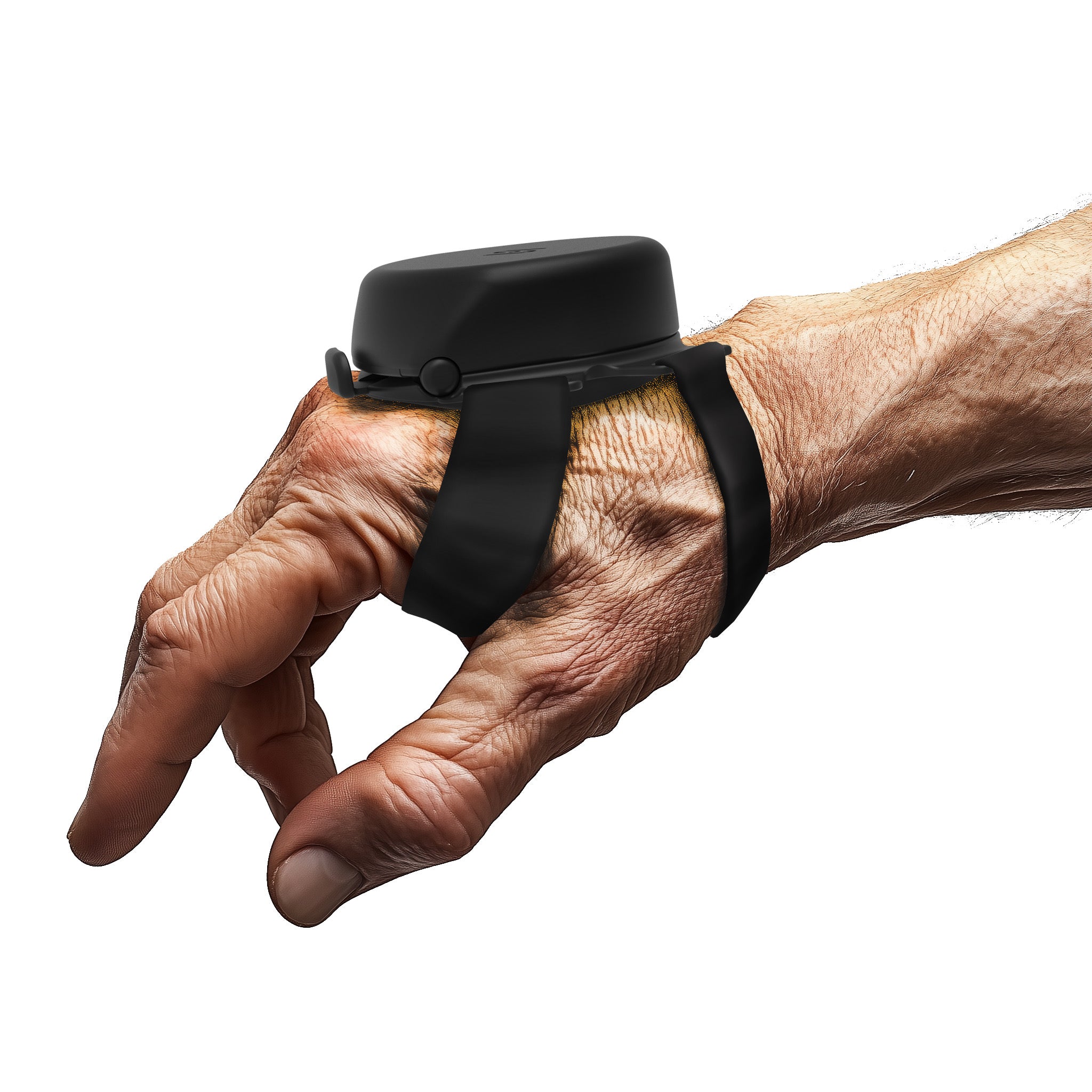
Parkinson's Disease involves both motor symptoms, such as hand tremor, and non-motor symptoms, such as mood changes, and each is best addressed with the right kind of support. The Steadi-3 tremor glove is an FDA-registered Class I medical device that uses passive magnetic stabilization to help reduce hand tremor, one motor symptom that can add to daily frustration. It is battery-free, needs no charging, and requires no prescription. There is no cure for Parkinson's Disease, so a full care team is recommended. Discuss mood changes with a healthcare provider or mental health professional.
Conclusion
Recognizing apathy vs depression in Parkinson's Disease starts with noticing one thing: whether the mood is flat and indifferent, or genuinely sad and weighed down by guilt or hopelessness. That single observation points toward apathy, depression, or both. Because the two overlap and can occur together, a healthcare provider or mental health professional is the right partner for sorting out what is happening and deciding what to do next. Bring what you notice, and let the care team guide the path.